Painting a Scene in the Reader's Mind
A common problem I come across when editing is something like the example below. As you read, try to imagine the scene, paying attention to how it changes in your mind:
"I really thought it would be harder than this," Donny said.
"Well, sure!" Amanda took a sip of her coffee. "People like you."
"You said that before, but I didn't believe it." Donny picked up the mug after the server refilled it. He passed it back to Frieda—she had passed it to him because the server was too far away.
Frieda reached down to grab her mug. "I don't know. People are still staring."
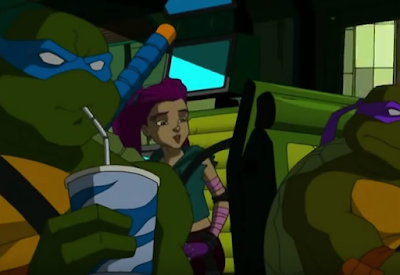
"What do you expect," Leo said, wiping the spill with his napkin. "We're giant talking turtles."
What's happening here? New characters appear without warning alongside new details about their environment. The reader has to jump back and forth, rereading parts in order to accurately imagine what's happening in the scene. It's draining for the reader, annoying even (and I'm sorry to have inflicted you with it to make a point).
When you're writing a scene, you're painting an image in the reader's mind. How and when you paint in the details matters. In a first draft, you're likely to make up details as you think of them, and that's fine, but when you go back to revise, you need the scene to read as though you had all those details worked out ahead of time.
Here are some tips to do that:
Ground the reader in the sceneWatch for confusing usage of the definite articleDescribe actions in chronological orderGround the Reader in the Scene
I talk about this in more detail here, but the simplest form of the idea is this: Set the scene before anything happens within that scene.
That's an oversimplification of course. I'm sure it might get old to spend a paragraph or two describing every single scene every time it changes. But in general, it's best to err on the side of clarity. A confused reader is going to stop reading.
To fix our example above, we might add this paragraph at the top of the scene:
Donny and Leo met their friends at Joe's Cafe—during the day, in public. Amanda sat at one of the outdoor tables wearing a light summer dress. The weather had turned cold already, but it didn't seem to bother her. She loved the chill in the air and the smell of crisp, fallen leaves. Frieda was up on a ladder, coffee in-hand, as she helped old Joe out by hanging a new sign above the door.
Customers and passersby kept glancing their way, but it wasn't as bad as any of them had expected. A few folks even smiled and waved.
This, by itself, solves nearly all of our problems. It sets the scene, describing who is there, where they are, and what they're doing as well as providing a few visuals and other sensory images to really place the reader in the moment. Now, when the action happens, the reader almost never has to revise their mental image of the scene. They just live in the story and enjoy it.
But we haven't fixed everything....
Confusing Usage of "The"
This seems like such a simple thing. Didn't we learn this in elementary school? But I still see it all the time—not because writers didn't learn grammar, but because it's hard to remember what you did and did not put on the page yet. There's always more in the author's head than what gets written down.
In the example above, we have the phrase "wiping the spill with his napkin." But what spill? When did it happen? It's confusing and possibly frustrating for the reader, making them feel like they missed something.
Fortunately, it's an easy fix. You can either change "the" to "a" or, if that still isn't clear, just describe the thing that's happening before referring to it with the definite article:
Frieda reached down to grab her coffee, spilling a bit in the process.
Describe Events in Chronological Order
This is a smaller problem but equally important to catch. When two events occur, describe them in the order that they happen, and when one event causes another, describe the cause before the effect. For example:
CAUSE: Frieda is too far away from the server.EFFECT: She passes her mug to Donny to get it filled.
CAUSE: The server refilled Frieda's mug.EFFECT: Donny picked it up and passed it back.
Keep these events in order, and your readers will thank you:
A server arrived. Frieda was too far away, so she passed her mug down to Donny.
Donny held the mug out toward the server until it was refilled.
Putting It All Together
Now, read and imagine the scene below, comparing how you felt the first time with now:
Donny and Leo met their friends at Joe's Cafe—during the day, in public. Amanda sat at one of the outdoor tables wearing a light summer dress. The weather had turned cold already, but it didn't seem to bother her. She loved the chill in the air and the smell of crisp, fallen leaves. Frieda was up on a ladder, coffee in-hand, as she helped old Joe out by hanging a new sign above the door.
Customers and passersby kept glancing their way, but it wasn't as bad as any of them had expected. A few folks even smiled and waved.
"I really thought it would be harder than this," Donny said.
"Well, sure!" Amanda took a sip of her coffee. "People like you."
A server arrived. Frieda was too far away, so she passed her mug down to Donny.
Donny held the mug out toward the server until it was refilled. "You said that before, but I didn't believe it.""I don't know." Frieda reached down to grab her coffee and spilled a bit in the process. "People are still staring."
"What do you expect," Leo said, wiping the spill with his napkin. "We're giant talking turtles."
Of course, there are still things missing. We haven't shown a lot about how Donny and Leo feel during this whole conversation, and that's equally critical. We'll talk about that more in a later post, but for now, this is a passable scene that paints a logical picture and doesn't force the reader to revise the image in their head.
(Well, not any more than is necessary at least. They are giant talking turtles, after all.)