The German Nachzehrer: Vampire of the Plague
The German Nachzehrer is a legendary vampire linked to plague times, believed to rise from improper burials and drain the life force of the living. Its origins stem from fears of death, disease, and supernatural retribution, often connected to blood-drinking rituals meant to control or prevent its wrath. To protect yourself, customs like holy symbols or garlic were used to ward off the creature. If you want to uncover more about its legends and cultural significance, keep exploring these fascinating stories.
Key TakeawaysThe Nachzehrer is a German vampire linked to plague times, believed to rise from improper burials to drain the living’s life force.Originating from German folklore, it symbolized societal fears of death, disease, and supernatural retribution during plagues.It feeds on blood or life essence, with rituals like pinning coins or placing tools to prevent its rise.Protective customs involved garlic, holy symbols, and proper burial rites to ward off the Nachzehrer.Folklore served to explain and control fears of death, emphasizing the importance of proper death rituals during plague outbreaks.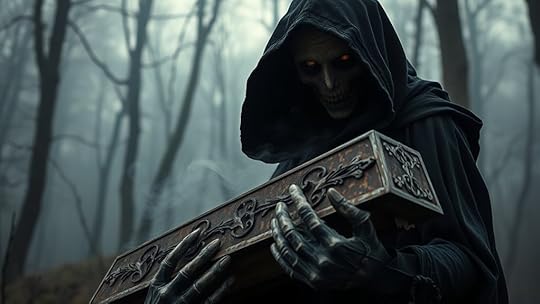
The German Nachzehrer vampire is a sinister revenant from folklore, believed to rise from the dead to drain the life force of the living. This creature’s origins are deeply rooted in German folklore, especially during times of plague and disease. People believed that improper burial customs or sudden deaths could awaken the Nachzehrer, turning the dead into malevolent spirits. These legends often served as warnings to verify proper burial rites, as neglect or superstition was thought to bring about the creature’s wrath. The folklore origins of the Nachzehrer tie closely to fears surrounding death, disease, and the disruption of the natural order. Its reputation grew as a symbol of plague and pestilence, embodying societal anxieties about death and the unknown.
In these stories, the Nachzehrer is often associated with blood drinking rituals that supposedly help it sustain its undead existence. According to legend, the creature feeds on the blood or life essence of the living, especially those nearby or related to its burial site. These blood drinking rituals sometimes involved symbolic acts or superstitions meant to prevent the vampire from rising or to stop its hunger. For example, villagers might pin a coin over the corpse’s eyes or place a scythe across the chest to keep the spirit at bay. Folklore suggested that the Nachzehrer’s power was amplified by improper burials, which could include the deceased’s body swelling or showing signs of unnatural activity. Such signs were interpreted as evidence of the creature’s awakening and its craving for blood.
The belief in blood drinking rituals as a way to combat or prevent the Nachzehrer’s curse reflects the importance of superstition in folklore. People thought that the creature’s hunger could be sated or its resurrection halted through specific practices. For instance, some communities believed that placing garlic or holy symbols around the grave could ward off the vampire, or that rituals involving blood could appease or control it. These customs reinforced the idea that the Nachzehrer’s existence was tied to the improper handling of the dead and that certain rites could protect the living from its wrath. Overall, the folklore origins of the Nachzehrer reveal a culture deeply concerned with death, contamination, and the supernatural, using these stories to explain and control fears of disease and mortality.
Frequently Asked QuestionsHow Did the Nachzehrer Originate Historically?You discover that the Nachzehrer originated from medieval folklore, rooted in fears of death and disease. People believed these spirits were linked to plague rituals, which involved practices to ward off or appease the dead. The Nachzehrer was thought to rise from the grave, feeding on the living and causing illness. Its origins reflect the era’s struggle to understand and control death, combining superstition with efforts to prevent plague spread.
Are There Modern Sightings or Reports of Nachzehrer?There are no credible modern sightings or recent reports of the nachzehrer. While stories and legends persist in folklore, no verified evidence supports their existence today. You might hear local tales or urban legends, but these are just modern myths rather than actual sightings. If you’re interested in supernatural phenomena, focus on documented cases or cultural stories rather than unsubstantiated reports.
What Specific Rituals Were Performed to Ward off a Nachzehrer?You’d perform powerful exorcism rituals, chanting sacred words to banish the Nachzehrer’s malevolent spirit. People also used protective charms—silver crosses, garlic, and holy water—to ward off its deadly grasp. Sometimes, they even buried the corpse facedown or removed the head to prevent a resurrection. These rituals created a barrier of spiritual strength, making it nearly impossible for the Nachzehrer to rise and haunt the living.
How Does the Nachzehrer Compare to Other European Vampires?You’ll find that the Nachzehrer differs from other European vampires through regional folk beliefs, often linked to plague fears. Unlike the blood-drinking Dracula, the Nachzehrer is associated with death and decay, sometimes rising from graves to feed on the living or consume its own body. Regional variations emphasize rituals like decapitation or specific burial practices to prevent its return, highlighting local fears and traditions surrounding death and disease.
What Symbols or Artifacts Are Associated With the Nachzehrer?Think of the Nachzehrer as a dark mirror reflecting fears of death and disease. You’ll find medieval talismans and symbolic amulets, like crosses or herbs, associated with it. These artifacts serve as protective charms, warding off the vampire’s curse. You might also see burial tokens or specific charms placed with the body, believed to keep the Nachzehrer from rising and spreading its plague-like curse through symbolic protection.
ConclusionSo, next time you hear about the Nachzehrer, remember it’s more than just a vampire—it’s a haunting reminder of fear, death, and the unknown lurking behind every shadow. Could it be that these legends serve as warnings from the past, whispering truths we’re still afraid to face? Like a ghostly echo in the night, the Nachzehrer invites you to ponder what lies beneath the surface—waiting, watching, forever entwined with our deepest fears.