The Chupacabra’s Evolution: From Puerto Rico to Texas
The chupacabra started as a Puerto Rican legend in the 1990s, with reports of a blood-draining creature with spines and glowing eyes. As stories spread, descriptions shifted, especially when crossing into Texas and North America, adopting reptilian or alien features. Its myth grew through media and folklore, blending local fears with pop culture. If you want to explore how this mysterious creature transformed across regions and cultures, there’s more to uncover ahead.
Key TakeawaysThe chupacabra first appeared in Puerto Rico in the 1990s with livestock mutilation reports.Descriptions evolved from spiny, blood-draining creatures to reptilian or alien-like beings.Sightings spread from Puerto Rico to neighboring regions and then into Texas and North America.Cultural influences and media shaped regional variations of its appearance and story.Its myth persisted, blending folklore, urban legends, and regional fears across different areas.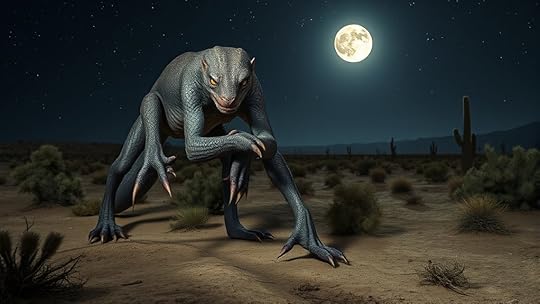
The legend of the chupacabra has evolved considerably since it first appeared in the 1990s, transforming from a mysterious creature feared by rural communities to a subject of scientific curiosity and pop culture fascination. When you hear about this mythical creature, it’s easy to imagine a terrifying beast lurking in the shadows, but its story is more complex and layered than many realize. Originally, reports of cryptid sightings described a creature with spines along its back, glowing eyes, and a penchant for draining the blood of livestock. These accounts spread quickly across Puerto Rico and neighboring regions, fueling fears and sparking countless stories of encounters. You might picture farmers discovering mutilated animals, often without blood, and attributing it to this elusive creature. Over time, these sightings took on a more fantastical quality, blending local folklore with urban legends, making the chupacabra a symbol of rural fears and mysteries.
As the creature’s legend grew, it became a staple in pop culture, appearing in movies, TV shows, and internet memes. Despite the fear, many skeptics and scientists questioned whether the creature was real or simply a myth. Some suggested that the cryptid sightings were misidentifications of known animals, like dogs or coyotes suffering from mange, which can give them a strange, spiky appearance. Others believed that the creature was a product of collective imagination, fueled by media sensationalism. Still, sightings persisted, and each new report added layers to the creature’s evolving myth. Whether you see it as a supernatural beast or a misunderstood animal, the chupacabra’s story reflects how folklore adapts to cultural anxieties and local landscapes. Interestingly, scientific analyses have indicated that many reported sightings can be explained by animal misidentification, further supporting the idea that the legend is rooted in perception and folklore.
When the legend crossed from Puerto Rico to Texas and other parts of North America, it changed further. In these new regions, sightings often involved different descriptions—more reptilian, alien-like, or hairless animals—indicating that the creature’s image was flexible and shaped by regional fears and media portrayals. The myth’s adaptability helped it endure, turning the chupacabra into a global phenomenon. What started as a local legend of cryptid sightings has morphed into a symbol of the unknown, a creature that embodies fear, curiosity, and the power of storytelling. Whether you believe in its existence or see it as a cultural myth, the chupacabra’s evolution shows how legends continue to grow and change, reflecting our collective imagination and the mysteries that still captivate us.
Frequently Asked QuestionsWhat Is the Scientific Explanation for the Chupacabra?The scientific explanation for the chupacabra involves genetic anomalies and parasite infestations. You might find that some creatures labeled as chupacabras are actually dogs or coyotes with severe mange, causing hair loss and skin issues. These anomalies, combined with parasite infestations, give them a strange appearance. Researchers believe that these factors, rather than supernatural causes, explain sightings, highlighting how disease and genetics can create terrifying-looking animals.
Are There Any Confirmed Chupacabra Sightings Outside the Americas?You might wonder if cryptid sightings like the chupacabra have appeared outside the Americas. Suspense lingers, but confirmed sightings remain elusive beyond its folklore origins in Puerto Rico and Texas. Despite occasional reports elsewhere, no verified evidence proves its existence outside its native regions. The mystery persists, fueling curiosity and speculation. Until concrete proof emerges, the chupacabra stays rooted in North and South American legends, leaving the world to wonder if it ever truly crossed borders.
How Has Media Influenced Chupacabra Stories Over Time?You see, media sensationalism has shaped cryptid folklore like the chupacabra by amplifying stories and spreading fear. Over time, sensational reports and movies have transformed it from local legend into a widespread phenomenon, influencing public perception. Your curiosity fuels this myth-making, as media coverage often blurs fact with fiction, making the chupacabra a symbol of mysterious creatures lurking in the shadows, even beyond the Americas.
What Animals Are Most Commonly Mistaken for the Chupacabra?Think of animals that resemble myth, and you’ll find the answer. Most commonly, people mistake wild dogs, coyotes with mange, or raccoons for chupacabras. These animal misidentifications stem from folklore influences and the creature’s elusive nature, fueling stories and fear. The combination of strange appearances and local legends makes it easy to see how such creatures get mistaken, turning ordinary animals into legendary monsters.
Are There Any Ongoing Research Efforts Studying the Chupacabra?You might be interested to know that cryptozoology research often investigates chupacabra sightings, though concrete evidence remains elusive. While most efforts focus on identifying potential animal misidentifications, some researchers explore cultural and ecological factors. Wildlife conservation groups sometimes get involved, aiming to understand local ecosystems better. Your curiosity supports ongoing investigations, helping to clarify whether the chupacabra is a real creature or a myth rooted in folklore.
ConclusionAs you follow the chupacabra’s journey from Puerto Rico to Texas, you see it transform like a river carving new paths through unfamiliar terrain. Its legend flows and shifts, adapting to every twist and turn, blending myth with reality. Just as a river shapes the land it touches, the chupacabra’s story evolves with each new sighting, becoming a part of local lore. Its mystery remains, an ever-changing shadow dancing across the landscape of our imagination.