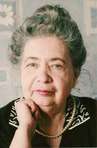
About my book
The first hour of war and our whole journey across the great country during the Great Patriotic war stuck into my memory so deeply, that I always wanted to find out why the Soviet Union was so helpless at the beginning of the war. I wrote the poem “Mother’s heart” back in 1980. In 2007 before the Victory day celebration on 9 May I shared it with our neighbour Michael. He was very impressed and showed it to all his friends, even promoted it at the library. He read very much, and his opinion and emotions were certainly sincere. He was the one, who blessed me to write the book. Unfortunately he didn’t live to see it published – on 8 January 2010 he died of cancer.
Since May 2007 I plunged into the ocean of information – the Internet. Here you can find everything – documents from the archive, statistics, biography references, recollections of witnesses, opinions, descriptions of events and people and so on. If we take into consideration, that history both at University and at school was taught to us one-sidedly, which meant that we were always right and fair, and “they” weren’t, you can understand the vigour, with which I was trying to find out the truth. Starting from the events before the revolution, during the First World War and the Civil war, I read all I could find about the Tsar generals Kornilov, Denikin, Kolchak, Yudenich, Vrangel and others. Many of them inspired me with genuine respect, and I tried to understand the motive of their actions. To understand the political and social atmosphere at that time I read about the rule of Nicolas II, Stolipin’s reforms and so on. Only then I gave a short outline of the pre-revolutionary events, the First World War and the Civil war.
We often see history repeated, and it’s very important to study and analyze history to help us avoid making the same mistakes. When I was studying the biographies of the fervent revolutionaries, I was surprised by the heroic service of F.E. Dzerzhinsky. We didn’t know anything about his administrative activity. Moreover, in my book-case in Almaty I had a book about Dzerzhinsky, but I didn’t even open it, because I didn’t expect to learn anything new about him, apart from the fact that he was the head of the Cheka. But if his economic policy was followed, the Soviet Union would have been quite different. Many of his suggestions on how to combine the planned and market economy are relevant to us now and can be applied to any country. Unfortunately now the tendency in Russia is opposite – to tarnish everything, which is connected with our revolutionary past. The project “Historical chronicles” on the Russian TV hosted by Nicolay Svanidze presented Dzerzhinsky as the cruel “iron” head of the Cheka and nothing else. Even the monuments to him in Moscow and other cities of the former USSR have been knocked down.
The description of Stalin’s repressions was one of the most challenging parts of the book for me to write. Not only the economy in the Soviet Union was planned, but also the repressions were planned for each region. The procedure of arrests, executions, tortures and forced labour was developed, systematised and implemented everywhere. I rewrote this chapter many times. Eventually I decided to show it through the lives of 3 very bright historically significant personalities – N.I. Vavilov, M.N. Tukhachevsky and K.K. Rokossovsky. Their stories are very interesting and touching. Dear book-lovers, I’m sure many of you are familiar with the books by V.Suvorov. I also read all 8 of his books and used a lot of the information from them in my book. But there are parts I disagree with. First of all it’s his portrayal of repressions – light-hearted and even approving. I also don’t think he did justice to M.N. Tukhachevsky, who is presented very superficially, with clear disdain. In fact he was a versatile, certainly talented personality, passionate about the military career, with huge ambitions. It’s important to understand why he joined Trotsky. If we put on the scales how much good and how much evil he did, I think the good will prevail. He didn’t really manage to do much harm to the Soviet Union, but the foundation of the Rocket Weapons Research Institute was undoubtedly very useful.
As the author I have to say, that my book is in parts quite a challenge to read. For the people not involved in the military sphere to read about the different kinds of planes, tanks, artillery and so on is brain-wrecking. I opened all the sources I could find, compared and analysed them. I understand how hard it is to digest such information, but without it, it’s impossible to understand and make conclusions: was the Great Patriotic war with its tens of millions of victims inevitability or the result of the government’s blunders. At that time Stalin’s word was crucial. A lot of books are written about him in different languages. The Russian writer A.A. Prohanov, a keen fan of Stalin, wrote: “The monument to Stalin is the monument to victory”. The facts, which I managed to gather, show that Stalin played a big role in contributing to the great length of the war and the fact that it claimed so many victims. To develop the military industry Stalin sacrificed the people of the Soviet Union. The collectivization plan was conceived to improve industry at the expense of agriculture. The grain was sent abroad to buy different samples of weapons, while millions of people around the country were starving. What was it done for? - Of course, to defend the only socialist country in the world. But how was the Soviet Union defended? We should put all the facts together because that’s the key to understanding Stalin’s role. 42000 military commanders were shot after the trial of Tuhachevsky. This purge consumed some of the “gold stock of the country” – talented inventors from the Rocket Research Institute. G. Langeman and I. Klemenko were shot, S. Korolev and V. Glushko were sent to forced labour camps. For this reason the mightiest rocket-launching weaponry at the time Katyusha which was almost ready in 1937 was supplied to the army only in the middle of the war. If the old defence line from the Baltic to the Black sea was equipped with powerful artillery weapons, the fascists would have quickly turned back. But this defence line was blown up in February 1941 under Stalin’s order. Stalin didn’t learn anything from the Finish war. How the little country Finland was preparing to repel the attacks of its mighty neighbour the Soviet Union and how the Mannerheim line helped them to give the Red Army a really tough time – these lessons were still fresh at that time, but they were very quickly forgotten. So, did Stalin provoke Hitler to wage war? The ruthless tyrant was sucking up to Hitler fulfilling every letter of the Molotov-Ribentrop treaty, supplying Germany with fuel and corn, forbidding the border troops to fire at the German planes crossing the USSR border. The enemy is at the border and has already attacked, but Stalin even at this moment forbids making the troops fully operational! How can we evaluate this? When will the time come to publically analyse these irrefutable facts? I watched many discussion programs, where Stalinists were arguing with anti-Stalinists, and none of the acclaimed historians has managed to give strong arguments and prove their point of view. That’s why the Russian Communist Party marches across the country with the portraits of Stalin, and A.Prohanov thinks, that the Stalinists will win in Russia. I equally can’t accept the reverent praising of another famous historic personality – “the marshal of Victory” Zhukov. He is being worshipped like a saint: a medal named after him has been introduced, a monument to him has been erected near the Red Square, streets are named after him. The skill to position oneself has always been important. Zhukov succeeded in it, presenting himself as almost the only talented military commander of the USSR. He believed that he was the author of the plans, which brought the most important victories in the war. In fact it was far from the truth. Starting from the first days of the war, a great number of soldiers and weaponry was destroyed under his command. But in his memoirs Zhukov blamed the cowardice of the soldiers and the feather-bedded commanders from the intelligentsia for the retreats at the beginning of the war, not even mentioning the conditions they were put in. His command of the battle near Rzhev is evaluated by the military historian D.A. Volkogonov as “one of the greatest cock-ups of the Soviet military command during the Second World war”. Zhukov often demonstrated his zeal through cruelty to the extent of shooting his subordinates. “The Trophy Case” against Zhukov is the evidence of his desire to get rich due to the circumstances of war. Stalin was more cunning, always showed off his modesty. In fact while thousands were dying in the besieged Leningrad, the country was on fire, he secretly built bunkers, which rather resembled underground castles in Saratov, Gorky and near Stalingrad. One of the brightest WWII commanders, who really proved to be a man dignity and decency was K.K. Rokossovsky. His tactical plans and most importantly the results of their implementation surprised and bewildered all. But he never bragged about it. Respect for soldiers, care for their life defined his decision-making. It’s really a good example to follow. Unfortunately now he has been almost forgotten.
There is a lot of cruelty and indecency in the world today, and I think it’s partly to do with the moral principles. The guiding star for my daughter Irina and me is the super sensitive soul of my father. This book is devoted to him. The main idea of the book is the value of human life and our environment. To underline this idea I started from the chapter “How wonderful the world is”. The cruelty of Stalin’s repressions and the horrors of war are an unnatural distortion of these values. The book contains a lot of information, philosophical thoughts and references to modern events. The message is: if there is an opportunity to avoid human casualties, the military action should be stopped as soon as the situation allows. This is what I naively dared to suggest to Putin in August 2008. Some would consider it brave, others would say it’s a cheek to bother the President with my thoughts – he would know better. I had only one concern – even one extra day of war will bring new human losses.
Now I'm rereading my book in English. The scenes from my childhood are described so vividly, that I relive it all again: the unimaginable evacuation across the whole country on freight trains even on fuel cisterns in the coal box on the locomotive itself. God forbid anybody to experience it.
My dear readers, I realize that I’m a low ranker making conclusions about some big historic personalities. Due to the tough ordeals of my childhood and indeed my whole life I have developed special sensitivity of the heart, and irrefutable facts prompted me to make conclusions about the historic role of Stalin and Zhukov. It’s very important to give a truthful evaluation of their actions during the Great Patriotic war. It’s vital that the guiding lights for our conscience in the present and future are the commanders who valued human life, were an example of generous soul and honourable actions. That will contribute to developing high morality. And there were such commanders, but they are very rarely remembered. These are the conclusions from my book, where I analyzed the Great Patriotic war and the preceding events. There are a lot of decent people around us, whose example is worth following. We can make an even broader conclusion here: for every person, no matter what faith he has or what language he speaks the most important thing is what guiding principles he chooses: cruelty, evil, craftiness, hair-splitting or honour, gentleness, compassion and love. If you devote yourself to serving the ideals of light, that’s what you should teach your children from an early age, and then the world will be kinder.
Первый час войны да и все путешествия по просторам великой страны в те военные годы так глубоко врезалось в мою память, что я всегда хотела узнать почему Советский Союз был так беспомощен в начале войны. Ещё в 1980г я написала поэму «Сердце матери». В 2007 накануне 9 мая я показала её нашему соседу Майклу. Он был очень впечатлён, показывал всем своим знакомым и даже в библиотеке рекламировал. Он очень много читал, мнение и эмоции его безусловно искренние. Он, собственно, и благословил меня на написание книги. Но, к сожалению, сам не дождался её выпуска. 8 января 2010 года умер от рака пищевода.
С мая 2007 года я погрузилась в океан информации - интернет. Здесь и архивные документы, биографические справки, художественные повествования и т.д. Если учесть, что в школе и институте нам преподавали историю в монохронном цвете, т.е. мы всегда правы, справедливы, а они всегда наоборот, то понятно, с какой неуёмной страстью я пыталась узнать истину. Начиная с первой мировой войны, а то и раньше, перечитала всё, что только можно о царских генералах Корнилове, Деникине, Колчаке, Юдениче, Врангиле. Я прониклась ко многим искренним уважением и старалась понять мотив их поступков. Чтобы понять социально политическую атмосферу того времени читала о правлении Николая 2, о Реформах Столыпина и т.д. И тогда только пунктирной линией описала предреволюционные события.
Ошибки истории повторяются, очень важно изучать и анализировать историю, чтобы по возможности избегать повторения ошибок. Изучая биографии истинных революционеров, я была удивлена жизненным подвигом Ф.Э.Дзержинского. О его хозяйственной деятельности мы ничего не знали. Более того, в моём книжном шкафу в Алмате была книга о Дзержинском, но я её даже не открыла, ибо не предполагала узнать о нём что-то другое, кроме Председатель ВЧК. А ведь если бы его экономическая политика продолжалась, Советский Союз был бы совсем другим. Многие его предложения как соединить плановую и рыночную экономику современны и универсальны для всех. К сожалению, в России теперь другая тенденция - окрашивать всё, что связано с революционным прошлым в чёрный свет. В проекте Николая Сванидзе «Исторические хроники» Дзержинский представлен как жестокий, железный председатель ВЧК и ничего более. Даже памятники Дзержинскому в Москве и в других городах бывшего Советского Союза были снесены.
Нелегко мне далось описание сталинских репрессий. В Советском Союзе была не только плановая экономика, но и репрессии планировались по каждому региону. Сама практика арестов, расстрелов, пыток, каторжных работ была разработана, систематизирована и внедрена повсеместно. Я переписывала эту главу много раз. Решила остановиться на описании 3 ярких исторических личностей - Н.И.Вавилова, М.Н.Тухачевского и К.К.Рокоссовского. Это чрезвычайно интересные, трогательные истории. Уважаемые любители чтения, уверена, что все вы знакомы с книгами В.Суворова. Я тоже прочитала все 8 книг и многое взяла у него. Но есть моменты, с которыми я не согласна. Во-первых это его лёгкий и в какой-то степени одобрительный взгляд на сами репрессии и трактовкой личности М.Н.Тухачевского, который представлен поверхностно, с явным презрением. На самом деле он – многогранная, безусловно талантливая личность, страстно увлечённая военной профессией, с большими амбициями. Важно понять, почему он примкнул к Троцкому. Если положить на весы сколько он принёс пользы и сколько вреда, окажется, что вреда он не успел совершить, а вот создание РНИИ - это огромная польза.
Как автор я должна признать, что моя книга не из разряда лёгкого развлекательного чтива. Читать о разных типах самолётов, танков, артиллерии и т.д. штатскому человеку - это насилие над своими мозгами. Я открывала все абсолютно источники, сравнивала, анализировала. Понимаю, как это трудно, но без этого невозможно понять и сделать выводы: Великая Отечественная война и десятки миллионов жертв – это неизбежность или результат ошибок руководства. В то время решающим было мнение Сталина. О нём написано десятки книг на разных языках. Русский писатель А.А.Проханов, страстный поклонник Сталина, пишет «Памятник Сталину - это Памятник Победе». Факты, которые мне удалось собрать, свидетельствуют о том, что велика роль персонально Сталина в том, что была эта война столь продолжительна и с огромными человеческими жертвами. Во имя развития военной промышленности Сталин жертвовал народом Советского Союза. План коллективизации созрел для того, чтобы за счёт сельского хозяйства поднять промышленность. Зерно отправлялось за границу для закупки различных образцов вооружений, а десятки миллионов людей по всей стране гибли от голода. Во имя чего это делалось!? Естественно для защиты единственной в мире страны социализма. Но как защищали Советский Союз!? Нужно всё свести к общему знаменателю, ибо здесь кроется ключ к пониманию роли Сталина. После процесса над М.Н.Тухачевским было расстреляно 42000 командного состава. В этот поток попали и «золотой фонд страны» талантливые изобретатели РНИИ - Г Лангеман , И. Клеменко расстреляны, С Королёв, В.Глушко сосланы на каторгу. Поэтому наиболее грозное по тем временам реактивное оружие, «Катюша», почти готовое в 1937, поступило на вооружение только в середине войны. Если бы старая линия укрепления от Балтийского до Черного моря была оснащена мощным реактивным артиллерийским оружием, фашисты быстро бы повернули назад. Но эта линия укрепления по приказу Сталина в феврале 41г. была взорвана. Никаких уроков из финской войны Сталин не вынес. Как готовилась маленькая страны Финляндия к нападения своего могучего соседа Советского Союза и как помогала линия укрепления Маннергейма отражать войска Красной Армии были события тогда совсем свежи. Но они почему то были быстро забыты. Получается Сталин провоцировал Гитлера на войну. Жестокий тиран ведёт себя перед Гитлером заискивающе, выполняя каждую букву Договора Молотова-Рибентропа, снабжает Германию топливом, зерном, запрещает пограничным войскам сбивать германские самолёты над территорией СССР. Враг у границы и уже напал, а Сталин даже в этот момент запрещает привести войска в боевую готовность!!! Как это расценить?! Когда же наступит время публичного осознания этих неопровержимых фактов?! Я смотрела много дискуссионных передач между сталинистами и антисталинистами, и никто из выдающихся историков не переубедил сталинистов. Поэтому КПРФ маршами с портретами Сталина шагают по России, а А.Проханов вообще считает, что в России победят сталинисты!
Вторая известная историческая личность - «Маршал Победы» Г.К.Жуков у меня вызывает внутренний протест. Ему поклоняются как святому. Учреждён орден «Жукова». В центре Москвы сооружён памятник. Его именем названы улицы. Умение себя поставить много значило во все времена. Жуков в этом преуспел, выставляя себя чуть ли не единственным талантливым военачальником СССР. Он уверовал, что именно его руке принадлежат планы, принесшие все главные победы в войне. На деле далеко не так. Начиная с первых дней войны, на Юго-Западном фронте под его командованием было загублено огромное количество живой силы и техники. Но в своих мемуарах Жуков не раз винил трусость солдат и изнеженных интеллигентов командиров за отступление в начальный период войны, не упоминая об ужасных условиях, в которые они были поставлены. А его руководство битвой под Ржевом оценивается военным историком Д.А.Волкогоновым как «одной из самых крупных неудач советского военного руководства в ВОВ». Жуков демонстрировал свою особо активную деятельность через жестокость вплоть до расстрелов своих подчиненных. «Трофейное дело» против Жукова свидетельствует о его стремлении обогатиться за счет обстоятельств войны. Сталин - более хитрый, всегда демонстрировал скромность. На самом деле в то время, когда в блокадном Ленинграде тысячи умирали с голоду, страна пылала в огне, он тайно строил бункера в виде огромных подземных замков в Саратове, Горьком и вблизи Сталинграда.
Ярким светом благородства, порядочности зарекомендовал себя К.К.Рокоссовский. Его тактические планы, а главное, результаты их реализации удивляли и поражали всех. Но он никогда не хвастался этим. Уважительное отношение к солдатам, забота об их жизни определяли целесообразность его действий. Это - настоящий пример для подражания. К сожалению, о нём почти забыли.
В мире сейчас много жестокости, подлости может отчасти и потому, что моральные ориентиры не те. Путеводная звезда моя и моей дочери Ирины - особой чуткости душа моего отца. Именно ему посвящена эта книга. Главный лейтмотив книги - ценность человеческой жизни и окружающей природы. Чтобы подчеркнуть эту мысль, я начала с главы «Как прекрасен этот мир». Противоестественно этому смотрятся жестокость сталинских репрессий и ужасы войны. В книге много информации, философских размышлений, обращений к современным событиям. Цель одна - если есть возможность избежать человеческих жертв, нужно прекращать боевые действия как только позволяет ситуация. Это я наивно осмелилась предложить Путину в августе 2008г. Одни расценят это как смелось, другие как наглость беспокоить Президента. Ему, мол, виднее. А меня волновало одно - ведь даже один день войны унесёт десятки человеческих жизней.
Сейчас я перечитываю свою книгу на английском языке. Картины моего детства описаны так детально и ярко, что я всё переживаю заново: невообразимую эвакуацию через всю страну в товарняках, даже на цистернах с горючим, в бункере с углём на самом паровозе. Не дай Бог кому-нибудь это пережить.
Дорогие мои читатели, я прекрасно осознаю, что я маленький человек, чтобы выносить свой вердикт крупным историческим личностям. Жестокие испытания моего детства да и всей жизни развили особую чувствительность сердца, а неопровержимые факты побудили меня сделать выводы об исторической роли Сталина и Г.К. Жукова. Чрезвычайно важно дать правдивую оценку их действиям именно в ВОВ. Очень важно, чтобы маяками сознания в настоящем и будущем были Полководцы, ценившие человеческую жизнь, щедрой душой и благородными поступками служили примером для подражания, и это послужит воспитанию высокой нравственности. И такие Полководцы были. Но о них очень редко вспоминают. Это выводы из моей книги, в которой я анализировала события военного и предвоенного времени. В жизни много порядочных людей, с которых стоит брать пример. Можно сделать и более масштабный вывод: для каждого человека, какой бы веры он ни придерживался, на каком бы языке ни говорил, самое важное - какие нравственные ориентиры ты ставишь для себя: жестокость, злобу, коварство, крохоборство или благородство, милосердие, любовь к ближнему. Если ты посвятил себя служению светлым идеалам, то этому нужно учить своих детей с самого раннего возраста и тогда мир станет добрее.
Since May 2007 I plunged into the ocean of information – the Internet. Here you can find everything – documents from the archive, statistics, biography references, recollections of witnesses, opinions, descriptions of events and people and so on. If we take into consideration, that history both at University and at school was taught to us one-sidedly, which meant that we were always right and fair, and “they” weren’t, you can understand the vigour, with which I was trying to find out the truth. Starting from the events before the revolution, during the First World War and the Civil war, I read all I could find about the Tsar generals Kornilov, Denikin, Kolchak, Yudenich, Vrangel and others. Many of them inspired me with genuine respect, and I tried to understand the motive of their actions. To understand the political and social atmosphere at that time I read about the rule of Nicolas II, Stolipin’s reforms and so on. Only then I gave a short outline of the pre-revolutionary events, the First World War and the Civil war.
We often see history repeated, and it’s very important to study and analyze history to help us avoid making the same mistakes. When I was studying the biographies of the fervent revolutionaries, I was surprised by the heroic service of F.E. Dzerzhinsky. We didn’t know anything about his administrative activity. Moreover, in my book-case in Almaty I had a book about Dzerzhinsky, but I didn’t even open it, because I didn’t expect to learn anything new about him, apart from the fact that he was the head of the Cheka. But if his economic policy was followed, the Soviet Union would have been quite different. Many of his suggestions on how to combine the planned and market economy are relevant to us now and can be applied to any country. Unfortunately now the tendency in Russia is opposite – to tarnish everything, which is connected with our revolutionary past. The project “Historical chronicles” on the Russian TV hosted by Nicolay Svanidze presented Dzerzhinsky as the cruel “iron” head of the Cheka and nothing else. Even the monuments to him in Moscow and other cities of the former USSR have been knocked down.
The description of Stalin’s repressions was one of the most challenging parts of the book for me to write. Not only the economy in the Soviet Union was planned, but also the repressions were planned for each region. The procedure of arrests, executions, tortures and forced labour was developed, systematised and implemented everywhere. I rewrote this chapter many times. Eventually I decided to show it through the lives of 3 very bright historically significant personalities – N.I. Vavilov, M.N. Tukhachevsky and K.K. Rokossovsky. Their stories are very interesting and touching. Dear book-lovers, I’m sure many of you are familiar with the books by V.Suvorov. I also read all 8 of his books and used a lot of the information from them in my book. But there are parts I disagree with. First of all it’s his portrayal of repressions – light-hearted and even approving. I also don’t think he did justice to M.N. Tukhachevsky, who is presented very superficially, with clear disdain. In fact he was a versatile, certainly talented personality, passionate about the military career, with huge ambitions. It’s important to understand why he joined Trotsky. If we put on the scales how much good and how much evil he did, I think the good will prevail. He didn’t really manage to do much harm to the Soviet Union, but the foundation of the Rocket Weapons Research Institute was undoubtedly very useful.
As the author I have to say, that my book is in parts quite a challenge to read. For the people not involved in the military sphere to read about the different kinds of planes, tanks, artillery and so on is brain-wrecking. I opened all the sources I could find, compared and analysed them. I understand how hard it is to digest such information, but without it, it’s impossible to understand and make conclusions: was the Great Patriotic war with its tens of millions of victims inevitability or the result of the government’s blunders. At that time Stalin’s word was crucial. A lot of books are written about him in different languages. The Russian writer A.A. Prohanov, a keen fan of Stalin, wrote: “The monument to Stalin is the monument to victory”. The facts, which I managed to gather, show that Stalin played a big role in contributing to the great length of the war and the fact that it claimed so many victims. To develop the military industry Stalin sacrificed the people of the Soviet Union. The collectivization plan was conceived to improve industry at the expense of agriculture. The grain was sent abroad to buy different samples of weapons, while millions of people around the country were starving. What was it done for? - Of course, to defend the only socialist country in the world. But how was the Soviet Union defended? We should put all the facts together because that’s the key to understanding Stalin’s role. 42000 military commanders were shot after the trial of Tuhachevsky. This purge consumed some of the “gold stock of the country” – talented inventors from the Rocket Research Institute. G. Langeman and I. Klemenko were shot, S. Korolev and V. Glushko were sent to forced labour camps. For this reason the mightiest rocket-launching weaponry at the time Katyusha which was almost ready in 1937 was supplied to the army only in the middle of the war. If the old defence line from the Baltic to the Black sea was equipped with powerful artillery weapons, the fascists would have quickly turned back. But this defence line was blown up in February 1941 under Stalin’s order. Stalin didn’t learn anything from the Finish war. How the little country Finland was preparing to repel the attacks of its mighty neighbour the Soviet Union and how the Mannerheim line helped them to give the Red Army a really tough time – these lessons were still fresh at that time, but they were very quickly forgotten. So, did Stalin provoke Hitler to wage war? The ruthless tyrant was sucking up to Hitler fulfilling every letter of the Molotov-Ribentrop treaty, supplying Germany with fuel and corn, forbidding the border troops to fire at the German planes crossing the USSR border. The enemy is at the border and has already attacked, but Stalin even at this moment forbids making the troops fully operational! How can we evaluate this? When will the time come to publically analyse these irrefutable facts? I watched many discussion programs, where Stalinists were arguing with anti-Stalinists, and none of the acclaimed historians has managed to give strong arguments and prove their point of view. That’s why the Russian Communist Party marches across the country with the portraits of Stalin, and A.Prohanov thinks, that the Stalinists will win in Russia. I equally can’t accept the reverent praising of another famous historic personality – “the marshal of Victory” Zhukov. He is being worshipped like a saint: a medal named after him has been introduced, a monument to him has been erected near the Red Square, streets are named after him. The skill to position oneself has always been important. Zhukov succeeded in it, presenting himself as almost the only talented military commander of the USSR. He believed that he was the author of the plans, which brought the most important victories in the war. In fact it was far from the truth. Starting from the first days of the war, a great number of soldiers and weaponry was destroyed under his command. But in his memoirs Zhukov blamed the cowardice of the soldiers and the feather-bedded commanders from the intelligentsia for the retreats at the beginning of the war, not even mentioning the conditions they were put in. His command of the battle near Rzhev is evaluated by the military historian D.A. Volkogonov as “one of the greatest cock-ups of the Soviet military command during the Second World war”. Zhukov often demonstrated his zeal through cruelty to the extent of shooting his subordinates. “The Trophy Case” against Zhukov is the evidence of his desire to get rich due to the circumstances of war. Stalin was more cunning, always showed off his modesty. In fact while thousands were dying in the besieged Leningrad, the country was on fire, he secretly built bunkers, which rather resembled underground castles in Saratov, Gorky and near Stalingrad. One of the brightest WWII commanders, who really proved to be a man dignity and decency was K.K. Rokossovsky. His tactical plans and most importantly the results of their implementation surprised and bewildered all. But he never bragged about it. Respect for soldiers, care for their life defined his decision-making. It’s really a good example to follow. Unfortunately now he has been almost forgotten.
There is a lot of cruelty and indecency in the world today, and I think it’s partly to do with the moral principles. The guiding star for my daughter Irina and me is the super sensitive soul of my father. This book is devoted to him. The main idea of the book is the value of human life and our environment. To underline this idea I started from the chapter “How wonderful the world is”. The cruelty of Stalin’s repressions and the horrors of war are an unnatural distortion of these values. The book contains a lot of information, philosophical thoughts and references to modern events. The message is: if there is an opportunity to avoid human casualties, the military action should be stopped as soon as the situation allows. This is what I naively dared to suggest to Putin in August 2008. Some would consider it brave, others would say it’s a cheek to bother the President with my thoughts – he would know better. I had only one concern – even one extra day of war will bring new human losses.
Now I'm rereading my book in English. The scenes from my childhood are described so vividly, that I relive it all again: the unimaginable evacuation across the whole country on freight trains even on fuel cisterns in the coal box on the locomotive itself. God forbid anybody to experience it.
My dear readers, I realize that I’m a low ranker making conclusions about some big historic personalities. Due to the tough ordeals of my childhood and indeed my whole life I have developed special sensitivity of the heart, and irrefutable facts prompted me to make conclusions about the historic role of Stalin and Zhukov. It’s very important to give a truthful evaluation of their actions during the Great Patriotic war. It’s vital that the guiding lights for our conscience in the present and future are the commanders who valued human life, were an example of generous soul and honourable actions. That will contribute to developing high morality. And there were such commanders, but they are very rarely remembered. These are the conclusions from my book, where I analyzed the Great Patriotic war and the preceding events. There are a lot of decent people around us, whose example is worth following. We can make an even broader conclusion here: for every person, no matter what faith he has or what language he speaks the most important thing is what guiding principles he chooses: cruelty, evil, craftiness, hair-splitting or honour, gentleness, compassion and love. If you devote yourself to serving the ideals of light, that’s what you should teach your children from an early age, and then the world will be kinder.
Первый час войны да и все путешествия по просторам великой страны в те военные годы так глубоко врезалось в мою память, что я всегда хотела узнать почему Советский Союз был так беспомощен в начале войны. Ещё в 1980г я написала поэму «Сердце матери». В 2007 накануне 9 мая я показала её нашему соседу Майклу. Он был очень впечатлён, показывал всем своим знакомым и даже в библиотеке рекламировал. Он очень много читал, мнение и эмоции его безусловно искренние. Он, собственно, и благословил меня на написание книги. Но, к сожалению, сам не дождался её выпуска. 8 января 2010 года умер от рака пищевода.
С мая 2007 года я погрузилась в океан информации - интернет. Здесь и архивные документы, биографические справки, художественные повествования и т.д. Если учесть, что в школе и институте нам преподавали историю в монохронном цвете, т.е. мы всегда правы, справедливы, а они всегда наоборот, то понятно, с какой неуёмной страстью я пыталась узнать истину. Начиная с первой мировой войны, а то и раньше, перечитала всё, что только можно о царских генералах Корнилове, Деникине, Колчаке, Юдениче, Врангиле. Я прониклась ко многим искренним уважением и старалась понять мотив их поступков. Чтобы понять социально политическую атмосферу того времени читала о правлении Николая 2, о Реформах Столыпина и т.д. И тогда только пунктирной линией описала предреволюционные события.
Ошибки истории повторяются, очень важно изучать и анализировать историю, чтобы по возможности избегать повторения ошибок. Изучая биографии истинных революционеров, я была удивлена жизненным подвигом Ф.Э.Дзержинского. О его хозяйственной деятельности мы ничего не знали. Более того, в моём книжном шкафу в Алмате была книга о Дзержинском, но я её даже не открыла, ибо не предполагала узнать о нём что-то другое, кроме Председатель ВЧК. А ведь если бы его экономическая политика продолжалась, Советский Союз был бы совсем другим. Многие его предложения как соединить плановую и рыночную экономику современны и универсальны для всех. К сожалению, в России теперь другая тенденция - окрашивать всё, что связано с революционным прошлым в чёрный свет. В проекте Николая Сванидзе «Исторические хроники» Дзержинский представлен как жестокий, железный председатель ВЧК и ничего более. Даже памятники Дзержинскому в Москве и в других городах бывшего Советского Союза были снесены.
Нелегко мне далось описание сталинских репрессий. В Советском Союзе была не только плановая экономика, но и репрессии планировались по каждому региону. Сама практика арестов, расстрелов, пыток, каторжных работ была разработана, систематизирована и внедрена повсеместно. Я переписывала эту главу много раз. Решила остановиться на описании 3 ярких исторических личностей - Н.И.Вавилова, М.Н.Тухачевского и К.К.Рокоссовского. Это чрезвычайно интересные, трогательные истории. Уважаемые любители чтения, уверена, что все вы знакомы с книгами В.Суворова. Я тоже прочитала все 8 книг и многое взяла у него. Но есть моменты, с которыми я не согласна. Во-первых это его лёгкий и в какой-то степени одобрительный взгляд на сами репрессии и трактовкой личности М.Н.Тухачевского, который представлен поверхностно, с явным презрением. На самом деле он – многогранная, безусловно талантливая личность, страстно увлечённая военной профессией, с большими амбициями. Важно понять, почему он примкнул к Троцкому. Если положить на весы сколько он принёс пользы и сколько вреда, окажется, что вреда он не успел совершить, а вот создание РНИИ - это огромная польза.
Как автор я должна признать, что моя книга не из разряда лёгкого развлекательного чтива. Читать о разных типах самолётов, танков, артиллерии и т.д. штатскому человеку - это насилие над своими мозгами. Я открывала все абсолютно источники, сравнивала, анализировала. Понимаю, как это трудно, но без этого невозможно понять и сделать выводы: Великая Отечественная война и десятки миллионов жертв – это неизбежность или результат ошибок руководства. В то время решающим было мнение Сталина. О нём написано десятки книг на разных языках. Русский писатель А.А.Проханов, страстный поклонник Сталина, пишет «Памятник Сталину - это Памятник Победе». Факты, которые мне удалось собрать, свидетельствуют о том, что велика роль персонально Сталина в том, что была эта война столь продолжительна и с огромными человеческими жертвами. Во имя развития военной промышленности Сталин жертвовал народом Советского Союза. План коллективизации созрел для того, чтобы за счёт сельского хозяйства поднять промышленность. Зерно отправлялось за границу для закупки различных образцов вооружений, а десятки миллионов людей по всей стране гибли от голода. Во имя чего это делалось!? Естественно для защиты единственной в мире страны социализма. Но как защищали Советский Союз!? Нужно всё свести к общему знаменателю, ибо здесь кроется ключ к пониманию роли Сталина. После процесса над М.Н.Тухачевским было расстреляно 42000 командного состава. В этот поток попали и «золотой фонд страны» талантливые изобретатели РНИИ - Г Лангеман , И. Клеменко расстреляны, С Королёв, В.Глушко сосланы на каторгу. Поэтому наиболее грозное по тем временам реактивное оружие, «Катюша», почти готовое в 1937, поступило на вооружение только в середине войны. Если бы старая линия укрепления от Балтийского до Черного моря была оснащена мощным реактивным артиллерийским оружием, фашисты быстро бы повернули назад. Но эта линия укрепления по приказу Сталина в феврале 41г. была взорвана. Никаких уроков из финской войны Сталин не вынес. Как готовилась маленькая страны Финляндия к нападения своего могучего соседа Советского Союза и как помогала линия укрепления Маннергейма отражать войска Красной Армии были события тогда совсем свежи. Но они почему то были быстро забыты. Получается Сталин провоцировал Гитлера на войну. Жестокий тиран ведёт себя перед Гитлером заискивающе, выполняя каждую букву Договора Молотова-Рибентропа, снабжает Германию топливом, зерном, запрещает пограничным войскам сбивать германские самолёты над территорией СССР. Враг у границы и уже напал, а Сталин даже в этот момент запрещает привести войска в боевую готовность!!! Как это расценить?! Когда же наступит время публичного осознания этих неопровержимых фактов?! Я смотрела много дискуссионных передач между сталинистами и антисталинистами, и никто из выдающихся историков не переубедил сталинистов. Поэтому КПРФ маршами с портретами Сталина шагают по России, а А.Проханов вообще считает, что в России победят сталинисты!
Вторая известная историческая личность - «Маршал Победы» Г.К.Жуков у меня вызывает внутренний протест. Ему поклоняются как святому. Учреждён орден «Жукова». В центре Москвы сооружён памятник. Его именем названы улицы. Умение себя поставить много значило во все времена. Жуков в этом преуспел, выставляя себя чуть ли не единственным талантливым военачальником СССР. Он уверовал, что именно его руке принадлежат планы, принесшие все главные победы в войне. На деле далеко не так. Начиная с первых дней войны, на Юго-Западном фронте под его командованием было загублено огромное количество живой силы и техники. Но в своих мемуарах Жуков не раз винил трусость солдат и изнеженных интеллигентов командиров за отступление в начальный период войны, не упоминая об ужасных условиях, в которые они были поставлены. А его руководство битвой под Ржевом оценивается военным историком Д.А.Волкогоновым как «одной из самых крупных неудач советского военного руководства в ВОВ». Жуков демонстрировал свою особо активную деятельность через жестокость вплоть до расстрелов своих подчиненных. «Трофейное дело» против Жукова свидетельствует о его стремлении обогатиться за счет обстоятельств войны. Сталин - более хитрый, всегда демонстрировал скромность. На самом деле в то время, когда в блокадном Ленинграде тысячи умирали с голоду, страна пылала в огне, он тайно строил бункера в виде огромных подземных замков в Саратове, Горьком и вблизи Сталинграда.
Ярким светом благородства, порядочности зарекомендовал себя К.К.Рокоссовский. Его тактические планы, а главное, результаты их реализации удивляли и поражали всех. Но он никогда не хвастался этим. Уважительное отношение к солдатам, забота об их жизни определяли целесообразность его действий. Это - настоящий пример для подражания. К сожалению, о нём почти забыли.
В мире сейчас много жестокости, подлости может отчасти и потому, что моральные ориентиры не те. Путеводная звезда моя и моей дочери Ирины - особой чуткости душа моего отца. Именно ему посвящена эта книга. Главный лейтмотив книги - ценность человеческой жизни и окружающей природы. Чтобы подчеркнуть эту мысль, я начала с главы «Как прекрасен этот мир». Противоестественно этому смотрятся жестокость сталинских репрессий и ужасы войны. В книге много информации, философских размышлений, обращений к современным событиям. Цель одна - если есть возможность избежать человеческих жертв, нужно прекращать боевые действия как только позволяет ситуация. Это я наивно осмелилась предложить Путину в августе 2008г. Одни расценят это как смелось, другие как наглость беспокоить Президента. Ему, мол, виднее. А меня волновало одно - ведь даже один день войны унесёт десятки человеческих жизней.
Сейчас я перечитываю свою книгу на английском языке. Картины моего детства описаны так детально и ярко, что я всё переживаю заново: невообразимую эвакуацию через всю страну в товарняках, даже на цистернах с горючим, в бункере с углём на самом паровозе. Не дай Бог кому-нибудь это пережить.
Дорогие мои читатели, я прекрасно осознаю, что я маленький человек, чтобы выносить свой вердикт крупным историческим личностям. Жестокие испытания моего детства да и всей жизни развили особую чувствительность сердца, а неопровержимые факты побудили меня сделать выводы об исторической роли Сталина и Г.К. Жукова. Чрезвычайно важно дать правдивую оценку их действиям именно в ВОВ. Очень важно, чтобы маяками сознания в настоящем и будущем были Полководцы, ценившие человеческую жизнь, щедрой душой и благородными поступками служили примером для подражания, и это послужит воспитанию высокой нравственности. И такие Полководцы были. Но о них очень редко вспоминают. Это выводы из моей книги, в которой я анализировала события военного и предвоенного времени. В жизни много порядочных людей, с которых стоит брать пример. Можно сделать и более масштабный вывод: для каждого человека, какой бы веры он ни придерживался, на каком бы языке ни говорил, самое важное - какие нравственные ориентиры ты ставишь для себя: жестокость, злобу, коварство, крохоборство или благородство, милосердие, любовь к ближнему. Если ты посвятил себя служению светлым идеалам, то этому нужно учить своих детей с самого раннего возраста и тогда мир станет добрее.


No comments have been added yet.