Most Read This Week In Biblical Studies


Most Read This Week Tagged "Biblical Studies"
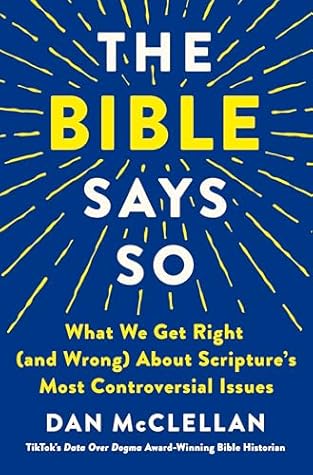
The Bible Says So: What We Get Right (and Wrong) About Scripture’s Most Controversial Issues
Tell Her Story: How Women Led, Taught, and Ministered in the Early Church
Rejoice and Tremble: The Surprising Good News of the Fear of the Lord
Better Ways to Read the Bible: Transforming a Weapon of Harm Into a Tool of Healing
Curveball: When Your Faith Takes Turns You Never Saw Coming (or How I Stumbled and Tripped My Way to Finding a Bigger God) – A Biblical Scholar's Guide to Faith Growing Through Doubt
Armageddon: What the Bible Really Says about the End
Reading Genesis
Jesus and the Powers: Christian Political Witness in an Age of Totalitarian Terror and Dysfunctional Democracies
Revelation for the Rest of Us: A Prophetic Call to Follow Jesus as a Dissident Disciple
The Great Story and the Great Commission: Participating in the Biblical Drama of Mission (Acadia Studies in Bible and Theology)
Biblical Critical Theory: How the Bible's Unfolding Story Makes Sense of Modern Life and Culture
Paul for the World: A Grounded Vision for Finding Meaning in This Life―Not Just the Next
The Vision of Ephesians: The Task of the Church and the Glory of God
Being God's Image: Why Creation Still Matters
Rethinking the Atonement
Jesus through the Eyes of Women: How the First Female Disciples Help Us Know and Love the Lord
God's Homecoming: The Forgotten Promise of Future Renewal
Beyond the Salvation Wars: Why Both Protestants and Catholics Must Reimagine How We Are Saved
Becoming God's Family: Why the Church Still Matters
Paul and Judaism at the End of History
The Widening of God's Mercy: Sexuality Within the Biblical Story
Hitchhiking with Prophets: A Ride Through the Salvation Story of the Old Testament
God's Ghostwriters: Enslaved Christians and the Making of the Bible
Strange Religion: How the First Christians Were Weird, Dangerous, and Compelling
Confronting Jesus: 9 Encounters with the Hero of the Gospels
You're Only Human: How Your Limits Reflect God’s Design and Why That’s Good News
Women and the Gender of God
Hope in Times of Fear: The Resurrection and the Meaning of Easter
Men and Women in the Church: A Short, Biblical, Practical Introduction
Typology-Understanding the Bible's Promise-Shaped Patterns: How Old Testament Expectations are Fulfilled in Christ
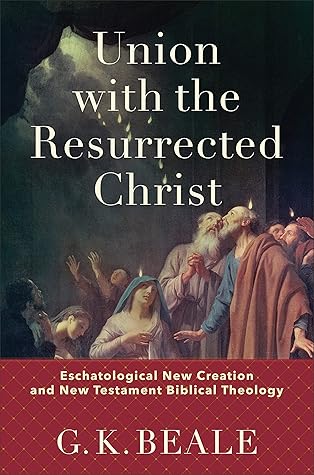
Union with the Resurrected Christ: Eschatological New Creation and New Testament Biblical Theology
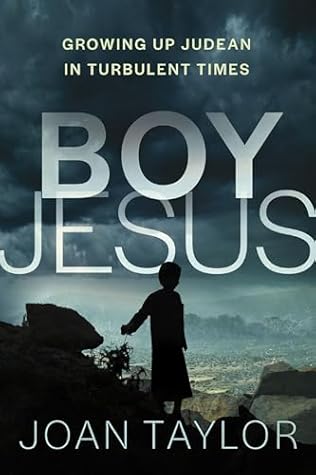
Boy Jesus: Growing Up Judean in Turbulent Times
The Evil Creator: Origins of an Early Christian Idea
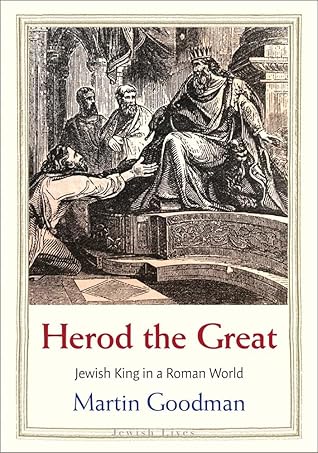
Herod the Great: Jewish King in a Roman World (Jewish Lives)
The Wood Between the Worlds: A Poetic Theology of the Cross
Why the Bible Began: An Alternative History of Scripture and its Origins
Nobody's Mother: Artemis of the Ephesians in Antiquity and the New Testament
The Origins of Judaism: An Archaeological-Historical Reappraisal (The Anchor Yale Bible Reference Library)
Tell Me the Stories of Jesus: The Explosive Power of Jesus’ Parables
15 New Testament Words of Life: A New Testament Theology for Real Life
The Bible vs. Biblical Womanhood: How God's Word Consistently Affirms Gender Equality
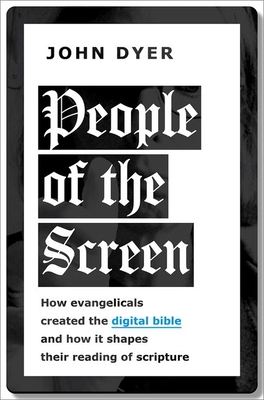
People of the Screen: How Evangelicals Created the Digital Bible and How It Shapes Their Reading of Scripture
Foretaste of the Future: Reading Revelation in Light of God's Mission
This Hallelujah Banquet: How the End of What We Were Reveals Who We Can Be
Four Views on Heaven (Counterpoints: Bible and Theology)
Blessed: Experiencing the Promise of the Book of Revelation
You Need a Better Gospel: Reclaiming the Good News of Participation with Christ
Five Views on the Exodus: Historicity, Chronology, and Theological Implications (Counterpoints: Bible and Theology)
The Herods: Murder, Politics, and the Art of Succession
Five Things Theologians Wish Biblical Scholars Knew
David's Crown: Sounding the Psalms
Seven Things I Wish Christians Knew About the Bible
The Royal Priesthood and the Glory of God (Short Studies in Biblical Theology)
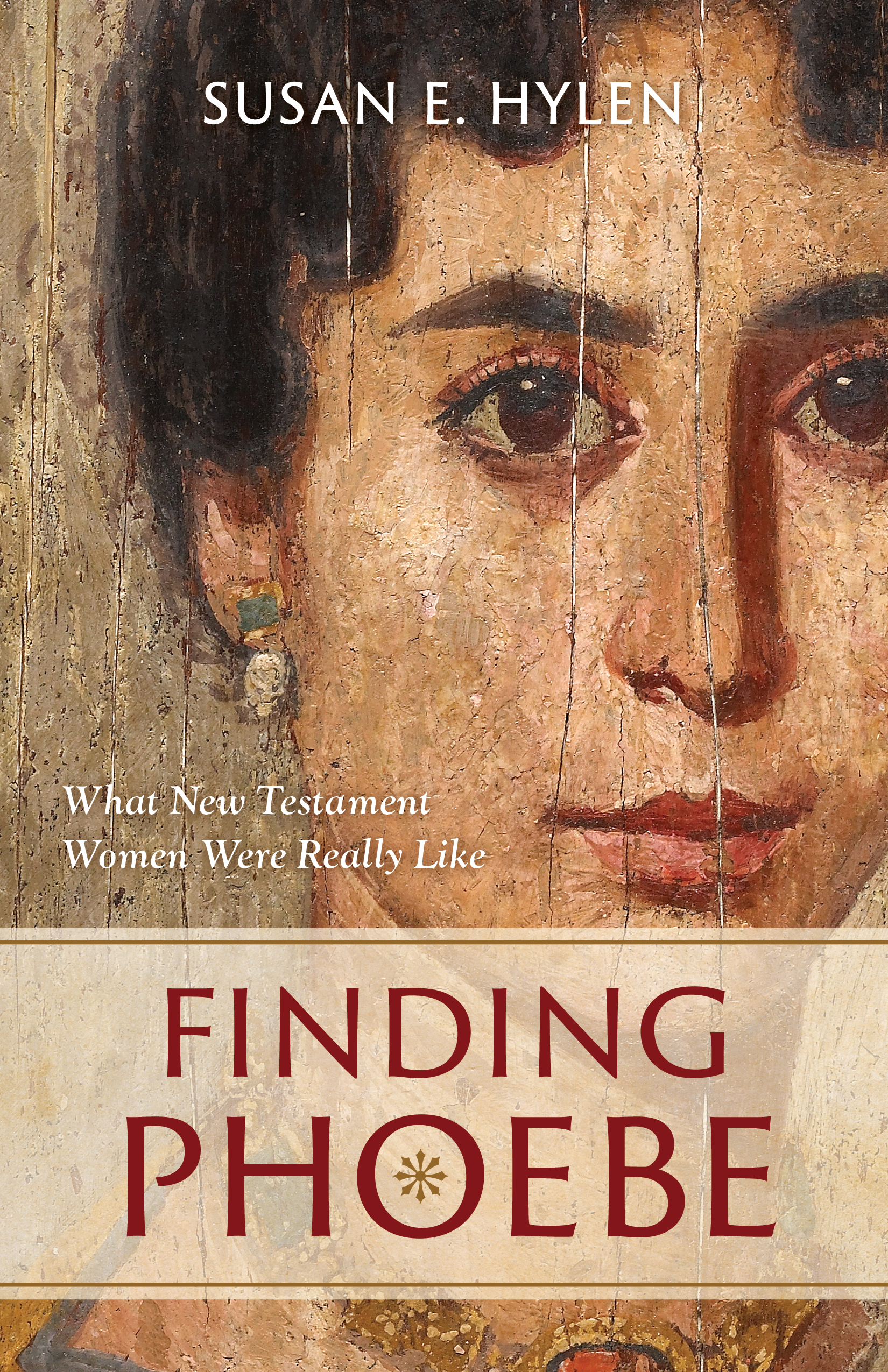
Finding Phoebe: What New Testament Women Were Really Like

Walter Brueggemann
“ In the end, ethical interpretation of the Bible means to think critically about how our practices of textual engagement might help us to become both more human and more humane. We are constantly crafting and recrafting ourselves, and the goal is to do so in such a way that we contribute, even if only incrementally, more to the good in the world than to the bad. We think of the point made by Tim Beal (2011, 184), who notes that the etymological root of the word “religion” is typically taken to be ...more ”
― Walter Brueggemann, An Introduction to the Old Testament: The Canon and Christian Imagination

“ The first motivation could be called political: If you can't or won't understand the Bible, others surely will interpret it for you. The second could be called cultural or literary: Within this culture you can't be fully literature or creative, artistically or rhetorically, without an acquaintance with the Bible. But now we come to the third and most personal reason: You also can't be spiritually mature or wise simply by rejecting the Bible as oppressive. The oppressive uses of the Bible are rea ...more ”
― John A. Buehrens, Understanding the Bible: An Introduction for Skeptics, Seekers, and Religious Liberals
More quotes...
SAIACS caters to the needs of
1 member, last active 12 years ago
Hebraic Roots and Biblical Context Study Group This group is dedicated to studying Scripture through its original Hebraic cultural and covenant…more
16 members, last active 2 days ago