
Find & Share Quotes with Friends
Chernobyl Quotes
Quotes tagged as "chernobyl"
Showing 1-30 of 77

“Is there anything more frightening than people?”
― Voices from Chernobyl: The Oral History of a Nuclear Disaster
― Voices from Chernobyl: The Oral History of a Nuclear Disaster
“Evil is not an actual substance. It is the absence of good, in the way that darkness is simply the absence of light.”
― Voices from Chernobyl: The Oral History of a Nuclear Disaster
― Voices from Chernobyl: The Oral History of a Nuclear Disaster

“I make my way back whistling. Gerry nods towards Mrs Brady who is standing beside the trolleys.
Morning, Mrs Brady, I say cheerfully.
I push her provisions out to the car.
Things are something terrible, she says. You can't trust anybody.
No.
It's come to a sorry pass.
It has.
There's hormones in the beef and tranquillizers in the bacon. There's men with breasts and women with mickeys. All from eating meat.
Now.
I steer a path between a crowd of people while she keeps step alongside.
Can you believe it - they're feeding the pigs Valium. If you boil a bit of bacon you have to lie down afterwards. Dear oh dear.
Yes, I nod.
The thought of food makes me ill.
The pigs are getting depressed in those sheds. If they get depressed they lose weight. So they tranquillize them. Where will it end?
I don't know, Mrs Brady, I say. I begin filling the boot.
That's why I started buying lamb. Then along came Chernobyl. Now you can't even have lamb stew or you'll light up at night! I swear. And when they've left you with nothing safe to eat, next thing they come along and tell you you can't live in your own house.
I haven't heard of that one, Mrs Brady.
Listen to me. She took my elbow. It could all happen that you're in your own house and the next thing is there's radiation bubbling under the floorboards.
What?
It comes right at you through the foundations. Watch the yogurts. Did you hear of that?
No.
I saw it in the Champion. Did you not see it in the Champion?
I might have.
No wonder we're not right.
I brought the lid of the boot down. She sits into the car very decorously and snaps her bag open on her lap. She winds down the window and gives me 50p for myself and £1 for the trolley.”
― Sudden Times
Morning, Mrs Brady, I say cheerfully.
I push her provisions out to the car.
Things are something terrible, she says. You can't trust anybody.
No.
It's come to a sorry pass.
It has.
There's hormones in the beef and tranquillizers in the bacon. There's men with breasts and women with mickeys. All from eating meat.
Now.
I steer a path between a crowd of people while she keeps step alongside.
Can you believe it - they're feeding the pigs Valium. If you boil a bit of bacon you have to lie down afterwards. Dear oh dear.
Yes, I nod.
The thought of food makes me ill.
The pigs are getting depressed in those sheds. If they get depressed they lose weight. So they tranquillize them. Where will it end?
I don't know, Mrs Brady, I say. I begin filling the boot.
That's why I started buying lamb. Then along came Chernobyl. Now you can't even have lamb stew or you'll light up at night! I swear. And when they've left you with nothing safe to eat, next thing they come along and tell you you can't live in your own house.
I haven't heard of that one, Mrs Brady.
Listen to me. She took my elbow. It could all happen that you're in your own house and the next thing is there's radiation bubbling under the floorboards.
What?
It comes right at you through the foundations. Watch the yogurts. Did you hear of that?
No.
I saw it in the Champion. Did you not see it in the Champion?
I might have.
No wonder we're not right.
I brought the lid of the boot down. She sits into the car very decorously and snaps her bag open on her lap. She winds down the window and gives me 50p for myself and £1 for the trolley.”
― Sudden Times
“Everything we know of horror and dread is connected primarily with war. Stalin's Gulags and Auschwitz were recent gains for evil. History has always been the story of wars and military commanders, and war was, we could say, the yardstick of horror. This is why people muddle the concepts of war and disaster. In Chernobyl, we see all the hallmarks of war: hordes of soldiers, evacuation, abandoned houses. The course of life disrupted. Reports on Chernobyl in the newspapers are thick with the language of war: 'nuclear', 'explosion', 'heroes'. And this makes it harder to appreciate that we now find ourselves on a new page of history. The history of disasters has begun. But people do not want to reflect on that, because they have never thought about it before, preferring to take refuge in the familiar. And in the past. Even the monuments to the Chernobyl heroes look like war memorials.”
― Voices from Chernobyl: The Oral History of a Nuclear Disaster
― Voices from Chernobyl: The Oral History of a Nuclear Disaster
“To be a scientist is to be naive, we are so focused on our search for truth we fail to consider how few actually want us to find it.”
―
―

“The antinuclear sentiments of both leaders were soon strengthened by a man-made nuclear catastrophe that seemed to fit right in with the biblical prophecy of Armageddon that had impressed Reagan so much: 'A great star fell from the sky, flaming like a torch; and it fell on a third of the rivers and springs. The name of the star was Wormwood; and a third of the water turned to wormwood, and men in great numbers died of the water because it was poisoned' [Revelation 8:10]. The Ukrainian word for 'wormwood' is Chernobyl.”
― Down with Big Brother: The Fall of the Soviet Empire
― Down with Big Brother: The Fall of the Soviet Empire
“To be a scientist is to be naive. We are so focused on our search for truth, we fail to consider how few actually want us to find it. But it is always there, whether we see it or not, whether we chose to or not.The truth doesn't care about our needs or wants. It doesn't care about our governments, our ideologies, our religions. It will lie in wait for all time. And this, at last, is the gift of Chernobyl. Where I once would fear the cost of truth, now I only ask. "What is the cost of lies?”
―
―
“To write about that now, when only ten years have gone by. Write about it? I think it's senseless. You can't explain it, you can't understand it. We’ll still try to imagine something that looks like our own lives now. I've tried it and it doesn’t work. The Chernobyl explosion gave us the mythology of Chernobyl. The papers and magazines compete to see who can write the most frightening article. People who weren't there love to be frightened. Everyone read about mushrooms the size of human heads, but no one actually found them. So instead of writing, you should record. Document. Show me a fantasy novel about Chernobyl—there isn't one! Because reality is more fantastic.”
― Voices from Chernobyl: The Oral History of a Nuclear Disaster
― Voices from Chernobyl: The Oral History of a Nuclear Disaster
“What is it like, radiation? Maybe they show it in the movies? Have you seen it? Is it white, or what? Some people say it has no color and no smell, and other people say that it’s black. Like earth. But if it’s colorless, then it’s like God. God is everywhere but you can’t see Him. They scare us! The apples are hanging in the garden, the leaves are on the trees, the potatoes are in the fields. I don’t think there was any Chernobyl, they made it up. They tricked people. My sister left with her husband. Not far from here, twenty kilometers. They lived there two months, and the neighbor comes running: ‘Your cow sent radiation to my cow! She’s falling down.’ ‘How’d she send it?’ 'Through the air, that’s how, like dust. It flies.’ 'Just fairy tales! Stories and more stories.”
― Voices from Chernobyl: The Oral History of a Nuclear Disaster
― Voices from Chernobyl: The Oral History of a Nuclear Disaster


“The word 'catastrophe' is not permitted as long as there is danger of catastrophe turning to doom.”
― Accident: A Day's News
― Accident: A Day's News
“No one listened to us! No one listened to the scientists and the doctors. They pulled science and medicine into politics. Of course they did!”
― Voices from Chernobyl: The Oral History of a Nuclear Disaster
― Voices from Chernobyl: The Oral History of a Nuclear Disaster
“We came home. I took off all the clothes that I wore in there and threw them down the trash chute. I gave my hat to my little son. He really wanted it. And he wore it all the time. Two years later they gave him a diagnosis: a tumor in his brain… You can write the rest of this yourself. I don’t want to talk anymore.”
― Voices from Chernobyl: The Oral History of a Nuclear Disaster
― Voices from Chernobyl: The Oral History of a Nuclear Disaster

“The accident at the Chernobyl nuclear power station was graphic evidence, not only of how obsolete our technology was, but also of the failure of the old system. At the same time, and such is the irony of history, it severely affected our reforms by literally knocking the country off its tracks.”
― Memoirs
― Memoirs

“I wake up every day thinking: Is this the day the proxy wars have resulted in a nuclear catastrophe?”
―
―
“—Todo lo que conocemos de los horrores y temores tiene más que ver con la
guerra. El gulag estalinista y Auschwitz son recientes adquisiciones del mal. La
historia siempre ha sido un relato de guerras y de caudillos, y la guerra constituía,
digamos, la medida del horror. Por eso, la gente confunde los conceptos de guerra y
catástrofe. En Chernóbil se diría que están presentes todos los rasgos de la guerra:
muchos soldados, evacuación, hogares abandonados… Se ha destruido el curso de la
vida. Las informaciones sobre Chernóbil están plagadas de términos bélicos: átomo,
explosión, héroes… Y esta circunstancia dificulta la comprensión de que nos
hallamos ante una nueva historia. Ha empezado la historia de las catástrofes… Pero
el hombre no quiere pensar en esto, porque nunca se ha parado a pensar en esto; se
esconde tras aquello que le resulta conocido. Tras el pasado.
Hasta los monumentos a los héroes de Chernóbil parecen militares.”
― Voices from Chernobyl: The Oral History of a Nuclear Disaster
guerra. El gulag estalinista y Auschwitz son recientes adquisiciones del mal. La
historia siempre ha sido un relato de guerras y de caudillos, y la guerra constituía,
digamos, la medida del horror. Por eso, la gente confunde los conceptos de guerra y
catástrofe. En Chernóbil se diría que están presentes todos los rasgos de la guerra:
muchos soldados, evacuación, hogares abandonados… Se ha destruido el curso de la
vida. Las informaciones sobre Chernóbil están plagadas de términos bélicos: átomo,
explosión, héroes… Y esta circunstancia dificulta la comprensión de que nos
hallamos ante una nueva historia. Ha empezado la historia de las catástrofes… Pero
el hombre no quiere pensar en esto, porque nunca se ha parado a pensar en esto; se
esconde tras aquello que le resulta conocido. Tras el pasado.
Hasta los monumentos a los héroes de Chernóbil parecen militares.”
― Voices from Chernobyl: The Oral History of a Nuclear Disaster
“—Todo lo que conocemos de los horrores y temores tiene más que ver con la guerra. El gulag estalinista y Auschwitz son recientes adquisiciones del mal. La historia siempre ha sido un relato de guerras y de caudillos, y la guerra constituía, digamos, la medida del horror. Por eso, la gente confunde los conceptos de guerra y catástrofe. En Chernóbil se diría que están presentes todos los rasgos de la guerra: muchos soldados, evacuación, hogares abandonados… Se ha destruido el curso de la vida. Las informaciones sobre Chernóbil están plagadas de términos bélicos: átomo, explosión, héroes… Y esta circunstancia dificulta la comprensión de que nos hallamos ante una nueva historia. Ha empezado la historia de las catástrofes… Pero el hombre no quiere pensar en esto, porque nunca se ha parado a pensar en esto; se esconde tras aquello que le resulta conocido. Tras el pasado.
Hasta los monumentos a los héroes de Chernóbil parecen militares.”
― Voices from Chernobyl: The Oral History of a Nuclear Disaster
Hasta los monumentos a los héroes de Chernóbil parecen militares.”
― Voices from Chernobyl: The Oral History of a Nuclear Disaster
“Leonid Andréyev, del que ya le he hablado, tiene un relato. Un hombre que vivía en Jerusalén vio un día cómo junto a su casa conducían a Cristo. El hombre lo vio todo y lo oyó, pero entonces le dolía una muela. Ante sus ojos, Cristo cayó al suelo con la cruz a cuestas, cayó y lanzó un grito de dolor. El hombre que veía todo esto no salió de su casa a la calle porque le dolía una muela. Al cabo de dos días, cuando dejó de dolerle la muela, le contaron que Cristo había resucitado y entonces el hombre pensó: «Y yo que podía haber sido testigo del hecho, pero como me dolía la muela…».
¿Será posible que siempre ocurra igual? Los hombres nunca están a la altura de los grandes acontecimientos. Siempre les superan los hechos. Mi padre luchó en la defensa de Moscú en el 42. Pero no comprendió que había participado en un gran acontecimiento hasta pasadas decenas de años. Por los libros, las películas. Él, en cambio, recordaba: «Estaba metido en una trinchera. Disparaba. Quedé enterrado por una explosión. Los enfermeros me sacaron de allí medio vivo». Y nada más.”
― Voices from Chernobyl: The Oral History of a Nuclear Disaster
¿Será posible que siempre ocurra igual? Los hombres nunca están a la altura de los grandes acontecimientos. Siempre les superan los hechos. Mi padre luchó en la defensa de Moscú en el 42. Pero no comprendió que había participado en un gran acontecimiento hasta pasadas decenas de años. Por los libros, las películas. Él, en cambio, recordaba: «Estaba metido en una trinchera. Disparaba. Quedé enterrado por una explosión. Los enfermeros me sacaron de allí medio vivo». Y nada más.”
― Voices from Chernobyl: The Oral History of a Nuclear Disaster
“Somos guerreros. Mi padre, en todo el tiempo que recuerdo, llevó ropa militar, aunque no lo era. Pensar en el dinero era de burgueses; preocuparte por tu propia vida, no patriótico. El estado normal era el hambre. Ellos, nuestros padres, sobrevivieron al desastre, por tanto también nosotros debíamos superarlo. No había otra manera de convertirse en un hombre de verdad. Nos han enseñado a luchar y a sobrevivir bajo cualquier circunstancia. A mí mismo, después del servicio militar, la vida civil me resultaba insulsa. Salíamos en grupo por la noche a la ciudad en busca de emociones fuertes.”
― Voices from Chernobyl: The Oral History of a Nuclear Disaster
― Voices from Chernobyl: The Oral History of a Nuclear Disaster

“Eloise had been with Dad since before the riots. "As long as I breathe," Dad often said, "Eloise will have a job." She was like a second wife to him. She took care of him during his workday. They argued and fought and got grumpy with each other. There was genuine affection. Mom knew all this. "Thank God Eloise is uglier than a cow living near Chernobyl," Mom liked to say, "or I might wonder.”
― One False Move
― One False Move

“Challenger and Chernobyl: the only felicitous accidents, like a freeze-frame of the system. In the same way as a photo arrests movement and restores the unforgettable character that it had lost, the Challenger explosion has revived our imagination where space is concerned. The photos of Challenger were only so beautiful because they fixed in our minds the secret destination of the adventure of space travel, whereas its speed only gives us the apparent movement.”
― Cool Memories
― Cool Memories
“We paid for the dormitory ourselves. For fourteen nights. It was a hospital for radiation poisoning. Fourteen nights. That’s how long it takes for person to die.”
― Voices from Chernobyl: The Oral History of a Nuclear Disaster
― Voices from Chernobyl: The Oral History of a Nuclear Disaster
“Akla duyulan inanç insanı terk ederse, ruhuna korku yerleşir, tıpkı vahşi insanda olduğu gibi. Bu durum canavarlar üretir.”
― Voices from Chernobyl: The Oral History of a Nuclear Disaster
― Voices from Chernobyl: The Oral History of a Nuclear Disaster
“Ve genel olarak anladım ki, hayattaki korkunç şeyler sessizce ve doğal bir şekilde gerçekleşiyor...”
― Voices from Chernobyl: The Oral History of a Nuclear Disaster
― Voices from Chernobyl: The Oral History of a Nuclear Disaster
“Ama sanat, hasta birinden elde edilen serum gibi, başkalarının deneyimlerini bedeninize zerk edebilir. Çernobil, tam Dostoyevski’lik bir konu. İnsanı maruz gösterme girişimi. Ya da belki, her şey son derece basittir: Dünyaya parmak uçlarında yaklaşıp tam eşikte durmak lazımdır, kimbilir?!
Bu ilahi dünyayı hayretle seyredip… O şekilde sürdürmek lazımdır yaşamı…”
― Voices from Chernobyl: The Oral History of a Nuclear Disaster
Bu ilahi dünyayı hayretle seyredip… O şekilde sürdürmek lazımdır yaşamı…”
― Voices from Chernobyl: The Oral History of a Nuclear Disaster
“En önemli şey yaşam ve ölüm. Başka bir şey yok. Sakın bunu tartmaya çalışmayın…
Anladım ki, sadece yaşadığınız anın anlamı var… Yaşadığımız anların…”
― Voices from Chernobyl: The Oral History of a Nuclear Disaster
Anladım ki, sadece yaşadığınız anın anlamı var… Yaşadığımız anların…”
― Voices from Chernobyl: The Oral History of a Nuclear Disaster
“Oh Lyubochka, do you understand what I'm telling you, my sorrow? you'll carry it to people, maybe I won't be here anymore. I'll be in the ground. Under the roots..." Zinaida Kovalenko, Voices From Chernobyl”
― Voices from Chernobyl: The Oral History of a Nuclear Disaster
― Voices from Chernobyl: The Oral History of a Nuclear Disaster

“In 2019, I went on a tour of Chernobyl. The Ukrainian guide who explained what led to the nuclear accident said something that stuck in my mind. “Americans grow up with the idea that questions lead to answers,” he said. “But Soviet citizens grew up with the idea that questions lead to trouble.”
― Nexus: A Brief History of Information Networks from the Stone Age to AI
― Nexus: A Brief History of Information Networks from the Stone Age to AI
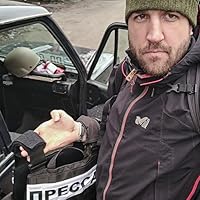
“Jedného dňa so sebou priviedli vlastného dozimetristu a násilím otvorili sklad rádioaktívneho odpadu. Prinútili ma tam ísť. Pod namierenou hlavňou samopalu.
Prišiel som v protiradiačnom odeve, v ochranných okuliaroch a rukaviciach. Oni len tak, v uniformách. Zase ten sebavedomý úsmev.
‚Tak to konečne máme, inžinierko,‘ hovorí jeden z nich. ‚Tu ukrývate tie laboratóriá na biologické zbrane!‘
Všetko som pochopil. Oni si naozaj mysleli, že ak obsadia Černobyľ, nájdu tu americkú základňu, v ktorej sa vyvíjajú biologické zbrane. Nebola to žiadna informačná hra. Mysleli to smrteľne vážne. Verili tomu.
„A našli?“
„V momente, ako otvorili ťažké ochranné dvere, dozimetre sa zbláznili. Vyskočili za maximálne merateľné limity. Dozimetrista odtial utiekol. Zostali armádni plukovníci a ich vojaci. Jeden z nich zdvihol holou rukou tubu. Bol to kobalt-60. Začal si ho fotit‘.
Povedal som: ‚Ak náhodou bývate v jednej izbe s týmto šialencom, radšej rovno napíšte svojim ženám. Nech si začnú hľadať nových mužov.‘
Oni: „Geňa, okamžite to polož!“
Všetci utiekli.”
― Spev sirén: Putovanie do srdca ukrajinskej vojny
Prišiel som v protiradiačnom odeve, v ochranných okuliaroch a rukaviciach. Oni len tak, v uniformách. Zase ten sebavedomý úsmev.
‚Tak to konečne máme, inžinierko,‘ hovorí jeden z nich. ‚Tu ukrývate tie laboratóriá na biologické zbrane!‘
Všetko som pochopil. Oni si naozaj mysleli, že ak obsadia Černobyľ, nájdu tu americkú základňu, v ktorej sa vyvíjajú biologické zbrane. Nebola to žiadna informačná hra. Mysleli to smrteľne vážne. Verili tomu.
„A našli?“
„V momente, ako otvorili ťažké ochranné dvere, dozimetre sa zbláznili. Vyskočili za maximálne merateľné limity. Dozimetrista odtial utiekol. Zostali armádni plukovníci a ich vojaci. Jeden z nich zdvihol holou rukou tubu. Bol to kobalt-60. Začal si ho fotit‘.
Povedal som: ‚Ak náhodou bývate v jednej izbe s týmto šialencom, radšej rovno napíšte svojim ženám. Nech si začnú hľadať nových mužov.‘
Oni: „Geňa, okamžite to polož!“
Všetci utiekli.”
― Spev sirén: Putovanie do srdca ukrajinskej vojny
“You immediately found yourself in this fantastic world, where the apocalypse met the stone age. We lived in the forest, in tents, 200km from the reactor, like partisans.
We were between 25 and 40; some of us had university degrees or diplomas. I'm a history teacher, for example. Instead of machine guns they gave us shovels. We buried trash heaps and gardens. The women in the villages watched us and crossed themselves. We had gloves, respirators and surgical robes. The sun beat down on us. We showed up in their yards like demons. They didn't understand why we had to bury their gardens, rip up their garlic and cabbage when it looked like ordinary garlic and ordinary cabbage. The old women would cross themselves and say, "Boys, what is this - is it the end of the world?"
In the house the stove's on, the lard is frying. You put a dosimeter to it, and you find it's not a stove, it's a little nuclear reactor.
I saw a man who watched his house get buried. We buried houses, wells, trees. We buried the earth. We'd cut things down, roll them up into big plastic sheets. We buried the forest. We sawed the trees into 1.5m pieces and packed them in Cellophane and threw them into graves.
I couldn't sleep at night. I'd close my eyes and see something black moving, turning over - as if it were alive - live tracts of land, with insects, spiders, worms. I didn't know any of them, their names, just insects, spiders, ants. And they were small and big, yellow and black, all different colours.
One of the poets says somewhere that animals are a different people. I killed them by the ten, by the hundred, thousand, not even knowing what they were called. I destroyed their houses, their secrets. And buried them. Buried them.
Arkady Filin
Liquidator”
― Voces de Chernóbil: crónica del futuro
We were between 25 and 40; some of us had university degrees or diplomas. I'm a history teacher, for example. Instead of machine guns they gave us shovels. We buried trash heaps and gardens. The women in the villages watched us and crossed themselves. We had gloves, respirators and surgical robes. The sun beat down on us. We showed up in their yards like demons. They didn't understand why we had to bury their gardens, rip up their garlic and cabbage when it looked like ordinary garlic and ordinary cabbage. The old women would cross themselves and say, "Boys, what is this - is it the end of the world?"
In the house the stove's on, the lard is frying. You put a dosimeter to it, and you find it's not a stove, it's a little nuclear reactor.
I saw a man who watched his house get buried. We buried houses, wells, trees. We buried the earth. We'd cut things down, roll them up into big plastic sheets. We buried the forest. We sawed the trees into 1.5m pieces and packed them in Cellophane and threw them into graves.
I couldn't sleep at night. I'd close my eyes and see something black moving, turning over - as if it were alive - live tracts of land, with insects, spiders, worms. I didn't know any of them, their names, just insects, spiders, ants. And they were small and big, yellow and black, all different colours.
One of the poets says somewhere that animals are a different people. I killed them by the ten, by the hundred, thousand, not even knowing what they were called. I destroyed their houses, their secrets. And buried them. Buried them.
Arkady Filin
Liquidator”
― Voces de Chernóbil: crónica del futuro
All Quotes
|
My Quotes
|
Add A Quote
Browse By Tag
- Love Quotes 102.5k
- Life Quotes 81k
- Inspirational Quotes 77.5k
- Humor Quotes 45.5k
- Philosophy Quotes 32k
- Inspirational Quotes Quotes 28.5k
- God Quotes 27k
- Wisdom Quotes 25k
- Romance Quotes 25k
- Truth Quotes 25k
- Poetry Quotes 24.5k
- Life Lessons Quotes 23k
- Quotes Quotes 21.5k
- Death Quotes 21k
- Happiness Quotes 19k
- Hope Quotes 19k
- Faith Quotes 18.5k
- Inspiration Quotes 18k
- Relationships Quotes 16k
- Spirituality Quotes 16k
- Motivational Quotes 16k
- Religion Quotes 15.5k
- Life Quotes Quotes 15.5k
- Writing Quotes 15k
- Love Quotes Quotes 15k
- Success Quotes 14.5k
- Motivation Quotes 14k
- Time Quotes 13k
- Science Quotes 12.5k
- Motivational Quotes Quotes 12k