
Find & Share Quotes with Friends
Feminicide Quotes
Quotes tagged as "feminicide"
Showing 1-9 of 9

“From the start the proportion of asocials in the camp was about one-third of the total population, and throughout the first years prostitutes, homeless and ‘work-shy’ women continued to pour in through the gates. Overcrowding in the asocial blocks increased fast, order collapsed, and then followed squalor and disease.
Although we learn a lot about what the political prisoners thought of the asocials, we learn nothing of what the asocials thought of them. Unlike the political women, they left no memoirs. Speaking out after the war would mean revealing the reason for imprisonment in the first place, and incurring more shame. Had compensation been available they might have seen a reason to come forward, but none was offered.
The German associations set up after the war to help camp survivors were dominated by political prisoners. And whether they were based in the communist East or in the West, these bodies saw no reason to help ‘asocial’ survivors. Such prisoners had not been arrested as ‘fighters’ against the fascists, so whatever their suffering none of them qualified for financial or any other kind of help. Nor were the Western Allies interested in their fate. Although thousands of asocials died at Ravensbrück, not a single black- or green-triangle survivor was called upon to give evidence for the Hamburg War Crimes trials, or at any later trials.
As a result these women simply disappeared: the red-light districts they came from had been flattened by Allied bombs, so nobody knew where they went. For many decades, Holocaust researchers also considered the asocials’ stories irrelevant; they barely rate mention in camp histories. Finding survivors amongst this group was doubly hard because they formed no associations, nor veterans’ groups. Today, door-knocking down the Düsseldorf Bahndamm, one of the few pre-war red-light districts not destroyed, brings only angry shouts of ‘Get off my patch'.”
― Ravensbrück: Life and Death in Hitler's Concentration Camp for Women
Although we learn a lot about what the political prisoners thought of the asocials, we learn nothing of what the asocials thought of them. Unlike the political women, they left no memoirs. Speaking out after the war would mean revealing the reason for imprisonment in the first place, and incurring more shame. Had compensation been available they might have seen a reason to come forward, but none was offered.
The German associations set up after the war to help camp survivors were dominated by political prisoners. And whether they were based in the communist East or in the West, these bodies saw no reason to help ‘asocial’ survivors. Such prisoners had not been arrested as ‘fighters’ against the fascists, so whatever their suffering none of them qualified for financial or any other kind of help. Nor were the Western Allies interested in their fate. Although thousands of asocials died at Ravensbrück, not a single black- or green-triangle survivor was called upon to give evidence for the Hamburg War Crimes trials, or at any later trials.
As a result these women simply disappeared: the red-light districts they came from had been flattened by Allied bombs, so nobody knew where they went. For many decades, Holocaust researchers also considered the asocials’ stories irrelevant; they barely rate mention in camp histories. Finding survivors amongst this group was doubly hard because they formed no associations, nor veterans’ groups. Today, door-knocking down the Düsseldorf Bahndamm, one of the few pre-war red-light districts not destroyed, brings only angry shouts of ‘Get off my patch'.”
― Ravensbrück: Life and Death in Hitler's Concentration Camp for Women
“How many rapes occurred inside the walls of the main camp of Ravensbrück is hard to put a figure to: so many of the victims—already, as Ilse Heinrich said, half dead—did not survive long enough after the war to talk about it.
While many older Soviet women were reluctant to talk of the rape, younger survivors feel less restraint today. Nadia Vasilyeva was one of the Red Army nurses who were cornered by the Germans on the cliffs of the Crimea. Three years later in Neustrelitz, northwest of Ravensbrück, she and scores of other Red Army women were cornered again, this time by their own Soviet liberators intent on mass rape. Other women make no excuses for the Soviet rapists. ‘They were demanding payment for liberation,’ said Ilena Barsukova. ‘The Germans never raped the prisoners because we were Russian swine, but our own soldiers raped us. We were disgusted that they behaved like this. Stalin had said that no soldiers should be taken prisoner, so they felt they could treat us like dirt.’
Like the Russians, Polish survivors were also reluctant for many years to talk of Red Army rape. ‘We were terrified by our Russian liberators,’ said Krystyna Zając. ‘But we could not talk about it later because of the communists who had by then taken over in Poland.’ Nevertheless, Poles, Yugoslavs, Czechs and French survivors all left accounts of being raped as soon as they reached the Soviet lines. They talked of being ‘hunted down’, ‘captured’ or ‘cornered’ and then raped.
In her memoirs Wanda Wojtasik, one of the rabbits, says it was impossible to encounter a single Russian without being raped. As she, Krysia and their Lublin friends tried to head east towards their home, they were attacked at every turn. Sometimes the approach would begin with romantic overtures from ‘handsome men’, but these approaches soon degenerated into harassment and then rape. Wanda did not say she was raped herself, but describes episodes where soldiers pounced on friends, or attacked them in houses where they sheltered, or dragged women off behind trees, who then reappeared sobbing and screaming. ‘After a while we never accepted lifts and didn’t dare go near any villages, and when we slept someone always stood watch.”
― Ravensbruck: Life and Death in Hitler's Concentration Camp for Women
While many older Soviet women were reluctant to talk of the rape, younger survivors feel less restraint today. Nadia Vasilyeva was one of the Red Army nurses who were cornered by the Germans on the cliffs of the Crimea. Three years later in Neustrelitz, northwest of Ravensbrück, she and scores of other Red Army women were cornered again, this time by their own Soviet liberators intent on mass rape. Other women make no excuses for the Soviet rapists. ‘They were demanding payment for liberation,’ said Ilena Barsukova. ‘The Germans never raped the prisoners because we were Russian swine, but our own soldiers raped us. We were disgusted that they behaved like this. Stalin had said that no soldiers should be taken prisoner, so they felt they could treat us like dirt.’
Like the Russians, Polish survivors were also reluctant for many years to talk of Red Army rape. ‘We were terrified by our Russian liberators,’ said Krystyna Zając. ‘But we could not talk about it later because of the communists who had by then taken over in Poland.’ Nevertheless, Poles, Yugoslavs, Czechs and French survivors all left accounts of being raped as soon as they reached the Soviet lines. They talked of being ‘hunted down’, ‘captured’ or ‘cornered’ and then raped.
In her memoirs Wanda Wojtasik, one of the rabbits, says it was impossible to encounter a single Russian without being raped. As she, Krysia and their Lublin friends tried to head east towards their home, they were attacked at every turn. Sometimes the approach would begin with romantic overtures from ‘handsome men’, but these approaches soon degenerated into harassment and then rape. Wanda did not say she was raped herself, but describes episodes where soldiers pounced on friends, or attacked them in houses where they sheltered, or dragged women off behind trees, who then reappeared sobbing and screaming. ‘After a while we never accepted lifts and didn’t dare go near any villages, and when we slept someone always stood watch.”
― Ravensbruck: Life and Death in Hitler's Concentration Camp for Women

“«Las mujeres entre los quince y los cuarenta y cuatro años tienen más posibilidades de morir o de ser lesionadas o desfiguradas debido a la violencia masculina que debido al cáncer, la malaria y los accidentes de tráfico juntos»,”
― Men Explain Things to Me
― Men Explain Things to Me

“...los lectores de la India y China quizá reconozcan, con cierta vergüenza y seriedad, que el mayor proyecto de -eugenesia negativa- de la historia de la humanidad no fue el del exterminio sistemático de los judíos en Alemania y Austria concebido en los años 30. Esta espantosa distinción la tienen India y China, donde faltan más de diez millones de mujeres debido al infanticidio, el aborto y el abandono de niñas.”
― The Gene: An Intimate History
― The Gene: An Intimate History

“Every woman, from the prostitute to the nun, possesses equal right to safety, protection, and freedom; in a manner unrelated to the consent or standards drawn out by men. We do not choose which woman for whom to provide more protection and more safety based upon what she is doing with her own body, how she clothes herself, or the style by which she chooses to live.”
―
―

“...antes de perder el conocimiento, se había preguntado cuántas mujeres a lo largo de la historia habrían acabado su vida con esa misma imagen delante: la cara del hombre con el que se habían casado, con los rasgos desfigurados por la ira, asesinándolas.”
― Mujeres que no perdonan
― Mujeres que no perdonan

“Era così che si viveva allora? Vivevamo di abitudini. Come tutti, la maggior parte del tempo. Qualsiasi cosa accade rientra sempre nelle abitudini. Anche questo, ora, è un vivere di abitudini. Vivevamo, come al solito, ignorando. Ignorare non è come non sapere, ti ci devi mettere di buona volontà.
Nulla muta istantaneamente: in una vasca da bagno che si riscaldi gradualmente moriresti bollito senza nemmeno accorgertene. C'erano notizie sui giornali, certi giornali, cadaveri dentro rogge o nei boschi, percossi a morte o mutilati, manomesso, così si diceva, ma si trattava di altre donne, e gli uomini che commettevano simili cose erano altri uomini. Non erano gli uomini che conoscevamo. Le storie dei giornali erano come sogni per noi, brutti sogni sognati da altri. Che cose orribili, dicevamo, e lo erano, ma erano orribili senza essere credibili. Erano troppo melodrammatico, avevano una dimensione che non era la dimensione della nostra vita. Noi eravamo la gente di cui non si parlava sui giornali.
Vivevamo nei vuoti spazi bianchi ai margini dei fogli e questo ci dava più libertà.
Vivevamo negli interstizi tra le storie altrui.”
― The Handmaid's Tale
Nulla muta istantaneamente: in una vasca da bagno che si riscaldi gradualmente moriresti bollito senza nemmeno accorgertene. C'erano notizie sui giornali, certi giornali, cadaveri dentro rogge o nei boschi, percossi a morte o mutilati, manomesso, così si diceva, ma si trattava di altre donne, e gli uomini che commettevano simili cose erano altri uomini. Non erano gli uomini che conoscevamo. Le storie dei giornali erano come sogni per noi, brutti sogni sognati da altri. Che cose orribili, dicevamo, e lo erano, ma erano orribili senza essere credibili. Erano troppo melodrammatico, avevano una dimensione che non era la dimensione della nostra vita. Noi eravamo la gente di cui non si parlava sui giornali.
Vivevamo nei vuoti spazi bianchi ai margini dei fogli e questo ci dava più libertà.
Vivevamo negli interstizi tra le storie altrui.”
― The Handmaid's Tale
“Las niñas se educan en el universo mágico de los cuentos de hadas. El príncipe encantador debe abrirse camino entre la maleza para llegar al castillo dela bella durmiente del bosque. La besa. Ella despierta por fin. El cuento ha terminado y hemos aprendido que la felicidad consiste en permanecer encerrada junto al amado.La sirenita dona su inmortalidad y su magnifica cola de pez para tener piernas. Andar es un suplicio, pero ella puede reunirse así con su príncipe encantador ... Que se casa con otra. El cuento ha terminado y hemos aprendido que nada es más hermoso que el sacrificio propio, incluso por un amado que no ama.
Tu asesino te quería sólo para él. Se pegó a ti. Creíste que era amor. Era sólo instinto de posesión. Lo contrario del Amor.”
― Mi hija Marie
Tu asesino te quería sólo para él. Se pegó a ti. Creíste que era amor. Era sólo instinto de posesión. Lo contrario del Amor.”
― Mi hija Marie
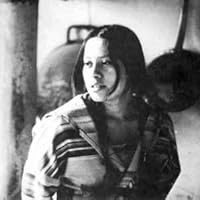
“There was a man and his wife, I won’t mention their names. They seemed to have a good marriage and to be happy together. One day he got into drinking the hard stuff, more than usual. He went berserk and killed her. He doesn’t know why he did it, doesn’t even have the slightest remembrance of it. The day before, I saw them laughing and joking together, Another friend of mine was found dead in her home, strangled with a nylon stocking. A young woman, Nellie, was discovered early one morning, lying dead among some trash cans at St. Francis. She was badly beaten up. I used to be good buddies with her. She had a brand-new baby. On the res, death is a way of life.”
― Ohitika Woman
― Ohitika Woman
All Quotes
|
My Quotes
|
Add A Quote
Browse By Tag
- Love Quotes 102.5k
- Life Quotes 81k
- Inspirational Quotes 77.5k
- Humor Quotes 45.5k
- Philosophy Quotes 32k
- Inspirational Quotes Quotes 29k
- God Quotes 27k
- Wisdom Quotes 25.5k
- Romance Quotes 25k
- Truth Quotes 25k
- Poetry Quotes 24.5k
- Life Lessons Quotes 23k
- Quotes Quotes 21.5k
- Death Quotes 21k
- Happiness Quotes 19k
- Hope Quotes 19k
- Faith Quotes 18.5k
- Inspiration Quotes 18k
- Relationships Quotes 16k
- Spirituality Quotes 16k
- Motivational Quotes 16k
- Religion Quotes 15.5k
- Life Quotes Quotes 15.5k
- Writing Quotes 15k
- Love Quotes Quotes 15k
- Success Quotes 14.5k
- Motivation Quotes 14k
- Time Quotes 13k
- Science Quotes 12.5k
- Motivational Quotes Quotes 12k