
Find & Share Quotes with Friends
John Knox Quotes
Quotes tagged as "john-knox"
Showing 1-3 of 3
“He (Knox) handles the doctrines of election and justification as causes for bright joy in believers. 'Your imperfections shall have no power to damn you,' he writes to Mrs. Bowes, 'for Christ's perfection is reputed to be yours by faith, which you have in his blood.' 'God has received already at the hands of His only Son all that is due for our sins, and so cannot his justice require or crave any more of us, other satisfaction or recompense for our sins.”
―
―

“...Saygıdeğer Bede, kuyrukluyıldızların "krallıklarda devrimler çıkacağına, vebaya, savaşa, rüzgâra ya da sıcağa alamet" olduğunu söylemişti. John Knox kuyrukluyıldızlara tanrısal öfkenin kanıtları gözüyle bakar, başka İskoç Protestanları ise bunların, "Katoliklerin kökünü kazıtması için krala bir ihtar" olduğunu düşünürlerdi. Kuyrukluyıldızlar yönünden Amerika, özellikle de New England haklı olarak ilgi çekici bir yerdir. 1652 yılında, tam ünlü Mr. Cotton'un hastalandığı sırada bir kuyrukluyıldız görülmüş ve o ölünce kaybolmuştu. Aradan on yıl bile geçmeden, Boston şehrinin günahkâr halkına, "şehvetperestlikten ve sarhoşluk yoluyla, yeni moda elbiseler giymek yoluyla Tanrının salih mahlukatına karşı küfürde bulunmaktan" vazgeçmelerini ihtar için, bir kuyrukluyıldız göründü...”
― In Praise of Idleness and Other Essays
― In Praise of Idleness and Other Essays
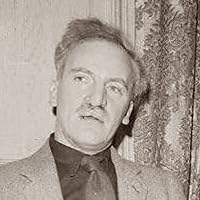
“A theatrical tribute to John Knox is one way of measuring his failure. John Kox was a strong advocate of the death penalty for actors, and consistent supporters of his doctrine should properly have strung up Tom Fleming, his impersonator, along with the rest of the cast of Robert Kemp's Master John Knox presented at the Gateway Theatre during October. The play and the man cannot both be justified, and an unrealistic element enters into a theatrical interpretation that is devised to do fulsome homage to a historical character without conceding that he was one of the Theatre's most savage enemies. This element of calculated inaccuracy was sustained in a piece that Christopher Small, writing in the Glasgow Herald, rightly observed presented us with the Knox of tradition, or sentiment, rather than the Knox of history. But if we are prepared to swallow the legend, Mr. Kemp succeeded in giving it theatrical life.”
― Saltire Review 23, Winter 1961
― Saltire Review 23, Winter 1961
All Quotes
|
My Quotes
|
Add A Quote
Browse By Tag
- Love Quotes 102.5k
- Life Quotes 81k
- Inspirational Quotes 77.5k
- Humor Quotes 45.5k
- Philosophy Quotes 32k
- Inspirational Quotes Quotes 28.5k
- God Quotes 27k
- Wisdom Quotes 25k
- Romance Quotes 25k
- Truth Quotes 25k
- Poetry Quotes 24.5k
- Life Lessons Quotes 23k
- Quotes Quotes 21.5k
- Death Quotes 21k
- Happiness Quotes 19k
- Hope Quotes 19k
- Faith Quotes 18.5k
- Inspiration Quotes 18k
- Relationships Quotes 16k
- Spirituality Quotes 16k
- Motivational Quotes 16k
- Religion Quotes 15.5k
- Life Quotes Quotes 15.5k
- Writing Quotes 15k
- Love Quotes Quotes 15k
- Success Quotes 14.5k
- Motivation Quotes 14k
- Time Quotes 13k
- Science Quotes 12.5k
- Motivational Quotes Quotes 12k