
Find & Share Quotes with Friends
Napoleonic Wars Quotes
Quotes tagged as "napoleonic-wars"
Showing 1-24 of 24

“It was as easy as breathing to go and have tea near the place where Jane Austen had so wittily scribbled and so painfully died. One of the things that causes some critics to marvel at Miss Austen is the laconic way in which, as a daughter of the epoch that saw the Napoleonic Wars, she contrives like a Greek dramatist to keep it off the stage while she concentrates on the human factor. I think this comes close to affectation on the part of some of her admirers. Captain Frederick Wentworth in Persuasion, for example, is partly of interest to the female sex because of the 'prize' loot he has extracted from his encounters with Bonaparte's navy. Still, as one born after Hiroshima I can testify that a small Hampshire township, however large the number of names of the fallen on its village-green war memorial, is more than a world away from any unpleasantness on the European mainland or the high or narrow seas that lie between. (I used to love the detail that Hampshire's 'New Forest' is so called because it was only planted for the hunt in the late eleventh century.) I remember watching with my father and brother through the fence of Stanstead House, the Sussex mansion of the Earl of Bessborough, one evening in the early 1960s, and seeing an immense golden meadow carpeted entirely by grazing rabbits. I'll never keep that quiet, or be that still, again.
This was around the time of countrywide protest against the introduction of a horrible laboratory-confected disease, named 'myxomatosis,' into the warrens of old England to keep down the number of nibbling rodents. Richard Adams's lapine masterpiece Watership Down is the remarkable work that it is, not merely because it evokes the world of hedgerows and chalk-downs and streams and spinneys better than anything since The Wind in the Willows, but because it is only really possible to imagine gassing and massacre and organized cruelty on this ancient and green and gently rounded landscape if it is organized and carried out against herbivores.”
― Hitch 22: A Memoir
This was around the time of countrywide protest against the introduction of a horrible laboratory-confected disease, named 'myxomatosis,' into the warrens of old England to keep down the number of nibbling rodents. Richard Adams's lapine masterpiece Watership Down is the remarkable work that it is, not merely because it evokes the world of hedgerows and chalk-downs and streams and spinneys better than anything since The Wind in the Willows, but because it is only really possible to imagine gassing and massacre and organized cruelty on this ancient and green and gently rounded landscape if it is organized and carried out against herbivores.”
― Hitch 22: A Memoir
“The right-wing Tories and the conservative Whigs fought Napoleon as the Usurper and the Enemy of the Established Order; the liberal Tories and the radical Whigs fought him as the Betrayer of the Revolution and the Enslaver of Europe; they were all agreed in fighting him, and his notion that their disagreement signified national disunion was mere wishful thinking. All dictators since his time have fallen into the same trap: themselves blind to the values of liberty, they cannot conceive that people who disagree on its meaning can nevertheless unite in upholding their freedoms against patent despotism.”
― The Age of Napoleon
― The Age of Napoleon

“All in all, French armies wrought much suffering in Europe, but they also radically changed the lay of the land.
In much of Europe, gone were feudal relations; the power of
the guilds; the absolutist control of monarchs and princes;
the grip of the clergy on economic, social, and political
power; and the foundation of ancien régime, which treated
different people unequally based on their birth status.
These changes created the type of inclusive economic
institutions that would then allow industrialization to take
root in these places. By the middle of the nineteenth
century, industrialization was rapidly under way in almost all
the places that the French controlled, whereas places such
as Austria-Hungary and Russia, which the French did not
conquer, or Poland and Spain, where French hold was
temporary and limited, were still largely stagnant.”
―
In much of Europe, gone were feudal relations; the power of
the guilds; the absolutist control of monarchs and princes;
the grip of the clergy on economic, social, and political
power; and the foundation of ancien régime, which treated
different people unequally based on their birth status.
These changes created the type of inclusive economic
institutions that would then allow industrialization to take
root in these places. By the middle of the nineteenth
century, industrialization was rapidly under way in almost all
the places that the French controlled, whereas places such
as Austria-Hungary and Russia, which the French did not
conquer, or Poland and Spain, where French hold was
temporary and limited, were still largely stagnant.”
―
“The English soldier was probably the worst-treated soldier in Europe, and judging from the English casualty rates during the Napoleonic wars, English generals were more lavish with their soldiers' lives than were their French and German colleagues.”
― The Age of Napoleon
― The Age of Napoleon
“His [Pitt's] successor as prime minister was Mr. Addington, who was a friend of Mr. Pitt, just as Mr. Pitt was a friend of Mr. Addington; but their respective friends were each other's enemies. Mr. Fox, who was Mr. Pitt's enemy (although many of his friends were Mr. Pitt's friends), had always stood uncompromisingly for peace with France and held dangerously liberal opinions; nevertheless, in 1804, Mr. Fox and Mr. Pitt got together to overthrow Mr. Pitt's friend Mr. Addington, who was pushing the war effort with insufficient vigor.”
― The Age of Napoleon
― The Age of Napoleon
“The war against Napoleon was won not by England but by Russia, Austria, and Prussia; but England won the last battle and she won the peace.”
― The Age of Napoleon
― The Age of Napoleon

“When you're in the military, you have a sense of purpose, of a larger fight so much bigger than yourself and whatever regiment or battle you've been placed in....Every day, you wake up knowing that you are fighting for morality and liberty, for a cause so good and right that it seems it can't be anything but divinely guided....You work hard all day to move just a tiny sliver closer to the end, and when your head hits your pillow at night, you can sleep well knowing that day to support your men and the cause you're fighting for.”
― An Inconvenient Duke
― An Inconvenient Duke
“Historians are lenient to those who succeed and stern to those who fail; in this, and this alone, they display strong political sense.”
― Bonaparte in Egypt
― Bonaparte in Egypt
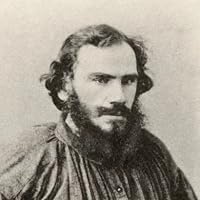
“In the legal respect, after the execution of the supposed incendiaries, the other half of Moscow burned down.”
― War and Peace
― War and Peace

“Fire on the cavalry!” cried an officer from behind them. Javert raised his musket and glared with one open eye at the approaching horde. His eyes trained on a man in white astride a large bay mount. The Mameluk cavalry had their curved swords wielded, and they shone in the sun like blinding jewels. Javert tried to decide whether he should hit the horse or the rider. Without hesitating, he made his decision and pulled the trigger.
The Mameluk cavalry rider’s arms flung upward as he was struck, and his body hurtled backward as though shoved by an invisible hand. The bay horse galloped onward in terror, leaving its master behind on the sand. The man’s white robes went scarlet around his belly, and he did not move again. Javert hurried to reload his musket, glancing over to see that Masse was sitting and staring over the battlefield in silence.”
― Wolves and Urchins: The Early Life of Inspector Javert
The Mameluk cavalry rider’s arms flung upward as he was struck, and his body hurtled backward as though shoved by an invisible hand. The bay horse galloped onward in terror, leaving its master behind on the sand. The man’s white robes went scarlet around his belly, and he did not move again. Javert hurried to reload his musket, glancing over to see that Masse was sitting and staring over the battlefield in silence.”
― Wolves and Urchins: The Early Life of Inspector Javert
“In his most thrilling military victory to date, Napoleon had defeated an Ottoman force eighteen thousand men strong at Aboukir. It had been Javert’s first real taste of battle, watching cannon fire blow ships into splinters and hearing the last screams of drowning men. The French army, stinking and spluttering with plague, had emerged victorious but exhausted. They had taken refuge in Alexandria, though it hardly felt safe. Very recently, Napoleon had left with a few of his nearest friends for a voyage into the Delta. Now Javert was just one of the confused mass left reeling in the wake of the chaos.”
― Wolves and Urchins: The Early Life of Inspector Javert
― Wolves and Urchins: The Early Life of Inspector Javert

“In Frederick Marryat's Mr. Midshipman Easy Jack's father, Mr. Easy, became a(n) ____________ as it was the very best profession a man can take up who is fit for nothing else. ”
― Mr. Midshipman Easy
― Mr. Midshipman Easy
“How gladly would I renounce for my whole life the warm food so common at home if I only did not lack good bread and beer now!”
― The Diary of a Napoleonic Foot Soldier
― The Diary of a Napoleonic Foot Soldier
“What was it like, she asked...being in the army? What was it truly like?
Truly?...Freezing cold when it wasn't boiling hot or pouring rain. Loud when it wasn't unbearably silent. Usually uncomfortable. Always filthy. Long stretches of boredom broken by by moments of sheer terror.”
― An Inconvenient Duke
Truly?...Freezing cold when it wasn't boiling hot or pouring rain. Loud when it wasn't unbearably silent. Usually uncomfortable. Always filthy. Long stretches of boredom broken by by moments of sheer terror.”
― An Inconvenient Duke

“What do you think it was like to come from a life involving years of hardship and turmoil and boredom and danger and responsibility, and battlefields that stank of blood and mud and worse, with the screams of and groans of the injured and dying-some of them your men and your friends-ringing in your ears? And then the war is over and you come back and try to fit into a society where people are dressed in satin, silk and lace, smelling of perfumes and their most serious problem is deciding who to dance with. Or what to order for dinner. Or how to dress their hair. Or what juicy snippets of gossip they can pass on.”
― The Scoundrel's Daughter
― The Scoundrel's Daughter

“What did you tell Cornichet?" he asked suddenly.
.."Nothing."
"I assume they only just started on you."
She didn't reply.
"What did they want to know?"
"What right do you have to take me prisoner?" she countered. "I'm no enemy of the English. I help the partisans, not the French."
"As long as there's some profit in it for you, as I understand it," he said, his voice a whip crack in the dim hovel. "Don't pretend to patriotic loyalty..."
"And just what business is it of yours?" she demanded furiously..."I've done you no harm. I don't interfere with the English army. You trample all over i> my country, behaving like God-given conquering heroes. All complacence and pomposity-"
..."The blood of Englishmen has watered this damnable peninsula for four interminable years, doing the work of your countrymen, trying to save you and your country from Napoleon's heel. I have lost more friends than I can count in the interests of your miserable land, and you speak against those men at your peril. Do you understand that?"
..."The English have their own reasons for being here," she retorted...England couldn't survive if Napoleon held Spain and Portugal. He'd close their ports to English trading, and you'd all starve to death."
They both knew she spoke the unvarnished truth....
1”
― Violet
.."Nothing."
"I assume they only just started on you."
She didn't reply.
"What did they want to know?"
"What right do you have to take me prisoner?" she countered. "I'm no enemy of the English. I help the partisans, not the French."
"As long as there's some profit in it for you, as I understand it," he said, his voice a whip crack in the dim hovel. "Don't pretend to patriotic loyalty..."
"And just what business is it of yours?" she demanded furiously..."I've done you no harm. I don't interfere with the English army. You trample all over i> my country, behaving like God-given conquering heroes. All complacence and pomposity-"
..."The blood of Englishmen has watered this damnable peninsula for four interminable years, doing the work of your countrymen, trying to save you and your country from Napoleon's heel. I have lost more friends than I can count in the interests of your miserable land, and you speak against those men at your peril. Do you understand that?"
..."The English have their own reasons for being here," she retorted...England couldn't survive if Napoleon held Spain and Portugal. He'd close their ports to English trading, and you'd all starve to death."
They both knew she spoke the unvarnished truth....
1”
― Violet
“What did you tell Cornichet?" he asked suddenly.
.."Nothing."
"I assume they only just started on you."
She didn't reply.
"What did they want to know?"
"What right do you have to take me prisoner?" she countered. "I'm no enemy of the English. I help the partisans, not the French."
"As long as there's some profit in it for you, as I understand it," he said, his voice a whip crack in the dim hovel. "Don't pretend to patriotic loyalty..."
"And just what business is it of yours?" she demanded furiously..."I've done you no harm. I don't interfere with the English army. You trample all over< i> my country, behaving like God-given conquering heroes. All complacence and pomposity-"
..."The blood of Englishmen has watered this damnable peninsula for four interminable years, doing the work of your countrymen, trying to save you and your country from Napoleon's heel. I have lost more friends than I can count in the interests of your miserable land, and you speak against those men at your peril. Do you understand that?"
..."The English have their own reasons for being here," she retorted...England couldn't survive if Napoleon held Spain and Portugal. He'd close their ports to English trading, and you'd all starve to death."
They both knew she spoke the unvarnished truth....”
― Violet
.."Nothing."
"I assume they only just started on you."
She didn't reply.
"What did they want to know?"
"What right do you have to take me prisoner?" she countered. "I'm no enemy of the English. I help the partisans, not the French."
"As long as there's some profit in it for you, as I understand it," he said, his voice a whip crack in the dim hovel. "Don't pretend to patriotic loyalty..."
"And just what business is it of yours?" she demanded furiously..."I've done you no harm. I don't interfere with the English army. You trample all over< i> my country, behaving like God-given conquering heroes. All complacence and pomposity-"
..."The blood of Englishmen has watered this damnable peninsula for four interminable years, doing the work of your countrymen, trying to save you and your country from Napoleon's heel. I have lost more friends than I can count in the interests of your miserable land, and you speak against those men at your peril. Do you understand that?"
..."The English have their own reasons for being here," she retorted...England couldn't survive if Napoleon held Spain and Portugal. He'd close their ports to English trading, and you'd all starve to death."
They both knew she spoke the unvarnished truth....”
― Violet

“You like to read?" Reading was one of David's favorite things to do. So much more enjoyable than talking or exchanging pleasantries with strangers.
"Yes, do you?" she asked, a hopeful look on her face.
"Indeed, I do....I regretted that I could only fit one book in my rucksack on the Continent."
.."Oh, do tell me, what was it?"
"In English you would call it The Ingenious Gentleman Don Quixote of Lamancha, but I had the Spanish version."
"..Don Quixote. A comedy is it not?'
..."Marianne gave it to me. She said I would need something silly to cheer me on the battlefield. But I read it so many times, I must say my opinion of the book changed, more than once."
"How so?", she asked...
"At first I thought it was a comedy, then I came to regard it as a tragic novel, because Quixote was considered mad and treated like a lunatic. But in the end I found it life-changing."
.."How so?"
"The book save my life, in more ways than one. Reading it kept me sane all those long, sleepless nights in the cold...."
"How else did it save your life?" Lady Annabelle asked...
.."It quite literally saved me from death. When the French captured me and a small group of my men, they began executing the officers. Only when they got to me, they rifled through my rucksack and when they saw the book, they realized I could speak Spanish. That was of use to them so they kept me alive as an interpreter.”
― Earl Lessons
"Yes, do you?" she asked, a hopeful look on her face.
"Indeed, I do....I regretted that I could only fit one book in my rucksack on the Continent."
.."Oh, do tell me, what was it?"
"In English you would call it The Ingenious Gentleman Don Quixote of Lamancha, but I had the Spanish version."
"..Don Quixote. A comedy is it not?'
..."Marianne gave it to me. She said I would need something silly to cheer me on the battlefield. But I read it so many times, I must say my opinion of the book changed, more than once."
"How so?", she asked...
"At first I thought it was a comedy, then I came to regard it as a tragic novel, because Quixote was considered mad and treated like a lunatic. But in the end I found it life-changing."
.."How so?"
"The book save my life, in more ways than one. Reading it kept me sane all those long, sleepless nights in the cold...."
"How else did it save your life?" Lady Annabelle asked...
.."It quite literally saved me from death. When the French captured me and a small group of my men, they began executing the officers. Only when they got to me, they rifled through my rucksack and when they saw the book, they realized I could speak Spanish. That was of use to them so they kept me alive as an interpreter.”
― Earl Lessons
“Many who read this, especially in these peaceful times, may suppose this was a cruel and unnecessary severity under the dreadful and harassing circumstances of that retreat; but I, who was there, and was, besides, a common soldier of the very regiment to which these men belonged, say it was quite necessary. No man but one formed of stuff like General Craufurd could have saved the brigade from perishing altogether; and, if he flogged two, he saved hundreds from death by his management. I detest the sight of the lash; but I am convinced the British army can never go on without it.”
―
―

“You are a monster of selfishness and greed, bearing no loyalty to anyone but yourself, and you prance across the stage and preen as if ennobled by your inconstancy. You are the rot at the heart of France, and it must be rooted out for the sake of the country.”
― A Lark's Conceit
― A Lark's Conceit
“in the outcomes of the greatest movements in German history—the Reformation and the Peasant War, the events of the period of the French Revolution and the Napoleonic wars, the Revolution of 1848 and the movement for the national unification of Germany. In all these major events the scales turned, in the long run, in favour of the reactionary classes.”
― Marx and Engels on Reactionary Prussianism
― Marx and Engels on Reactionary Prussianism

“In Gretons-sur-Mer, the villagers, through the auspicious care of the Bouletiers, returned to their human form. Sometimes they wondered, looking at their reflection on the surface of water or on the rounded shine of a pewter pitcher, if a part of them had remained beastly, if the whiskers atop their lips had been there before. They wondered, stroking the spot, and mused on their transformation, to that time of war when the fabric of life was briefly woven with magic.”
― The Kindness of Terrible People and Other Stories
― The Kindness of Terrible People and Other Stories
All Quotes
|
My Quotes
|
Add A Quote
Browse By Tag
- Love Quotes 102.5k
- Life Quotes 81k
- Inspirational Quotes 77.5k
- Humor Quotes 45.5k
- Philosophy Quotes 32k
- Inspirational Quotes Quotes 28.5k
- God Quotes 27k
- Wisdom Quotes 25k
- Romance Quotes 25k
- Truth Quotes 25k
- Poetry Quotes 24.5k
- Life Lessons Quotes 23k
- Quotes Quotes 21.5k
- Death Quotes 21k
- Happiness Quotes 19k
- Hope Quotes 19k
- Faith Quotes 18.5k
- Inspiration Quotes 18k
- Relationships Quotes 16k
- Spirituality Quotes 16k
- Motivational Quotes 16k
- Religion Quotes 15.5k
- Life Quotes Quotes 15.5k
- Writing Quotes 15k
- Love Quotes Quotes 15k
- Success Quotes 14.5k
- Motivation Quotes 14k
- Time Quotes 13k
- Science Quotes 12.5k
- Motivational Quotes Quotes 12k