
Discover new books on Goodreads
Meet your next favorite book




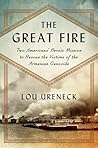
Smyrna, for all that it represents, ought to appear in the same list of place names that carry the burdens of history: Sarajevo and Yalta, for their failures of diplomacy; and Treblinka, Bosnia, and Rwanda for the scale of the killing.

“On a visit to a mosque that had been formerly been an Armenian church in the town of Antep (now Gaziantep), the current custodian, the imam, happened to be inside. The imam suggested to the bishop that this holy space belonged to both of them and they prayed together. If politicians in Ankara warned that the ordinary population of Eastern Anatolia was still hostile toward Armenians, this was not the impression our group received. On the contrary, many people not only remembered Armenians but seemed to think that their return was a good omen.”
― Great Catastrophe: Armenians and Turks in the Shadow of Genocide
― Great Catastrophe: Armenians and Turks in the Shadow of Genocide

“Thomas Bailey, a diplomatic historian, has asserted that the dey of Algiers might deserve “indirect” credit as one of the “Founding Fathers” of the United States because the plight of the imprisoned Americans did so much to prove the need for a new federal Constitution, with a system of taxation that could raise the funds to pay for their ransom.”
― Thomas Jefferson's Qur'an: Islam and the Founders
― Thomas Jefferson's Qur'an: Islam and the Founders
“Many of those who survived stressed that they did so due to Muslim families like these, or else to the bravery of ordinary “good Turks,” and also Kurds, who protected Armenians. For example, a survivor from Adana said, “We were like brothers. Our Turks said later, ‘Whoever was the cause of this genocide, may God blind his eyes.’ They did not wish our death. In fact if it weren’t for these good Turks, we would all have been killed, too. All the orders came from Istanbul.”38”
― Great Catastrophe: Armenians and Turks in the Shadow of Genocide
― Great Catastrophe: Armenians and Turks in the Shadow of Genocide

“Belediye binasının ikinci katındaki Rizeli, kuyruktaki vatandaşları azarlayan önemli ve meşgul bir adamdı.”
―
―
“German Protestant woodcuts from the sixteenth century depict Luther’s vision of the Antichrist as a beast with two heads—one a mitered pope and the other a turbaned Ottoman sultan.”
― Thomas Jefferson's Qur'an: Islam and the Founders
― Thomas Jefferson's Qur'an: Islam and the Founders

Mustafa’s 2025 Year in Books
Take a look at Mustafa’s Year in Books, including some fun facts about their reading.

187 books
|
47 friends

205 books
|
38 friends

261 books
|
7 friends

48 books
|
81 friends

1 book
|
1 friend

28 books
|
93 friends

32 books
|
54 friends

0 books
|
70 friends
More friends…
Favorite Genres
Polls voted on by Mustafa
Lists liked by Mustafa