
Discover new books on Goodreads
Meet your next favorite book

Marcin Piątkowski
https://www.goodreads.com/marcin_piatkowski


to-read
(1338)
currently-reading (12)
read (87)
did-not-finish (0)
social-studies (55)
religious-studies (22)
philosophy (18)
history (16)
occult (13)
queer-studies (10)
activism (9)
japan (9)
currently-reading (12)
read (87)
did-not-finish (0)
social-studies (55)
religious-studies (22)
philosophy (18)
history (16)
occult (13)
queer-studies (10)
activism (9)
japan (9)
jewish
(9)
psychology (8)
gender-studies (7)
israel (7)
politics (7)
buddhist (6)
india (6)
crime (5)
palestine (5)
weird (5)
anthropology (4)
environmental-studies (4)
psychology (8)
gender-studies (7)
israel (7)
politics (7)
buddhist (6)
india (6)
crime (5)
palestine (5)
weird (5)
anthropology (4)
environmental-studies (4)
Marcin Piątkowski
is currently reading
bookshelves:
currently-reading,
environmental-studies,
history,
geography,
linguistics,
social-studies

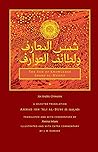
“The womb is where babies are created, and grown, and from where they are birthed. It is the home of our creativity, the wellspring of our vital feminine energies. The womb is the matrix from which our life force rises and to which it returns. It is the hub of our energetic and physical bodies. The womb is also where we experience death. Our moon blood, our menstruation, is a sign that an ovum (...) has died without being fertilized by the sperm (...); it passes out of our bodies with the now unneeded uterine lining that the womb created for the possibility of growing a baby. Without fertilization, this living-nourishing matrix dies and leaves our bodies in our monthly flow (which by the way is one of the most concentrated forms of śakti in our bodies).”
― In Praise of Adya Kali: Approaching the Primordial Dark Goddess Through the Song of Her Hundred Names
― In Praise of Adya Kali: Approaching the Primordial Dark Goddess Through the Song of Her Hundred Names

“Bo obawiać się śmierci, obywatele, to nic innego nie jest, jak tylko mieć się za mądrego, choć się nim nie jest. Bo to znaczy myśleć, że się wie to, czego człowiek nie wie. Bo przecież o śmierci żaden człowiek nie wie, czy czasem nie jest dla nas największym ze wszystkich dobrem, a tak się jej ludzie boją, jakby dobrze wiedzieli, że jest największym złem. A czyż to nie jest głupota, i to ta najpaskudniejsza myśleć, że się wie to, czego człowiek nie wie?
~ Platon, Obrona Sokratesa (w przekładzie Władysława Witwickiego)”
― Obrona Sokratesa
~ Platon, Obrona Sokratesa (w przekładzie Władysława Witwickiego)”
― Obrona Sokratesa

“W piątym wieku większym powodzeniem cieszyć się musiąła filozofia inna, przywieziona też z wybrzeży jońskich, ale rozwinięta i ugruntowana na ziemi ateńskiej. Poczęła się w głowie zaciętego arystokraty, który na tłum ciemny i demokratyczny patrzał z góry i ze wstrętem, a jednak myśli jego rozwinięte przez innych miały być dla niejednego członka demokracji ateńskiej drabiną w karierze i osią poglądu na świat. Oto w gorących czasach powstania Jończyków i Maratonu pisał Heraklit z Efezu w Azji Mniejszej dzieła niełatwe do czytania, bo nie pisał dla wszystkich, ale dla siebie i dla kilku. Nie odpowiadał mu eleacki byt niezmienny, stały, wiecznie jeden i ten sam. Świat pełen ciągłych, tysiącznych, prawidłowych zmian przedstawiał mu się jak falująca powierzchnia morza, coraz to inna, a prawidłowa i pozornie wciąż ta sama; niby płomień migotliwy, który ani chwili nie trwa w jednakiej formie, tak jak trwa bryła lodu; uważał, że świat to ciągła odmiana, ciągłe rozdwojenie i walka sprzecznych pierwiastków. Jednakże nie chaos, bo w walce tej jest pewien sens; szereg pędzących zmian jest rozumny; jest w tym wszystkim pewna myśl, pewien mus, konieczność; wszechświat jako całość jest niby akord harmonijny, mimo cale zróżnicowanie elementów składowych, jest niby melodia coraz to inna, a jednak określona i prawidłowa. Spoczynku, trwania, martwoty w świecie nie masz. Jak przydrożne topole mijają człowieka pędzącego na wozie i są coraz to inne, mimo że jedna przypomina drugą, tak mijają nas, pędzących ku mecie śmierci, chwile i rzeczy pozornie tylko te same, a naprawdę wciąż o jedną chwilę starsze, wciąż o jakąś choćby odrobinę inne. Nic nie jest ani przez chwilę jednym i tym samym; dwa razy do „tej samej” rzeki nie wstąpisz. Świat jest jak rzeka albo jak płomień.”
― Obrona Sokratesa. Kriton. Uczta
― Obrona Sokratesa. Kriton. Uczta
“Czasoprzestrzeń jest rozbłyskiem absolutnej świadomości, przejawiającej się w „kosmogonicznej erupcji" poprzez drgania energii, w „śiwaizmie kaszmirskim” zwane spanda. Energia ta występuje w postaci fal o różnej częstotliwości, tworząc trzy guny, na bazie których powstaje wielość skupień atomowych. Dochodzi w ten sposób do ewolucyjnej (parinama) przemiany absolutnej świadomości, podczas której pierwotna zasada staje się myślami i uczuciami, staje się atomami oraz oddziaływaniem występującym między elementami materii, nie tracąc własnej jedności — będąc immanentną pozostaje transcendentna. W człowieku, co jest elementem tego procesu ewolucji, świadomość absolutna zawęża się do świadomości jednostkowej, do myślenia empirycznego i odczuwania. Zjawisko to można porównać do skraplania się pary wodnej, przy czym podgrzewana woda to świadomość absolutna, para wodna to pramateria, prakriti, a krople wody, będące wynikiem jej ochładzania, to poszczególne świadomości indywidualne. Każda ze świadomości indywidualnych, tak jak krople wody w procesie wrzenia, parowania i skraplania, oddaliła się od swego źródła. Każda przez obecność tamasu, radżasu i sattwy zmieniła swą wyjściową strukturę, „straciła” transcendencję, co spowodowało jej brak wglądu w monistyczną istotę rzeczywistości.”
― Odchodząc od złudzenia
― Odchodząc od złudzenia

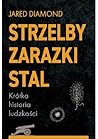
“Rzecz w tym, że rozwój kapitalizmu i rewolucja przemysłowa w Europie nie wzięły się znikąd. Stały się one możliwe dzięki towarom produkowanym przez niewolników na terenach zagrabionych skolonizowanym ludom oraz przetwarzanym w fabrykach obsadzonych europejskimi chłopami, których siłą pozbawiono dostępu do ziemi przez grodzenia. Zwykle rozpatrujemy każdy z tych procesów osobno, tymczasem wszystkie one były elementami tego samego projektu i opierały się na tej samej logice. Grodzenia stanowiły proces kolonizacji wewnętrznej, kolonizacja zaś była w istocie procesem ogradzania. Europejscy chłopi zostali wyzuci z ziemi tak samo jak rdzenni Amerykanie (choć trzeba przyznać, że tych ostatnich spotykał o wiele gorszy los — nie przyznawano im żadnych praw, a nieraz nawet negowano ich człowieczeństwo). Handel niewolnikami zaś to nic innego jak grodzenie i kolonizacja ludzkich ciał, zawłaszczanych tak jak ziemia w celu akumulacji nadwyżki i tak jak ziemia traktowanych jako czyjaś własność.”
― Less Is More: How Degrowth Will Save the World
― Less Is More: How Degrowth Will Save the World
 Goodreads Librarians Group
— 340913 members
— last activity 2 minutes ago
Goodreads Librarians Group
— 340913 members
— last activity 2 minutes ago
Goodreads Librarians are volunteers who help ensure the accuracy of information about books and authors in the Goodreads' catalog. The Goodreads Libra ...more
 Jewish Book Club
— 1491 members
— last activity 21 hours, 37 min ago
Jewish Book Club
— 1491 members
— last activity 21 hours, 37 min ago
For those who share an interest in reading and discussing Jewish books of all sorts. The basic requirement for the books is that they have a Jewish th ...more
 Gays of Goodreads
— 3817 members
— last activity Sep 22, 2026 11:13AM
Gays of Goodreads
— 3817 members
— last activity Sep 22, 2026 11:13AM
everyone welcome! let's all find cute, bookish (boy)friends. ...more
 Manga & Anime Lovers
— 2561 members
— last activity Sep 08, 2026 07:13AM
Manga & Anime Lovers
— 2561 members
— last activity Sep 08, 2026 07:13AM
Do you like to read comics like Fairy Tail? One Piece? The Black Butler? Bleach? Or any other manga out there. If so, this is the group for you. In th ...more
 Jewish Genre Reading Challenge
— 174 members
— last activity Aug 25, 2026 01:52AM
Jewish Genre Reading Challenge
— 174 members
— last activity Aug 25, 2026 01:52AM
The idea behind the Jewish Genre Reading Challenge is to read books with Jewish main characters across many different genres of books, with a focus on ...more


Marcin’s 2025 Year in Books
Take a look at Marcin’s Year in Books, including some fun facts about their reading.

1,529 books
|
130 friends

3,756 books
|
303 friends

5,530 books
|
107 friends

4,336 books
|
4,846 friends

1,953 books
|
48 friends

730 books
|
26 friends

2,453 books
|
2,269 friends

42 books
|
241 friends
More friends…


Polls voted on by Marcin
Lists liked by Marcin