
Discover new books on Goodreads
Meet your next favorite book



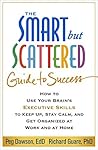


Paul began researching the book, searching the professional literature for relevant studies. Many articles discussed the difficulties of treating borderline clients, whom some practitioners view as being needy, challenging, and slow to
...more
Andreas Hofer liked this


“Jeff Dahl, a lawyer who worked personal injury claims in Florida for more than a decade, illustrates the ways that stagecraft—while manipulative—can be in everyone’s best interest. Florida, like many other states, likes to see lawsuits handled through mediation rather than cluttering up the court system. One time Dahl was serving as mediator between a thirty-year-old plaintiff, who had been injured in an automobile accident, and an insurance company. Dahl put the plaintiff and his lawyer in one room, and the insurance representative across the hall in another room. Both rooms had glass walls and afforded a full view of the opposing party. Dahl spent the better part of the next two hours moving from one room to the other, patiently hearing out each side and validating their concerns. The insurance company agreed to pay seventy thousand dollars, which Dahl knew was exactly the figure the plaintiff wanted, so Dahl expected to conclude the deal. Unfortunately, when the plaintiff received the offer he became temporarily intoxicated by the prospect of money and indicated that he wanted to hold out for more. Dahl knew that the insurance representative was not authorized to pay additional money. Fearing that the mediation would devolve into a bitter lawsuit, Dahl opted to engage in a little drama. Dahl marched into the room where the insurance rep sat waiting to hear that the plaintiff had accepted his offer. Instead of relaying the fact that the plaintiff now wanted even more money, Dahl said, “I need to know you are serious about this seventy thousand dollars and that it’s your best offer. If this is truly the case, you can communicate that to me in earnest by packing up your briefcase and leaving. After all, there is nothing more for us to do here.” At Dahl’s suggestion, the rep began packing to leave. Dahl used this opportunity to rush, panicked, to the plaintiff across the hall. “Oh no!” Dahl warned, “The rep is leaving and taking his offer with him! You’d better agree to the deal quickly, so that everyone can go home happy.” Minutes later, the parties got together to sign the papers. It’s important to remember that while what Dahl did was manipulative in the purest sense of the word, it was also intended to benefit all parties equally—and it succeeded in doing so.”
― The Upside of Your Dark Side: Why Being Your Whole Self--Not Just Your "Good" Self--Drives Success and Fulfillment
― The Upside of Your Dark Side: Why Being Your Whole Self--Not Just Your "Good" Self--Drives Success and Fulfillment
“It is always easier to edit what has been written than to write what has not been started.”
―
―

“30. *Appropriate actions are largely set by our social relationships. In the case of one’s father, this involves looking after him, letting him have his way in everything, and not making a fuss if he is abusive or violent. “But what if he’s a bad father? ” Do you think you have a *natural affinity only to a good father? “No, just to a father.” Suppose your brother treats you badly. In that case, maintain your fraternal relationship to him. Don’t think about why he behaves that way but about what you need to do to keep your will in harmony with nature. No one else, in fact, will harm you without your consent; you will be harmed only when you think you are being harmed. So make a habit of studying your social relationships – with neighbors, citizens, or army officers – and then you will discover the appropriate thing to do.”
― How to Be Free: An Ancient Guide to the Stoic Life
― How to Be Free: An Ancient Guide to the Stoic Life
“What’s the point of living if you don’t live.”
―
―
“Being an entrepreneur cannot be defined by your successes until it has been built by your failures.”
―
―

Cody’s 2025 Year in Books
Take a look at Cody’s Year in Books, including some fun facts about their reading.

46 books
|
264 friends

1,459 books
|
632 friends

529 books
|
139 friends

324 books
|
120 friends

2,048 books
|
204 friends

616 books
|
107 friends

233 books
|
172 friends

387 books
|
245 friends
More friends…


Favorite Genres
Polls voted on by Cody
Lists liked by Cody