
Discover new books on Goodreads
Meet your next favorite book






“Satan finds some mischief still, for idle hands to do'...He might have written with as much truth, 'Satan finds some mischief for busy hands too.' The busy people achieve their full share of mischief in the world, you may rely upon it. What have the people been about, who have been the busiest in getting money, and in getting power, this century or two? No mischief?”
―
―
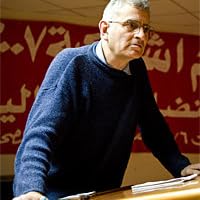
“The reality [of what life was like for the whole of our species for at least 90 percent of its history] was very different to the traditional Western image of such people as uncultured 'savages', living hard and miserable lives in 'a state of nature', with a bitter and bloody struggle to wrest a livelihood matched by a 'war of all against all', which made life 'nasty, brutish and short'.
People lived in loose-knit groups of 30 or 40 which might periodically get together with other groups in bigger gatherings of up to 200. But life in such 'band societies' was certainly no harder than for many millions of people living in more 'civilised' agricultural or industrial societies. One eminent anthropologist has even called them 'the original affluent society'.
...An early Jesuit missionary noted of another hunter-gathering people, the Montagnais of Canada, 'The two tyrants who provide hell and torture for many of our Europeans do not reign in their great forests--I mean ambition and avarice...not one of them has given himself to the devil to acquire wealth'.
...Richard Lee is quite right to insist: "It is the long experience of egalitarian sharing that has moulded our past. Despite our seeming adaptation to life in hierarchical societies, and despite the rather dismal track record of human rights in many parts of the world, there are signs that humankind retains a deep-rooted sense of egalitarianism, a deep-rooted commitment to the norm of reciprocity, a deep-rooted...sense of community.”
― A People's History of the World
People lived in loose-knit groups of 30 or 40 which might periodically get together with other groups in bigger gatherings of up to 200. But life in such 'band societies' was certainly no harder than for many millions of people living in more 'civilised' agricultural or industrial societies. One eminent anthropologist has even called them 'the original affluent society'.
...An early Jesuit missionary noted of another hunter-gathering people, the Montagnais of Canada, 'The two tyrants who provide hell and torture for many of our Europeans do not reign in their great forests--I mean ambition and avarice...not one of them has given himself to the devil to acquire wealth'.
...Richard Lee is quite right to insist: "It is the long experience of egalitarian sharing that has moulded our past. Despite our seeming adaptation to life in hierarchical societies, and despite the rather dismal track record of human rights in many parts of the world, there are signs that humankind retains a deep-rooted sense of egalitarianism, a deep-rooted commitment to the norm of reciprocity, a deep-rooted...sense of community.”
― A People's History of the World

“Then out spake brave Horatius,
The Captain of the gate:
‘To every man upon this earth
Death cometh soon or late.
And how can man die better
Than facing fearful odds,
For the ashes of his fathers,
And the temples of his Gods,
‘And for the tender mother
Who dandled him to rest,
And for the wife who nurses
His baby at her breast,
And for the holy maidens
Who feed the eternal flame,
To save them from false Sextus
That wrought the deed of shame?
‘Hew down the bridge, Sir Consul,
With all the speed ye may;
I, with two more to help me,
Will hold the foe in play.
In yon strait path a thousand
May well be stopped by three.
Now who will stand on either hand,
And keep the bridge with me?
Then out spake Spurius Lartius;
A Ramnian proud was he:
‘Lo, I will stand at thy right hand,
And keep the bridge with thee.’
And out spake strong Herminius;
Of Titian blood was he:
‘I will abide on thy left side,
And keep the bridge with thee.’
‘Horatius,’ quoth the Consul,
‘As thou sayest, so let it be.’
And straight against that great array
Forth went the dauntless Three.
For Romans in Rome’s quarrel
Spared neither land nor gold,
Nor son nor wife, nor limb nor life,
In the brave days of old.
Then none was for a party;
Then all were for the state;
Then the great man helped the poor,
And the poor man loved the great:
Then lands were fairly portioned;
Then spoils were fairly sold:
The Romans were like brothers
In the brave days of old.
Now Roman is to Roman
More hateful than a foe,
And the Tribunes beard the high,
And the Fathers grind the low.
As we wax hot in faction,
In battle we wax cold:
Wherefore men fight not as they fought
In the brave days of old.”
― Horatius
The Captain of the gate:
‘To every man upon this earth
Death cometh soon or late.
And how can man die better
Than facing fearful odds,
For the ashes of his fathers,
And the temples of his Gods,
‘And for the tender mother
Who dandled him to rest,
And for the wife who nurses
His baby at her breast,
And for the holy maidens
Who feed the eternal flame,
To save them from false Sextus
That wrought the deed of shame?
‘Hew down the bridge, Sir Consul,
With all the speed ye may;
I, with two more to help me,
Will hold the foe in play.
In yon strait path a thousand
May well be stopped by three.
Now who will stand on either hand,
And keep the bridge with me?
Then out spake Spurius Lartius;
A Ramnian proud was he:
‘Lo, I will stand at thy right hand,
And keep the bridge with thee.’
And out spake strong Herminius;
Of Titian blood was he:
‘I will abide on thy left side,
And keep the bridge with thee.’
‘Horatius,’ quoth the Consul,
‘As thou sayest, so let it be.’
And straight against that great array
Forth went the dauntless Three.
For Romans in Rome’s quarrel
Spared neither land nor gold,
Nor son nor wife, nor limb nor life,
In the brave days of old.
Then none was for a party;
Then all were for the state;
Then the great man helped the poor,
And the poor man loved the great:
Then lands were fairly portioned;
Then spoils were fairly sold:
The Romans were like brothers
In the brave days of old.
Now Roman is to Roman
More hateful than a foe,
And the Tribunes beard the high,
And the Fathers grind the low.
As we wax hot in faction,
In battle we wax cold:
Wherefore men fight not as they fought
In the brave days of old.”
― Horatius
“Christianity had not started off as the ideology of an empire. Virtually nothing is known about its supposed founder, Jesus of Nazareth. There is not even any definite proof he was a historical rather than a mythical figure. Certainly the proof is not to be found in the Christian New Testament. It claims his birth was in Bethlehem in the Roman province of Judaea, where his family had gone for a census during the time of Augustus. But there was no census at the time stated and Judaea was not a Roman province at the time. When a census was held in AD 7 it did not require anyone to leave their place of residence. Similarly, the New Testament locates Jesus’s birth as in the time of King Herod, who died in 4 BC. Roman and Greek writers of the time make no mention of Jesus and a supposed reference by the Jewish-Roman writer Josephus is almost certainly a result of the imagination of medieval monks.100”
― A People's History of the World: From the Stone Age to the New Millennium
― A People's History of the World: From the Stone Age to the New Millennium
“Humanity increased its degree of control over nature, but at the price of most people becoming subject to control and exploitation by privileged minority groups.”
― A People's History of the World: From the Stone Age to the New Millennium
― A People's History of the World: From the Stone Age to the New Millennium

Ciza’s 2025 Year in Books
Take a look at Ciza’s Year in Books, including some fun facts about their reading.

301 books
|
184 friends

567 books
|
200 friends

4 books
|
32 friends

2 books
|
622 friends

4 books
|
132 friends

6 books
|
21 friends

2 books
|
300 friends

1 book
|
42 friends
More friends…


Favorite Genres
Polls voted on by Ciza
Lists liked by Ciza