
Discover new books on Goodreads
Meet your next favorite book


“I see a beautiful city and a brilliant people rising from this abyss. I see the lives for which I lay down my life, peaceful, useful, prosperous and happy. I see that I hold a sanctuary in their hearts, and in the hearts of their descendants, generations hence. It is a far, far better thing that I do, than I have ever done; it is a far, far better rest that I go to than I have ever known.”
― A Tale of Two Cities
― A Tale of Two Cities
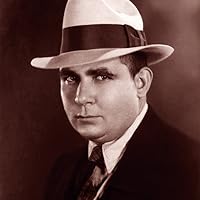
“I have known many gods. He who denies them is as blind as he who trusts them too deeply. I seek not beyond death. It may be the blackness averred by the Nemedian skeptics, or Crom's realm of ice and cloud, or the snowy plains and vaulted halls of the Nordheimer's Valhalla. I know not, nor do I care. Let me live deep while I live; let me know the rich juices of red meat and stinging wine on my palate, the hot embrace of white arms, the mad exultation of battle when the blue blades flame and crimson, and I am content. Let teachers and philosophers brood over questions of reality and illusion. I know this: if life is illusion, then I am no less an illusion, and being thus, the illusion is real to me. I live, I burn with life, I love, I slay, and am content.”
― Queen of the Black Coast
― Queen of the Black Coast
“It was the best of times, it was the worst of times, it was the age of wisdom, it was the age of foolishness, it was the epoch of belief, it was the epoch of incredulity, it was the season of light, it was the season of darkness, it was the spring of hope, it was the winter of despair.”
― A Tale of Two Cities
― A Tale of Two Cities

“No man has the right to be an amateur in the matter of physical training. It is a shame for a man to grow old without seeing the beauty and strength of which his body is capable.”
―
―

“How glorious it is – and also how painful – to be an exception. ”
―
―

v’s 2025 Year in Books
Take a look at v’s Year in Books, including some fun facts about their reading.

4,092 books
|
200 friends

964 books
|
345 friends

588 books
|
18 friends

928 books
|
1,717 friends

740 books
|
259 friends

844 books
|
36 friends

1,556 books
|
11 friends

669 books
|
84 friends
More friends…
Polls voted on by v
Lists liked by v