
Discover new books on Goodreads
Meet your next favorite book


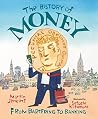
The coins had a value that was a bit higher than the actual value of the metal in them, which meant that the rulers of the states could make a profit from minting them.



“In its nomadic hominid youth, the brain was continually refreshing its mental map to adapt to changing weather, terrain, and predators. Retrieval strength evolved to update information quickly, keeping the most relevant details handy. It lives for the day. Storage strength, on the other hand, evolved so that old tricks could be relearned, and fast, if needed. Seasons pass, but they repeat; so do weather and terrain. Storage strength plans for the future.”
― How We Learn: The Surprising Truth About When, Where, and Why It Happens
― How We Learn: The Surprising Truth About When, Where, and Why It Happens
“The technique is called distributed learning or, more commonly, the spacing effect. People learn at least as much, and retain it much longer, when they distribute—or “space”—their study time than when they concentrate it.”
― How We Learn: The Surprising Truth About When, Where, and Why It Happens
― How We Learn: The Surprising Truth About When, Where, and Why It Happens
“Since we cannot predict the context in which we’ll have to perform, we’re better off varying the circumstances in which we prepare. We need to handle life’s pop quizzes, its spontaneous pickup games and jam sessions, and the traditional advice to establish a strict practice routine is no way to do so. On the contrary: Try another room altogether. Another time of day. Take the guitar outside, into the park, into the woods. Change cafés. Switch practice courts. Put on blues instead of classical. Each alteration of the routine further enriches the skills being rehearsed, making them sharper and more accessible for a longer period of time. This kind of experimenting itself reinforces learning, and makes what you know increasingly independent of your surroundings.”
― How We Learn: The Surprising Truth About When, Where, and Why It Happens
― How We Learn: The Surprising Truth About When, Where, and Why It Happens
“reminiscence is strong for imagery, for photographs, drawings, paintings—and poetry, with its word-pictures.”
― How We Learn: The Surprising Truth About When, Where, and Why It Happens
― How We Learn: The Surprising Truth About When, Where, and Why It Happens
“Answering does not only measure what you remember, it increases overall retention.”
― How We Learn: The Surprising Truth About When, Where, and Why It Happens
― How We Learn: The Surprising Truth About When, Where, and Why It Happens

Suze’s 2025 Year in Books
Take a look at Suze’s Year in Books, including some fun facts about their reading.


Favorite Genres
Polls voted on by Suze
Lists liked by Suze