
Discover new books on Goodreads
Meet your next favorite book


to-read
(99)
currently-reading (6)
read (314)
did-not-finish (20)
blinkist-summaries (28)
fiction (180)
audiobooks (96)
fiction-young-adult (68)
fiction-classics (64)
currently-reading (6)
read (314)
did-not-finish (20)
blinkist-summaries (28)
fiction (180)
audiobooks (96)
fiction-young-adult (68)
fiction-classics (64)
christianity
(50)
religion (48)
science (48)
history (46)
cult-classics (45)
favourites (45)
biography (43)
spirituality (32)
psychology (29)
religion (48)
science (48)
history (46)
cult-classics (45)
favourites (45)
biography (43)
spirituality (32)
psychology (29)


Now self-love is a restless, anxious, over-eager love, and so the work done on its behalf is troubled, vexatious, and unsatisfactory;—whereas the love of God is calm, peaceful, and tranquil, and so the work done for its sake, even in
...more


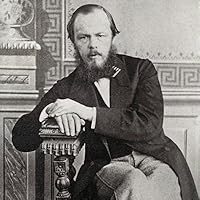
“For men are made for happiness, and any one who is completely happy has a right to say to himself, ‘I am doing God's will on earth.’ All the righteous, all the saints, all the holy martyrs were happy.”
― The Brothers Karamazov
― The Brothers Karamazov

“But I don't want comfort. I want God, I want poetry, I want real danger, I want freedom, I want goodness. I want sin.”
― Brave New World
― Brave New World
“The difference between America and England is that Americans think 100 years is a long time, while the English think 100 miles is a long way.”
―
―
“It is not miracles that dispose realists to belief. The genuine realist, if he is an unbeliever, will always find strength and ability to disbelieve in the miraculous, and if he is confronted with a miracle as an irrefutable fact he would rather disbelieve his own senses than admit the fact. Even if he admits it, he admits it as a fact of nature till then unrecognized by him. Faith does not, in the realist, spring from the miracle but the miracle from faith. If the realist once believes, then he is bound by his very realism to admit the miraculous also.”
― The Brothers Karamazov
― The Brothers Karamazov

“Good. Item seven. The had had and that that problem. Lady Cavendish, weren’t you working on this?’
Lady Cavendish stood up and gathered her thoughts. ‘Indeed. The uses of had had and that that have to be strictly controlled; they can interrupt the imaginotransference quite dramatically, causing readers to go back over the sentence in confusion, something we try to avoid.’
‘Go on.’
‘It’s mostly an unlicensed-usage problem. At the last count David Copperfield alone had had had had sixty three times, all but ten unapproved. Pilgrim’s Progress may also be a problem due to its had had/that that ratio.’
‘So what’s the problem in Progress?’
‘That that had that that ten times but had had had had only thrice. Increased had had usage had had to be overlooked, but not if the number exceeds that that that usage.’
‘Hmm,’ said the Bellman, ‘I thought had had had had TGC’s approval for use in Dickens? What’s the problem?’
‘Take the first had had and that that in the book by way of example,’ said Lady Cavendish. ‘You would have thought that that first had had had had good occasion to be seen as had, had you not? Had had had approval but had had had not; equally it is true to say that that that that had had approval but that that other that that had not.’
‘So the problem with that other that that was that…?’
‘That that other-other that that had had approval.’
‘Okay’ said the Bellman, whose head was in danger of falling apart like a chocolate orange, ‘let me get this straight: David Copperfield, unlike Pilgrim’s Progress, had had had, had had had had. Had had had had TGC’s approval?’
There was a very long pause. ‘Right,’ said the Bellman with a sigh, ‘that’s it for the moment. I’ll be giving out assignments in ten minutes. Session’s over – and let’s be careful out there.”
― The Well of Lost Plots
Lady Cavendish stood up and gathered her thoughts. ‘Indeed. The uses of had had and that that have to be strictly controlled; they can interrupt the imaginotransference quite dramatically, causing readers to go back over the sentence in confusion, something we try to avoid.’
‘Go on.’
‘It’s mostly an unlicensed-usage problem. At the last count David Copperfield alone had had had had sixty three times, all but ten unapproved. Pilgrim’s Progress may also be a problem due to its had had/that that ratio.’
‘So what’s the problem in Progress?’
‘That that had that that ten times but had had had had only thrice. Increased had had usage had had to be overlooked, but not if the number exceeds that that that usage.’
‘Hmm,’ said the Bellman, ‘I thought had had had had TGC’s approval for use in Dickens? What’s the problem?’
‘Take the first had had and that that in the book by way of example,’ said Lady Cavendish. ‘You would have thought that that first had had had had good occasion to be seen as had, had you not? Had had had approval but had had had not; equally it is true to say that that that that had had approval but that that other that that had not.’
‘So the problem with that other that that was that…?’
‘That that other-other that that had had approval.’
‘Okay’ said the Bellman, whose head was in danger of falling apart like a chocolate orange, ‘let me get this straight: David Copperfield, unlike Pilgrim’s Progress, had had had, had had had had. Had had had had TGC’s approval?’
There was a very long pause. ‘Right,’ said the Bellman with a sigh, ‘that’s it for the moment. I’ll be giving out assignments in ten minutes. Session’s over – and let’s be careful out there.”
― The Well of Lost Plots
 Catholic Readers
— 2158 members
— last activity Sep 24, 2026 08:52AM
Catholic Readers
— 2158 members
— last activity Sep 24, 2026 08:52AM
A group for Catholics to discuss the (Catholic) books they're reading. Please read the group rules before joining and posting. Any promotion of mate ...more

Matthew’s 2025 Year in Books
Take a look at Matthew’s Year in Books, including some fun facts about their reading.

480 books
|
115 friends

783 books
|
79 friends

185 books
|
58 friends

832 books
|
73 friends

354 books
|
23 friends

221 books
|
66 friends

416 books
|
108 friends

756 books
|
80 friends
More friends…


Favorite Genres
Polls voted on by Matthew
Lists liked by Matthew