
Discover new books on Goodreads
Meet your next favorite book


“El secreto de una buena vejez no es mas que un pacto honrado con la soledad.”
― Cien Anos De Soledad/ One hundred Years of Solitude: Gabriel Garcia Marquez, Compendios Vosgos
― Cien Anos De Soledad/ One hundred Years of Solitude: Gabriel Garcia Marquez, Compendios Vosgos
“The best fantasy is written in the language of dreams. It is alive as dreams are alive, more real than real ... for a moment at least ... that long magic moment before we wake.
Fantasy is silver and scarlet, indigo and azure, obsidian veined with gold and lapis lazuli. Reality is plywood and plastic, done up in mud brown and olive drab. Fantasy tastes of habaneros and honey, cinnamon and cloves, rare red meat and wines as sweet as summer. Reality is beans and tofu, and ashes at the end. Reality is the strip malls of Burbank, the smokestacks of Cleveland, a parking garage in Newark. Fantasy is the towers of Minas Tirith, the ancient stones of Gormenghast, the halls of Camelot. Fantasy flies on the wings of Icarus, reality on Southwest Airlines. Why do our dreams become so much smaller when they finally come true?
We read fantasy to find the colors again, I think. To taste strong spices and hear the songs the sirens sang. There is something old and true in fantasy that speaks to something deep within us, to the child who dreamt that one day he would hunt the forests of the night, and feast beneath the hollow hills, and find a love to last forever somewhere south of Oz and north of Shangri-La.
They can keep their heaven. When I die, I'd sooner go to middle Earth.”
―
Fantasy is silver and scarlet, indigo and azure, obsidian veined with gold and lapis lazuli. Reality is plywood and plastic, done up in mud brown and olive drab. Fantasy tastes of habaneros and honey, cinnamon and cloves, rare red meat and wines as sweet as summer. Reality is beans and tofu, and ashes at the end. Reality is the strip malls of Burbank, the smokestacks of Cleveland, a parking garage in Newark. Fantasy is the towers of Minas Tirith, the ancient stones of Gormenghast, the halls of Camelot. Fantasy flies on the wings of Icarus, reality on Southwest Airlines. Why do our dreams become so much smaller when they finally come true?
We read fantasy to find the colors again, I think. To taste strong spices and hear the songs the sirens sang. There is something old and true in fantasy that speaks to something deep within us, to the child who dreamt that one day he would hunt the forests of the night, and feast beneath the hollow hills, and find a love to last forever somewhere south of Oz and north of Shangri-La.
They can keep their heaven. When I die, I'd sooner go to middle Earth.”
―
“A reader lives a thousand lives before he dies, said Jojen. The man who never reads lives only one.”
― A Dance with Dragons
― A Dance with Dragons
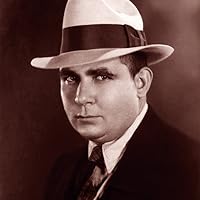
“Civilized men are more discourteous than savages because they know they can be impolite without having their skulls split, as a general thing.”
―
―

“When someone seeks," said Siddhartha, "then it easily happens that his eyes see only the thing that he seeks, and he is able to find nothing, to take in nothing because he always thinks only about the thing he is seeking, because he has one goal, because he is obsessed with his goal. Seeking means: having a goal. But finding means: being free, being open, having no goal.”
― Siddhartha
― Siddhartha



Valentin’s 2025 Year in Books
Take a look at Valentin’s Year in Books, including some fun facts about their reading.


Favorite Genres
Polls voted on by Valentin
Lists liked by Valentin