How Anthropomorphism Helps and Hurts Conservation
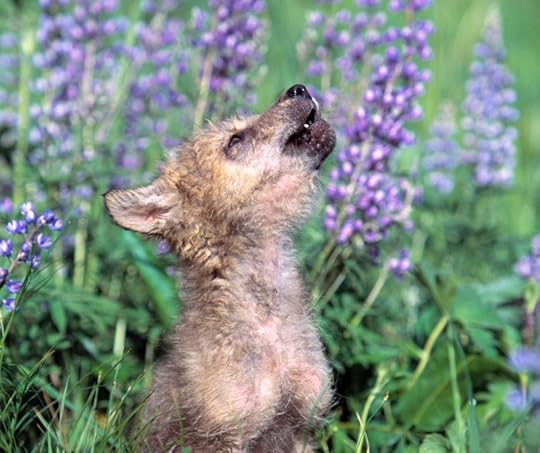 From Jess’s Journal: Wolves with Bows
People love to slap human emotions onto wild animals.
Wolves get it the worst. One minute they’re soulmates howling at the moon. The next, they’re bloodthirsty demons dragging children into the dark.
Pick a fairy tale. Either way, they’re not allowed to just be wolves.
Here’s the thing; the stories somewhat help.
The cute wolf cub with the tragic eyes gets donations. The noble pack leader who sacrifices himself for the good of the group? He gets a documentary. And maybe, just maybe, someone votes to protect their habitat.
But there’s a cost.
When we make wolves too human, we stop seeing what they are. They don’t live by morals. They don’t have revenge plots. They’re not here to teach us life lessons. They’re just trying to survive, like they’ve always done, through teeth, timing, and terrain.
And when they get too familiar, people start expecting them to behave.
To stay where they’re told.
To not eat the calf someone left unguarded.
To act grateful for being allowed to exist.
Wolves don’t do gratitude. They do balance.
And they’re damn good at it, if we’d just get out of the way.
So yeah, anthropomorphism gets people to care.
But if we’re not careful, it also gets wolves killed.
Let them be wolves.
Want to know what happens when science and story collide in the woods? Read We Were Meant to Be Wolves. Coming July 25th! Follow me for updates and free books.


No comments have been added yet.