
Guest Post: Disabilities at Church: Part Two
 November 30, 2025 Guest Post
Guest Post by Calleen Petersen
This is Part Two in a two part series. Part One was published yesterday.
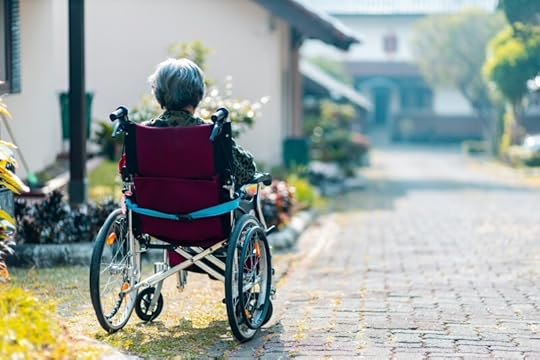 Photo by Steven HWG on Unsplash
Did you know that the largest minority in the U.S. is the disabled? 1 in 4 Americans are disabled. Did you know that it is very likely that at some point in your life, you will join this group? Age, my friends, it’s not kind to any of us. And we struggle as a church to meet the needs of the disabled in our church community.
About a year ago, a family moved into our ward with children who experience autism that was more severe than our ward was used to. They struggled to know what to do. They reached out to the stake, with no result. Online resources didn’t help either. It made me think about how we need to make changes within our operations in church to make it accommodating to those who have all types of disabilities.
I posted on Facebook about a couple ideas I had. One was simply having mics brought to the members for fast and testimony meetings, like they used to in many wards. Some still offer them, but most don’t. A former member of a bishopric replied to my post that we shouldn’t do that. The person could just ask the member of the bishopric to have one that specific Sunday if it was really needed, and it could be provided then. I disagree, and here is why-
The person with a disability must ask for accommodation every single time. The person may be embarrassed about needing it, it makes them feel singled out and the odd person. Providing a mic that can be brought to everyone in the congregation normalizes it. Often, other people benefit in unexpected ways when we make accommodations for those who are disabled. That sister with severe anxiety, or phobia of speaking in public? She is more likely to bare her testimony because she can stay where she is and stare at the floor. That mother with small children whose husband is in the bishopric. She’s more likely to bare her testimony because she doesn’t have to leave her children. That terrified teen who is considering it for the first time? Breaking down barriers and making it easier benefits us all.
Once I got started, more ideas kept coming. Here’s a few more I feel should be standard in all wards and stakes.
Instead of an optional disabilities specialist, there should be disability specialists called in every ward and stake. In wards, multiple should be called as needed to work with specific people and auxiliaries, with a main person to oversee them at ward and stake levels. They should sit on ward and stake councils, informing the council of specific needs and changes that should be considered for local culture and policies. If we are not in the room where decisions are made, we are not heard or seen. The family in our ward with two kids with more severe autism? Disability specialists were eventually called. They work specifically with each child to help them regulate and participate while giving them breaks as needed so teachers can still teach, and their classmates understand that these children are wanted and valued, are not scary, and can develop love and friendship. It is beautiful to see.
A sensory room should be in every church building. A place where big feelings and big movements are okay and accepted. Growing up, there was an old church building that had a cry room at the back with one-way glass and the audio piped in. Parents could take their autistic, ADHD, or sometimes just wild kids to the room and not disturb others, and still be part of the service. It was amazing. I’ve never seen it in another one of our buildings. This should not be a room where parents are told to take their child by others, because their child is loud or misbehaving, but rather a space where they can go if THEY feel it would be beneficial. It should be open to the whole ward, normalizing this isn’t just where the “strange kids” go, and gladly welcome them back to sacrament, no matter how loud or disruptive they are.
We also have several young women in our ward with autism and other issues. I notice, they struggle to connect with what is going on in their class, feel a part of the group, and subsequently struggle to go to church because the church members are not meeting them where they are at. What about a class for these girls? Not to exclude them from the main group, but a class catered to their needs with a few other girls that cycle in and out every 6 months. Maybe it’s more basic gospel doctrine, helping in the nursery, or something more dynamic with lots of movement, games, and music, because that’s what they need. The messaging being, we see you, we know who YOU are, and we love you.
COVID made accessing church more accessible for some due to broadcasted sacrament meetings. This needs to be common practice with the links readily available. This enables those who are sick or disabled, or maybe those with a job on Sunday, but they have a free hour, to still participate. But we must be careful, is this the only interaction these members get with the church? Do they have active ministering brothers and sisters who regularly visit them and check on their needs? If my experience in 9 different wards across the nation is any indication, they likely do not.
All wards should have devices for the hearing impaired. Especially for Sunday school type meetings in which you have a teacher or speaker and comments by the congregation, in the chapel. Mics should always be used. None of us likes to use them, and think we talk loud enough for everyone to hear. Newsflash. Even those who aren’t hard of hearing are struggling to hear you, but don’t feel comfortable speaking up. This alienates people from the discussions going on, making them feel like they have nothing to contribute.
Many wards have spouses who care for an ailing spouse or parents who care for a child who medically, emotionally, or behaviorally is hard to care for. These members need a break. Can someone sit with their spouse or child once a week so they can get their hair done, go out with friends, and just take a break from the person that they love with their whole soul, but need a minute away?
These are families who don’t get invited to other people’s homes. People don’t know how to interact with their children, your home isn’t equipped for a wheelchair, food issues are a problem, etc. etc. Their lives are often very lonely, hard, and they need someone to hold space for them. Let’s get creative. Stay late after church for a shared meal with the family or bring the meal to their house to share (bring paper products so you aren’t creating a mess to clean up later). Arrange for the family to come over, but bring their own snacks, or really spend time understanding their dietary requirements. That will really mean a lot to them if you care enough to create space for them. Don’t know how to interact with their children? Ask questions, start slow, build rapport. It doesn’t have to happen overnight. We can find a way to help these families feel wanted, included, and meet their needs.
These were my thoughts. What are ways you feel we can do better?
 Calleen is a mother of an adult with disabilities, a disability advocate, and therapist. She enjoys spending time with friends and curling up with a good book.


