
The Tower Of Babel
During the housewarming party in the April section, there is a scene that I had envisioned for a long time and was never quite sure if I could pull it off. I remember when I first started to write The Rainbow in 2008, and I heard the song The New Year by Death Cab for Cutie and there was the lyric, “where thirty dialogues bleed into one.”
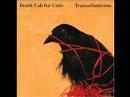
I wanted to see if I could somehow make those thirty dialogues, or at least, a large uproarious sound happen. I tried to do this in the magic realist version of the story (fittingly taking place on New Years Eve), but that was only between the four of them. I knew that no matter how hard I wanted to create this utter noise on the page, I could not do this with text alone – and more importantly, with my text alone.
When I was in school, that same year, my mom told me the story of The Tower of Babel. This is the basics of it from the wikipedia page:
The Tower of Babel (Hebrew: מגדל בבל Migdal BavelArabic: برج بابل Burj Babil), according to the Book of Genesis,[1] was an enormous tower built in the plain of Shinar (Hebrew: שנער).
According to the biblical account, a united humanity of the generations following the Great Flood, speaking a single language and migrating from the east, came to the land of Shinar, where they resolved to build a city with a tower “with its top in the heavens…lest we be scattered abroad upon the face of the Earth.” God came down to see what they did and said: “They are one people and have one language, and nothing will be withholden from them which they purpose to do.” So God said, “Come, let us go down and confound their speech.” And so God scattered them upon the face of the Earth, and confused their languages, and they left off building the city, which was called Babel “because God there confounded the language of all the Earth.” (Genesis 11:5-8).

I’m in no way religious, but stories like this captivate me. I wanted to create this, and since Babel had to do with language, I was going to need to have many different languages happening all at once to get the effect I needed. This still wasn’t going to necessarily happen “all at once” when you take the sequential order of text into consideration, but my hope was at least disorientation. Upon first seeing the initial languages, it would baffle. Then there may be glimmers of recognition, but never quite full comprehension.
I know from studying some languages myself (Spanish, French, and basic Latin) that translation never quite works out exactly and language is never a mirror. Even in English, we are completely limited by what we can convey through our use of words. Moving from one to the next is nearly impossible to get the same meaning – so you must settle for making something completely new when you translate and speak something different. This is one of the way I appreciate the work the translators for the story are doing and why I think they deserve their own credit.
Because I have been lucky enough to talk to many people all over the world, finding seven languages was relatively easy for me. I tried to not give away too much about the scene that was coming up, but they knew there was going to be a house warming party, the characters were recreating Babel, and they were instructed to use a colour in their small speech. Seven colours for the rainbow, obviously.
Here is credit where credit is due. The first name is the character, what language they spoke, and then the colour they spoke about.
Callie – Slovak (orange)
Hilda - Swedish (yellow)
Alexa – Polish (green)
Marc – Spanish (light blue)
Cassandra – Italian (red)
Bernard – French (blue)
Lydia – Portuguese (violet)

From here will be the character’s part, what the speech was, and if it was provided, an English translation along with the person’s name. Thank you very much to everyone who participated and helped.
Lydia
Credit: Gabi
Somos separados por fronteiras e linguagens. Sofremos por medo do diferente, do desconhecido. Tudo que não é familiar causa estranhamento, e pode inspirar rejeição ou encantamento. Com as cores, entretanto, não há exclusividade. Elas são universais e nos unem sob o alento de um mesmo sentimento, um mesmo coração.
O violeta é a cor da conexão. Ele abre uma ponte entre o nosso interior e a energia universal que passa por dentro de todos nós, que motiva os espíritos de todas as línguas e culturas. É a cor que une vocês dois, um ao outro. E a própria cor é uma união. O fruto do encontro de azul, que acalma a alenta, e vermelho, que acende paixão. E é isso que eu desejo a vocês dois, neste apartamento ou em qualquer outro ponto do mundo. Que sintam a paixão acendê-los por dentro, que mantenha o ardente encanto de vocês pela vida, mas que abra espaço para momentos nos quais vocês encontrem paz e quietude nos braços um do outro. Eu lhes desejo o desatino e o equilíbrio. Eu lhes desejo o violeta.
English
We are separated by borders and languages. We suffer from fear of what’s different, what’s unknown. The unfamiliar raises estrangement, and it may inspire rejection or awe. With colors, though, there’s no exclusivity. They are universal and unite us under the breath of the same feeling, the same heart.
Violet is the color of connection. It opens a door between our inner self and the universal energy that crosses us all, that motivates the spirits of every language and culture. It’s the color that unites you two (Gerard and Frank), one to another. And the color itself is an union. It’s the result of the encountering of blue, which calms and nurtures, and red, which brings out passion. And that’s what I wish you both, in this apartment or in any corner of the world. May you feel passion ignite you on the inside, keep your awe before life, but it may open space for moments in which you find peace and quiet in each other’s arms. I wish you wickedness (ugh no good word, but well. Desatino = in too great proportions. Like exaggerated. Passion, yknow?) and balance. I wish you violet.
Marc
Credit: Lucia
Cae el cielo en el cielo. Diferentes matices de celeste chocan. Uno representa tu edén , el otro mi libertad. Se funde mi alma allí; tantos colores ocupan mi mente. Recuerdos de noches insomnes donde perdido por esta ciudad me aislaba de quién debía ser y me entregaba sin remordimiento a esa esencia que tanto añoraba. Bloques de reminiscencias, imágenes que me venden paz. Mi cielo cayendo nuevamente, llenándome de rocío y espesura, y así quiero vivir: en esta libertad en este mar de aguas claras, en la profundidad de una mirada. Este celeste corre por mis venas, se abomba en mis sienes, late. Y me hace vivir. Quiero ser del color del cielo, quiero caer en el sendero en el que encuentre tu risa, quiero huir de mi deber y entregarme al ser. Quiero que te fundas en mí- que adornes este firmamento con tu soltura, si no podemos ser reales, seamos la fantasía que te desborde.
English
The sky falls in the sky. Different shades of light-blue collide. One is your Eden, the other my freedom. My soul melts there, so many colors occupying my mind. Memories of sleepless nights where lost in this city, I isolated myself and gave in with no remorse to that essence that I yearned for so long. Blocks of reminiscences, images selling me peace. My sky falling again, full of dew and thickness, and I want to live like this: in this freedom, in this sea of clearwater, inside the depth of a look. The light- blue runs through my veins, it accumulates in my temples, it beats. And it makes me feel alive. I want to be the color of the sky, I want to collapse in the path where I find your smile, I want to flee and abandon my duty, and just be. I want you to fuse in me, I want you to adorn the sky with your ease, if we cannot be real, let’s be the fantasy that will flood you.
Callie
Credit: Kat
Oranžová mi vždy pripomína západ slnka. Nie východ, pretože pri východe slnka je obloha žltá a ružová a bledomodrá, ale západ slnka. Je to akoby strechy domov horeli, viete? Všetko žiari, ale vy sa nebojíte, pretože to nie je skutočný oheň. Jediné, čo zničí, je deň.
English
orange always reminded me of the setting sun. not the rising sun, because when the sun rises, the sky is yellow and pink and pale blue, but the setting sun. it is as if the roofs of houses were on fire, you know? everything glows but you are not afraid because it’s not a real fire. the only thing it destroys is the day.
Alexa
Credit: Adriana
Kolor zielony od zawsze uważany jest za symbol nadziei oraz spokoju. To pewnie dlatego stare tablice w szkołach są zielone – by dać uczniom nadzieję na zrozumienie kompletnie niezrozumiałego materiału. Zieleń odpręża, koi zmysły, a poza tym jest bardzo miła dla oka. Pomyślcie tylko, gdyby tak zebrać do kupy wszystkich tych zgorzkniałych osobników i pomalować ich na zielono, już nigdy więcej by nas nie denerwowali! Ponad to, trawiasty odcień zieleni kojarzy się z wiosną. Przyciąga on do siebie niczym magnes! Na koniec wypadałoby też dodać, że właśnie dzięki tej barwie wiemy, kiedy zaniechać jedzenia produktów białkowych, gdy jakikolwiek posiłek robi się zielony, nie zjadamy go. Kolor zielony inspiruje, powstało wiele pieśni i wierszy do niego nawiązujących, jak ten Kazimierza Wierzyńskiego; “Zielono mam w głowie i fiołki w niej kwitną, na klombach mych myśli sadzone za młodu, pod słońcem, co dało mi duszę błękitną i które mi świeci bez trosk i zachodu.”
English
Green colour has always been considered as a symbol of hope and peace. Probably that’s why old school chalkboards were green – to give students a little bit of hope to understand completely incomprehensibles exercises. Green relaxes, soothes the senses and moreover, it’s aesthetically pleasing. Just think about it, if you take all those embittered citizens and paint them green, they would never upset you again! Also, the grassy shade of green associates with spring. It attracts like a magnet! And furthermore, because of the green colour we know when we shouldn’t eat a product, when a meal is getting green, we don’t eat it. Green inspires, there are a lot of songs and poems which refer to it, like the one by a polish poet, Kazimierz Wierzyński: (here should be the poem but there are a lot of polish idiomatics and stuff and I don’t think I can translate it with the green colour).
Cassandra
Credit: Irene
Non è strano come nessuno possa rinunciare ai colori? Per quanto la nostra percezione di essi vari, ci sono tutti indispensabili; tanto che persino la loro assenza, a modo suo, diventa un tono necessario del niente.
Credo che il rosso sia un emblema del carattere dei colori, anche nelle sue infinite sfumature mantiene sempre il suo tratto fondamentale: l’irruenza e l’inevitabilità.
Nel suo spettro sono comprese contraddizioni intrinseche, ossimori morali e discordanze che il nostro sistema nervoso cattura solo in parte.
Come può il colore del sangue che sgorga conciliarsi con un’impressione sottopelle (infusaci all’alba dei tempi)?
Forse è proprio questo conflitto endemico che ci spinge ad associare il rosso alle passioni.
Un flusso anarco-adrenalinico fino alla punta delle dita.
Un colore primario per un bisogno primario.
Autarchico ma non autonomo; irrequieto nelle sue potenzialità inespresse, costantemente teso verso le tinte fosche del viola e quelle incomprensibili dell’arancione.
Cassandra vedeva il rosso nelle sue visioni e non fu creduta: il sangue sommerse la reggia di Agamennone.
Ora posso immergere la mano in questo colore senza la frenesia di doverlo lavare via per vergogna o rimorso.
Per me il rosso è l’inequivocabile segnale di due guance accaldate; l’imposizione periodica della pubertà, affrettata e scortese.
Una goccia di tempera caduta dalla tavolozza di mia madre che si confonde in un riccio fuori posto, avviluppato al manico di un pennello come una fiamma ardente.
Il rosso delle rose che ho sempre ammirato da lontano, ricevendone solo di rosa.
Mi piace pensare che nei toni avvolgenti dei miei sogni sia racchiuso qualcosa di diverso in cui credere.
English (with footnotes! Thank you, Irene!)
Isn’t it strange how nobody can give up on colours? Insofar as our perception of them varies, they’re all indispensable; to the point that even their absence, in a way, becomes a necessary shade of nothing. [1]
I think red is the emblem of colours character [2], even in its endless hues it keeps its fundamental trait: vehemence [3] and inevitability.
In its spectrum are enclosed intrinsic contradictions, moral oxymoron and clashes that our nervous system is only partly able to capture.
How can the colour of pouring blood conciliate with an under-the-skin impression (we were given at dawn of times)? [4] Maybe it’s exactly this endemic conflict that lead us to associate the red with passions.
An anarcho-adrenalic flow [5] up to the finger tips.
A primary colour for a primary need.
Autarchic but not autonomous [6]; restless in its unstated possibilities [7], constantly aimed at the hazy tones of purple or orange’s incomprehensible ones .[8] Cassandra would see red in her visions and she wasn’t believed: blood flooded Agamemnon’s palace.[9] Now I can dip my hand in this colour without being urged to wash it away for shame or regret.
To me red is the unequivocal signal of two hot cheeks [10]; the periodic imposition of puberty, hasty and unkind. [11] A drop of paint fallen from my mother’s pallet blurring in a out-of-place curl, tangled with a brush handle [12] like a burning flame.
The red of roses I’ve only admired from a distance, receiving just pink ones. [13]
I like to think that in the shades of my dreams there’s something different to believe in.[14]
[1] As in the black colour
[2] behaviour seemed too “human”, in Italian the word “carattere” is more general
[3] I guess we have “vehemence” too in Italian: veemenza. But apparently you don’t have “irruenza”
[4] I put brackets because I just realized this sounds more religious than intended. I’m not meaning that God or whatsoever gave humans the capability to love but rather we’ve always been able to do that. You can delete it, it doesn’t change that much.
[5] I think I just made up a new word and translate it in English. Is that okay?
[6] “autonomous” may sound a bit weird in English but in Italian we use it a lot. Plus they’re both words coming from Greek. Actually I use a lot of words coming from Greek..
[7] “unstated” is something you would usually say of feelings or words, but “inespresso” is way more general
[8] this is my point of view: I look horrible in orange XD
[9] Be completely honest and tell me if I took it too far with Greek references
[10] I didn’t use “hot” in the original text, apparently there’s not translation for “accaldato”. I intended more of a blushing consequence than a skin reaction to the heat
[11] This is a bit vague, I just wanted to slightly allude.
[12] brush as in paintbrush “pennello”= paintbrush “spazzola”= hairbrush but this is cooler in English because I’m talking about hair and you happen to use the same word *-*
[13] Red roses= passionate love pink roses= friendship. I guess it’s a way of saying she was never returned in love (until now I guess!)
[14] And this redirects back to visionnaire Cassandra. She saw death coming in the shade of red while our Cassandra is seeing love coming in the same shade.
Hilda
Credit: Erika
“Men vad spelar det för roll att alla står här och pratar? Jag förstår inte vad nån säger och ingen förstår vad jag säger; det är som att prata med sig själv. Vill man förena världen så måste alla lära sig samma språk, gärna engelska för min del, men är det någon som lyssnar eller förstår det? Eller hitta något att förena världen runt, som typ solen. En gång i tiden förenades människan kring eld. Vad ska det bli den här gången? Maskrosor eller smörblommor? Marabou mjölkchoklad?”
English
“But what does it matter that all stand here and talk? I do not understand what someone says and no one understands what I say, it’s like talking to himself. If you want to unite the world so must all learn the same language, preferably English, for my part, but is there anyone who listens or understands it? Or find something to unite around the world, that type sun. Once upon a time there were people around the fire. What will it be this time? Dandelions and buttercups? Milk chocolate? “
Bernard
Credit: Ryan
Il n’est pas possible…Il n’est pas possible pour moi de déterminer le sens de la couleur bleu. Ça peut être la couleur d’un lac crystal, où, peut-être, la mer orageaux qui avale les navines entières; si tu—on—si on tombe…Si on s’est tombé sur un arbrisseau avec les fruits bleus, il est possible que les—qu’ils soient aussi bien être la belladonne comme les bleuets. La—le ciel s’est voilé en bleu avant que le soleil se lêve et peu avant que la tombe de la nuit. C’est la couleur, je pense, des débuts et des bouts. C’est la couleur—je suppose que c’est la couleur de chance. Il peut marquer la naissance—non, une rêveille, ou il peut être la marque de la mort, et je suppose—je suppose qui ce que je dis est que la bleu est autour de la possibilité, et pour moi, c’est…ça peut être la couleur de la fin de quelque chose, ou ça peut–Ça peut être la debut de Tout.
English
It is not possible … It is not possible for me to determine the meaning of the color blue. It may be the color of a crystal lake, where, perhaps, the sea that swallows orageaux navines the whole, if you be-if you fall … If we came upon a bush with blue fruits, it is possible that they are as well-being belladonna like blueberries. -The sky was veiled in blue before the sun rises and shortly before the fall of night. It is the color, I think, of beginnings and ends. It is the color I guess it’s the color of luck. It may mark the birth-no, a wake, or it may be the mark of death, and I suppose I suppose that what I say is that the blue is about the possibility, and for me it’s … it may be the color of the end of something, or it can – it could be the beginning of all.
Later on in the story, there will be another section where language will crop up. Ivy Morgan helped me out with this section in Arabic about the colour pink. I won’t give away many other details about this piece until it comes up in the story, just send my thanks to her once again. :)
Arabic
Men weghet nazary, ana shayef en el lon el wardy ramz lel hob, al shafaka, we al gamal. El lon al wardy howa el lon al alamy beta’a al hob. Howa hob nafsik wa al akhareen. wa yarbotik ma’a ihsasatik alnafsiya a’an reayat a’an al akhareen wa althat, wa kobool al nafs. al lon al wardy yohadi ehsas al hozn, wa yokhafif al mashakil beyn elakat hobeya wa a’a'ileya.




Evelyn Deshane's Blog

- Evelyn Deshane's profile
- 46 followers

