
Discover new books on Goodreads
Meet your next favorite book
Karen
https://www.goodreads.com/anglicanmom


to-read
(3265)
currently-reading (6)
read (3975)
did-not-finish (0)
fiction (415)
cookery (372)
novels (299)
history (199)
the-south (171)
religion (145)
children (134)
anglican (115)
currently-reading (6)
read (3975)
did-not-finish (0)
fiction (415)
cookery (372)
novels (299)
history (199)
the-south (171)
religion (145)
children (134)
anglican (115)
biography
(107)
wbts (105)
favorites (102)
women (89)
garden (87)
christmas (79)
memoirs (78)
great-books (71)
education (65)
conservative-thought-politics (58)
devotional (57)
tea-time (57)
wbts (105)
favorites (102)
women (89)
garden (87)
christmas (79)
memoirs (78)
great-books (71)
education (65)
conservative-thought-politics (58)
devotional (57)
tea-time (57)


“Why should men love the Church? Why should they love her laws?
She tells them of Life and Death, and of all that they would forget.
She is tender where they would be hard, and hard where they like to be soft.
She tells them of Evil and Sin, and other unpleasant facts.
They constantly try to escape
From the darkness outside and within
By dreaming of systems so perfect that no one will need to be good.
But the man that is will shadow
The man that pretends to be.”
― The Complete Poems and Plays
She tells them of Life and Death, and of all that they would forget.
She is tender where they would be hard, and hard where they like to be soft.
She tells them of Evil and Sin, and other unpleasant facts.
They constantly try to escape
From the darkness outside and within
By dreaming of systems so perfect that no one will need to be good.
But the man that is will shadow
The man that pretends to be.”
― The Complete Poems and Plays

“It's like in the great stories, Mr. Frodo. The ones that really mattered. Full of darkness and danger they were. And sometimes you didn't want to know the end… because how could the end be happy? How could the world go back to the way it was when so much bad had happened? But in the end, it’s only a passing thing… this shadow. Even darkness must pass.”
― The Two Towers
― The Two Towers

“We were keeping our eye on 1984. When the year came and the prophecy didn't, thoughtful Americans sang softly in praise of themselves. The roots of liberal democracy had held. Wherever else the terror had happened, we, at least, had not been visited by Orwellian nightmares.
But we had forgotten that alongside Orwell's dark vision, there was another - slightly older, slightly less well known, equally chilling: Aldous Huxley's Brave New World. Contrary to common belief even among the educated, Huxley and Orwell did not prophesy the same thing. Orwell warns that we will be overcome by an externally imposed oppression. But in Huxley's vision, no Big Brother is required to deprive people of their autonomy, maturity and history. As he saw it, people will come to love their oppression, to adore the technologies that undo their capacities to think.
What Orwell feared were those who would ban books. What Huxley feared was that there would be no reason to ban a book, for there would be no one who wanted to read one. Orwell feared those who would deprive us of information. Huxley feared those who would give us so much that we would be reduced to passivity and egoism. Orwell feared that the truth would be concealed from us. Huxley feared the truth would be drowned in a sea of irrelevance. Orwell feared we would become a captive culture. Huxley feared we would become a trivial culture, preoccupied with some equivalent of the feelies, the orgy porgy, and the centrifugal bumblepuppy. As Huxley remarked in Brave New World Revisited, the civil libertarians and rationalists who are ever on the alert to oppose tyranny "failed to take into account man's almost infinite appetite for distractions." In 1984, Orwell added, people are controlled by inflicting pain. In Brave New World, they are controlled by inflicting pleasure. In short, Orwell feared that what we fear will ruin us. Huxley feared that what we desire will ruin us.
This book is about the possibility that Huxley, not Orwell, was right.”
― Amusing Ourselves to Death: Public Discourse in the Age of Show Business
But we had forgotten that alongside Orwell's dark vision, there was another - slightly older, slightly less well known, equally chilling: Aldous Huxley's Brave New World. Contrary to common belief even among the educated, Huxley and Orwell did not prophesy the same thing. Orwell warns that we will be overcome by an externally imposed oppression. But in Huxley's vision, no Big Brother is required to deprive people of their autonomy, maturity and history. As he saw it, people will come to love their oppression, to adore the technologies that undo their capacities to think.
What Orwell feared were those who would ban books. What Huxley feared was that there would be no reason to ban a book, for there would be no one who wanted to read one. Orwell feared those who would deprive us of information. Huxley feared those who would give us so much that we would be reduced to passivity and egoism. Orwell feared that the truth would be concealed from us. Huxley feared the truth would be drowned in a sea of irrelevance. Orwell feared we would become a captive culture. Huxley feared we would become a trivial culture, preoccupied with some equivalent of the feelies, the orgy porgy, and the centrifugal bumblepuppy. As Huxley remarked in Brave New World Revisited, the civil libertarians and rationalists who are ever on the alert to oppose tyranny "failed to take into account man's almost infinite appetite for distractions." In 1984, Orwell added, people are controlled by inflicting pain. In Brave New World, they are controlled by inflicting pleasure. In short, Orwell feared that what we fear will ruin us. Huxley feared that what we desire will ruin us.
This book is about the possibility that Huxley, not Orwell, was right.”
― Amusing Ourselves to Death: Public Discourse in the Age of Show Business

“When in danger or in doubt, run in circles, scream and shout.”
―
―
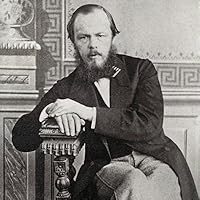
“Above all, do not lie to yourself. A man who lies to himself and listens to his own lie comes to a point where he does not discern any truth either in himself or anywhere around him, and thus falls into disrespect towards himself and others. Not respecting anyone, he ceases to love, and having no love, he gives himself up to passions and coarse pleasures in order to occupy and amuse himself, and in his vices reaches complete beastiality, and it all comes from lying continually to others and himself. A man who lies to himself is often the first to take offense. it sometimes feels very good to take offense, doesn't it? And surely he knows that no one has offended him, and that he himself has invented the offense and told lies just for the beauty of it, that he has exaggerated for the sake of effect, that he has picked up on a word and made a mountain out of a pea--he knows all of that, and still he is the first to take offense, he likes feeling offended, it gives him great pleasure, and thus he reaches the point of real hostility...”
― The Brothers Karamazov
― The Brothers Karamazov
 What's the Name of That Book???
— 122264 members
— last activity 1 hour, 49 min ago
What's the Name of That Book???
— 122264 members
— last activity 1 hour, 49 min ago
Can't remember the title of a book you read? Come search our bookshelves and discussion posts. If you don’t find it there, post a description on our U ...more
 Apocalypse Whenever
— 14187 members
— last activity 20 minutes ago
Apocalypse Whenever
— 14187 members
— last activity 20 minutes ago
The most active group for apocalyptic and dystopian stories! Join a monthly book discussion, get recommendations, or just tell us if you like canned p ...more
 Romance Novel Book Sleuth
— 2486 members
— last activity Oct 22, 2026 02:48AM
Romance Novel Book Sleuth
— 2486 members
— last activity Oct 22, 2026 02:48AM
Are you having difficulty recalling the title of a favorite romance novel? Here's the place to post your plot(s) and let fellow romance readers help y ...more
 Downton Abbey Summer Book Club
— 49 members
— last activity Jun 29, 2015 01:37PM
Downton Abbey Summer Book Club
— 49 members
— last activity Jun 29, 2015 01:37PM
For the fans of our Downton Abbey companion books. Join us for our Summer Book Club and enjoy both fiction and non-fiction period novels.
 Dystopia Land
— 5712 members
— last activity 21 hours, 49 min ago
Dystopia Land
— 5712 members
— last activity 21 hours, 49 min ago
THE BIGGEST GROUP FOR DYSTOPIAN LITERATURE ON GOODREADS. What you can do in the group? * You can say 'Hi', or tell us what you are reading * Yo ...more


Karen’s 2025 Year in Books
Take a look at Karen’s Year in Books, including some fun facts about their reading.

1,793 books
|
153 friends

751 books
|
237 friends

1,134 books
|
218 friends

1,547 books
|
56 friends

577 books
|
759 friends

1,205 books
|
1,007 friends

671 books
|
339 friends

471 books
|
97 friends
More friends…


Favorite Genres
Polls voted on by Karen
Lists liked by Karen