“76. David Hume – Treatise on Human Nature; Essays Moral and Political; An Enquiry Concerning Human Understanding
77. Jean-Jacques Rousseau – On the Origin of Inequality; On the Political Economy; Emile – or, On Education, The Social Contract
78. Laurence Sterne – Tristram Shandy; A Sentimental Journey through France and Italy
79. Adam Smith – The Theory of Moral Sentiments; The Wealth of Nations
80. Immanuel Kant – Critique of Pure Reason; Fundamental Principles of the Metaphysics of Morals; Critique of Practical Reason; The Science of Right; Critique of Judgment; Perpetual Peace
81. Edward Gibbon – The Decline and Fall of the Roman Empire; Autobiography
82. James Boswell – Journal; Life of Samuel Johnson, Ll.D.
83. Antoine Laurent Lavoisier – Traité Élémentaire de Chimie (Elements of Chemistry)
84. Alexander Hamilton, John Jay, and James Madison – Federalist Papers
85. Jeremy Bentham – Introduction to the Principles of Morals and Legislation; Theory of Fictions
86. Johann Wolfgang von Goethe – Faust; Poetry and Truth
87. Jean Baptiste Joseph Fourier – Analytical Theory of Heat
88. Georg Wilhelm Friedrich Hegel – Phenomenology of Spirit; Philosophy of Right; Lectures on the Philosophy of History
89. William Wordsworth – Poems
90. Samuel Taylor Coleridge – Poems; Biographia Literaria
91. Jane Austen – Pride and Prejudice; Emma
92. Carl von Clausewitz – On War
93. Stendhal – The Red and the Black; The Charterhouse of Parma; On Love
94. Lord Byron – Don Juan
95. Arthur Schopenhauer – Studies in Pessimism
96. Michael Faraday – Chemical History of a Candle; Experimental Researches in Electricity
97. Charles Lyell – Principles of Geology
98. Auguste Comte – The Positive Philosophy
99. Honoré de Balzac – Père Goriot; Eugenie Grandet
100. Ralph Waldo Emerson – Representative Men; Essays; Journal
101. Nathaniel Hawthorne – The Scarlet Letter
102. Alexis de Tocqueville – Democracy in America
103. John Stuart Mill – A System of Logic; On Liberty; Representative Government; Utilitarianism; The Subjection of Women; Autobiography
104. Charles Darwin – The Origin of Species; The Descent of Man; Autobiography
105. Charles Dickens – Pickwick Papers; David Copperfield; Hard Times
106. Claude Bernard – Introduction to the Study of Experimental Medicine
107. Henry David Thoreau – Civil Disobedience; Walden
108. Karl Marx – Capital; Communist Manifesto
109. George Eliot – Adam Bede; Middlemarch
110. Herman Melville – Moby-Dick; Billy Budd
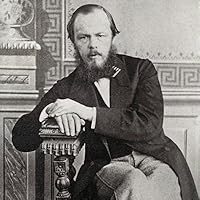
111. Fyodor Dostoevsky – Crime and Punishment; The Idiot; The Brothers Karamazov
112. Gustave Flaubert – Madame Bovary; Three Stories
113. Henrik Ibsen – Plays
114. Leo Tolstoy – War and Peace; Anna Karenina; What is Art?; Twenty-Three Tales
115. Mark Twain – The Adventures of Huckleberry Finn; The Mysterious Stranger
116. William James – The Principles of Psychology; The Varieties of Religious Experience; Pragmatism; Essays in Radical Empiricism
117. Henry James – The American; The Ambassadors
118. Friedrich Wilhelm Nietzsche – Thus Spoke Zarathustra; Beyond Good and Evil; The Genealogy of Morals;The Will to Power
119. Jules Henri Poincaré – Science and Hypothesis; Science and Method
120. Sigmund Freud – The Interpretation of Dreams; Introductory Lectures on Psychoanalysis; Civilization and Its Discontents; New Introductory Lectures on Psychoanalysis
121. George Bernard Shaw – Plays and Prefaces”
― How to Read a Book: The Classic Guide to Intelligent Reading
77. Jean-Jacques Rousseau – On the Origin of Inequality; On the Political Economy; Emile – or, On Education, The Social Contract
78. Laurence Sterne – Tristram Shandy; A Sentimental Journey through France and Italy
79. Adam Smith – The Theory of Moral Sentiments; The Wealth of Nations
80. Immanuel Kant – Critique of Pure Reason; Fundamental Principles of the Metaphysics of Morals; Critique of Practical Reason; The Science of Right; Critique of Judgment; Perpetual Peace
81. Edward Gibbon – The Decline and Fall of the Roman Empire; Autobiography
82. James Boswell – Journal; Life of Samuel Johnson, Ll.D.
83. Antoine Laurent Lavoisier – Traité Élémentaire de Chimie (Elements of Chemistry)
84. Alexander Hamilton, John Jay, and James Madison – Federalist Papers
85. Jeremy Bentham – Introduction to the Principles of Morals and Legislation; Theory of Fictions
86. Johann Wolfgang von Goethe – Faust; Poetry and Truth
87. Jean Baptiste Joseph Fourier – Analytical Theory of Heat
88. Georg Wilhelm Friedrich Hegel – Phenomenology of Spirit; Philosophy of Right; Lectures on the Philosophy of History
89. William Wordsworth – Poems
90. Samuel Taylor Coleridge – Poems; Biographia Literaria
91. Jane Austen – Pride and Prejudice; Emma
92. Carl von Clausewitz – On War
93. Stendhal – The Red and the Black; The Charterhouse of Parma; On Love
94. Lord Byron – Don Juan
95. Arthur Schopenhauer – Studies in Pessimism
96. Michael Faraday – Chemical History of a Candle; Experimental Researches in Electricity
97. Charles Lyell – Principles of Geology
98. Auguste Comte – The Positive Philosophy
99. Honoré de Balzac – Père Goriot; Eugenie Grandet
100. Ralph Waldo Emerson – Representative Men; Essays; Journal
101. Nathaniel Hawthorne – The Scarlet Letter
102. Alexis de Tocqueville – Democracy in America
103. John Stuart Mill – A System of Logic; On Liberty; Representative Government; Utilitarianism; The Subjection of Women; Autobiography
104. Charles Darwin – The Origin of Species; The Descent of Man; Autobiography
105. Charles Dickens – Pickwick Papers; David Copperfield; Hard Times
106. Claude Bernard – Introduction to the Study of Experimental Medicine
107. Henry David Thoreau – Civil Disobedience; Walden
108. Karl Marx – Capital; Communist Manifesto
109. George Eliot – Adam Bede; Middlemarch
110. Herman Melville – Moby-Dick; Billy Budd
111. Fyodor Dostoevsky – Crime and Punishment; The Idiot; The Brothers Karamazov
112. Gustave Flaubert – Madame Bovary; Three Stories
113. Henrik Ibsen – Plays
114. Leo Tolstoy – War and Peace; Anna Karenina; What is Art?; Twenty-Three Tales
115. Mark Twain – The Adventures of Huckleberry Finn; The Mysterious Stranger
116. William James – The Principles of Psychology; The Varieties of Religious Experience; Pragmatism; Essays in Radical Empiricism
117. Henry James – The American; The Ambassadors
118. Friedrich Wilhelm Nietzsche – Thus Spoke Zarathustra; Beyond Good and Evil; The Genealogy of Morals;The Will to Power
119. Jules Henri Poincaré – Science and Hypothesis; Science and Method
120. Sigmund Freud – The Interpretation of Dreams; Introductory Lectures on Psychoanalysis; Civilization and Its Discontents; New Introductory Lectures on Psychoanalysis
121. George Bernard Shaw – Plays and Prefaces”
― How to Read a Book: The Classic Guide to Intelligent Reading
“I don’t know how to be silent when my heart is speaking.”
― White Nights
― White Nights
“It was a wonderful night, such a night as is only possible when we are young, dear reader.”
― White Nights
― White Nights
“I maintain my pride in the face of men, but I abandon it before God, who drew me out of nothingness to make me what I am.”
― The Count of Monte Cristo
“Beasts bounding through time.
Van Gogh writing his brother for paints
Hemingway testing his shotgun
Celine going broke as a doctor of medicine
the impossibility of being human
Villon expelled from Paris for being a thief
Faulkner drunk in the gutters of his town
the impossibility of being human
Burroughs killing his wife with a gun
Mailer stabbing his
the impossibility of being human
Maupassant going mad in a rowboat
Dostoevsky lined up against a wall to be shot
Crane off the back of a boat into the propeller
the impossibility
Sylvia with her head in the oven like a baked potato
Harry Crosby leaping into that Black Sun
Lorca murdered in the road by the Spanish troops
the impossibility
Artaud sitting on a madhouse bench
Chatterton drinking rat poison
Shakespeare a plagiarist
Beethoven with a horn stuck into his head against deafness
the impossibility the impossibility
Nietzsche gone totally mad
the impossibility of being human
all too human
this breathing
in and out
out and in
these punks
these cowards
these champions
these mad dogs of glory
moving this little bit of light toward
us
impossibly”
― You Get So Alone at Times That it Just Makes Sense
Van Gogh writing his brother for paints
Hemingway testing his shotgun
Celine going broke as a doctor of medicine
the impossibility of being human
Villon expelled from Paris for being a thief
Faulkner drunk in the gutters of his town
the impossibility of being human
Burroughs killing his wife with a gun
Mailer stabbing his
the impossibility of being human
Maupassant going mad in a rowboat
Dostoevsky lined up against a wall to be shot
Crane off the back of a boat into the propeller
the impossibility
Sylvia with her head in the oven like a baked potato
Harry Crosby leaping into that Black Sun
Lorca murdered in the road by the Spanish troops
the impossibility
Artaud sitting on a madhouse bench
Chatterton drinking rat poison
Shakespeare a plagiarist
Beethoven with a horn stuck into his head against deafness
the impossibility the impossibility
Nietzsche gone totally mad
the impossibility of being human
all too human
this breathing
in and out
out and in
these punks
these cowards
these champions
these mad dogs of glory
moving this little bit of light toward
us
impossibly”
― You Get So Alone at Times That it Just Makes Sense
M’s 2025 Year in Books
Take a look at M’s Year in Books, including some fun facts about their reading.
M hasn't connected with their friends on Goodreads, yet.
Favorite Genres
Polls voted on by M
Lists liked by M