
 Sign in with Facebook



In the same manner as the sea, those who are swept away from the course leading to the harbor correct their aim by a clear mark, looking for a lighthouse on high, or a certain mountain appearing. In the same manner Scripture by the example
...more
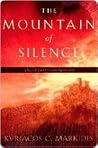

“I have one last question,” I said while entering the monastery as evening vespers were about to begin. “Can we say that the heart is what is commonly understood as the subconscious where people store their unfulfilled desires? Is the heart the depository where what Freud called ’repression’ takes place?” Father Maximos shrugged. “The holy elders were not using such terms. So I cannot really say much about it. But as I understand it, the subconscious is a storage space into which human beings pile up, so to speak, those memories and experiences they don’t want to be aware of. You may call it whatever name you wish, but one thing is clear to me. From the point of view of the true spiritual life we must eradicate the subconscious.” “Eradicate the subconscious?” I exclaimed as a group of curious monks surrounded us, listening with great interest to our exchange. “What you called ’repression’ is totally unacceptable in real spiritual medicine,” Father Maximos replied. “In the spiritual arena of the logismoi, we aim at the transmutation or metamorphosis of our passions, not the actual storing of them into the so-called subconscious.”
― The Mountain of Silence: A Search for Orthodox Spirituality
― The Mountain of Silence: A Search for Orthodox Spirituality
“Modern man wants everything to fit within his own perspective and resents being awakened from his blissful stupor. This is why he mocks, slanders, distorts, attacks, rejects, and hates whatever lies beyond his own worldview. He does not want to think, because television has taught him to hate thinking. He does not want to ask himself questions, because it is too tiring to do so. He doesn’t want to struggle to go beneath life’s superficiality, because modern culture has made him comfortable as he lives the pampered life of a hungry consumer in a cage of materialism.”
― The Gurus, the Young Man, and Elder Paisios
― The Gurus, the Young Man, and Elder Paisios
“when I say sorrow, it does not mean that we celebrate suffering as if it is something to cherish and pursue. Rather, to the extent that suffering is unavoidable, accept it as a gift from Heaven. Then it will have a therapeutic impact on your heart. Redefine it in your mind as an opportunity for spiritual growth. Because that’s what it is in reality. Whether people realize it or not, we live in a world of ongoing askesis.”
― The Mountain of Silence: A Search for Orthodox Spirituality
― The Mountain of Silence: A Search for Orthodox Spirituality
“So the holy elders,” I added, “claim that the best strategy to cope with troublesome logismoi is simply to ignore them.” “Precisely. Our first defense against destructive logismoi is complete indifference. This is the healthiest and most productive method to head them off right at their inception. Ignore them completely. Never open up a dialogue with these intruders. Do not interact with them either out of curiosity or out of overconfidence.”
― The Mountain of Silence: A Search for Orthodox Spirituality
― The Mountain of Silence: A Search for Orthodox Spirituality
“Texts like the Bible and the works of the holy elders were written under the inspiration and guidance of the Holy Spirit. The person who studies them partakes of this Divine Grace in a mystical way. The soul is nourished with Grace even if the person who reads such literature does not understand the meaning of what is being read. “Just by reading this material,” he claimed, “the individual becomes spiritually empowered by the Grace embedded in the words themselves.”
― The Mountain of Silence: A Search for Orthodox Spirituality
― The Mountain of Silence: A Search for Orthodox Spirituality
 Holy Trinity Publications
— 78 members
— last activity Sep 10, 2017 04:21AM
Holy Trinity Publications
— 78 members
— last activity Sep 10, 2017 04:21AM
A group for announcements and discussions about the publishing arm of Holy Trinity Monastery in Jordanville, NY. Formerly known as the Printshop of St ...more

Paisios’s 2025 Year in Books
Take a look at Paisios’s Year in Books, including some fun facts about their reading.

202 books
|
130 friends

467 books
|
30 friends

439 books
|
58 friends

0 books
|
80 friends

39 books
|
93 friends

1 book
|
138 friends

1 book
|
256 friends

3 books
|
452 friends
More friends…
Favorite Genres
Polls voted on by Paisios
Lists liked by Paisios
