
Discover new books on Goodreads
Meet your next favorite book

Lowell
https://www.goodreads.com/schyzm


to-read
(227)
currently-reading (8)
read (1170)
did-not-finish (33)
owned-starfinder-books (49)
owned-unread (25)
currently-reading (8)
read (1170)
did-not-finish (33)
owned-starfinder-books (49)
owned-unread (25)
2021-sff-group-shelf-challenge
(30)
my-audible-library (136)
hugo-nominees-winners (68)
graphic-novels (60)
my-kindle-library (49)
must-read (37)
my-audible-library (136)
hugo-nominees-winners (68)
graphic-novels (60)
my-kindle-library (49)
must-read (37)

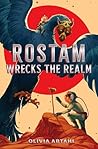
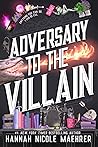

The air was thick and oily, like the exhalation of some great machine. It invaded rather than relieved the lungs and, in combination with the heat, produced an instinctive panic. Intisar once told him that the City hates her inhabitants and
...more
Mona and 1 other person liked this


“Sol Weintraub suddenly understood perfectly why Abraham had agreed to sacrifice Isaac, his son, when the Lord commanded him to do so. It was not obedience. It was not even to put the love of God above the love of his son. Abraham was testing God. By denying the sacrifice at the last moment, by stopping the knife, God had earned the right—in Abraham’s eyes and the hearts of his offspring—to become the God of Abraham. Sol”
― The Fall of Hyperion
― The Fall of Hyperion

“Give a man a fire and he's warm for a day, but set fire to him and he's warm for the rest of his life.”
― Jingo
― Jingo
“The reason that the rich were so rich, Vimes reasoned, was because they managed to spend less money.
Take boots, for example. He earned thirty-eight dollars a month plus allowances. A really good pair of leather boots cost fifty dollars. But an affordable pair of boots, which were sort of OK for a season or two and then leaked like hell when the cardboard gave out, cost about ten dollars. Those were the kind of boots Vimes always bought, and wore until the soles were so thin that he could tell where he was in Ankh-Morpork on a foggy night by the feel of the cobbles.
But the thing was that good boots lasted for years and years. A man who could afford fifty dollars had a pair of boots that'd still be keeping his feet dry in ten years' time, while the poor man who could only afford cheap boots would have spent a hundred dollars on boots in the same time and would still have wet feet.
This was the Captain Samuel Vimes 'Boots' theory of socioeconomic unfairness.”
― Men at Arms: The Play
Take boots, for example. He earned thirty-eight dollars a month plus allowances. A really good pair of leather boots cost fifty dollars. But an affordable pair of boots, which were sort of OK for a season or two and then leaked like hell when the cardboard gave out, cost about ten dollars. Those were the kind of boots Vimes always bought, and wore until the soles were so thin that he could tell where he was in Ankh-Morpork on a foggy night by the feel of the cobbles.
But the thing was that good boots lasted for years and years. A man who could afford fifty dollars had a pair of boots that'd still be keeping his feet dry in ten years' time, while the poor man who could only afford cheap boots would have spent a hundred dollars on boots in the same time and would still have wet feet.
This was the Captain Samuel Vimes 'Boots' theory of socioeconomic unfairness.”
― Men at Arms: The Play
“In the beginning there was nothing, which exploded.”
― Lords and Ladies
― Lords and Ladies
“Getting an education was a bit like a communicable sexual disease. It made you unsuitable for a lot of jobs and then you had the urge to pass it on.”
― Hogfather
― Hogfather
 SciFi and Fantasy Book Club
— 43573 members
— last activity 1 hour, 31 min ago
SciFi and Fantasy Book Club
— 43573 members
— last activity 1 hour, 31 min ago
Hi there! SFFBC is a welcoming place for readers to share their love of speculative fiction through group reads, buddy reads, challenges, ...more



Lowell’s 2025 Year in Books
Take a look at Lowell’s Year in Books, including some fun facts about their reading.

2,058 books
|
751 friends

2,172 books
|
93 friends

657 books
|
37 friends

1,238 books
|
14 friends

897 books
|
5 friends

75 books
|
29 friends

64 books
|
367 friends

131 books
|
133 friends
More friends…


Favorite Genres
Polls voted on by Lowell
Lists liked by Lowell