Goodreads helps you follow your favorite authors. Be the first to learn about new releases!
Start by following Christopher Dines.

Showing 1-30 of 177
“The reality is that there are plenty of trustworthy people in the world rebuilding their lives. It was a very gradual process for me to open up and talk about what was really going on in my recovery. The more I started to take risks by talking to others, however, the more I had an opportunity to exercise boundaries. As I asserted new boundaries, I started to gravitate towards people with integrity, warmheartedness and decency.”
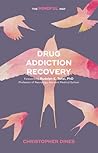
― Drug Addiction Recovery: The Mindful Way
― Drug Addiction Recovery: The Mindful Way
“To be self-compassionate is not to be self-indulgent or self-centred. A major component of self-compassion is to be kind to yourself. Treat yourself with love, care, dignity and make your wellbeing a priority. With self-compassion, we still hold ourselves accountable professionally and personally, but there are no toxic emotions inflicted upon and towards ourselves.”
― Mindfulness Burnout Prevention: An 8-Week Course for Professionals
― Mindfulness Burnout Prevention: An 8-Week Course for Professionals
“A sex addict is also emotionally anorexic – they must be in order to continue participating in isolated behaviour such as being addicted to pornography and being promiscuous or having multiple affairs. All of these secretive behaviour patterns affect a family and home.”
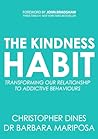
― The Kindness Habit: Transforming our Relationship to Addictive Behaviours
― The Kindness Habit: Transforming our Relationship to Addictive Behaviours
“We did not come into this world loathing ourselves or wishing to numb or feelings. As small children, we operated from a place of wonder, curiosity, spontaneity and creativity.”
― Drug Addiction Recovery: The Mindful Way
― Drug Addiction Recovery: The Mindful Way
“Things sometimes go our way and sometimes they don’t. All we can do is apply ourselves to our profession, giving our very best effort but emotionally letting go of the outcome. Why? Because if we obsess about an outcome, we cannot possibly honour the present moment.”
― Mindfulness Burnout Prevention: An 8-Week Course for Professionals
― Mindfulness Burnout Prevention: An 8-Week Course for Professionals
“Emotionally wounded addicts have an extremely difficult time with intimacy and with trusting themselves and others. They have a deep desire to trust, but their emotional scars and traumatic memories haunt them whenever an opportunity to trust another person arises. Naturally this can lead to a very lonely existence.”
― Drug Addiction Recovery: The Mindful Way
― Drug Addiction Recovery: The Mindful Way
“As we walk around we are like magnets pulling in experiences. The Law of Attraction is governed by the vibration we are in.”
― A Ticket to Prosperity
― A Ticket to Prosperity
“First and foremost, if we maintain healthy emotional boundaries and direct love and kindness inwards, we are taking care of ourselves and secondly we are giving a subliminal message to others about how we wish to be treated. People tend to subconsciously treat us how we treat ourselves.”
― Mindfulness Burnout Prevention: An 8-Week Course for Professionals
― Mindfulness Burnout Prevention: An 8-Week Course for Professionals
“It is impossible to control outcomes or results, although most of us have been programmed from a very young age to believe otherwise. The idea that we can perform actual ‘magic’ causes tremendous dysfunction, unnecessary suffering and prevents the development of emotional resilience.”
― Mindfulness Burnout Prevention: An 8-Week Course for Professionals
― Mindfulness Burnout Prevention: An 8-Week Course for Professionals
“Two monks were once travelling together down a wet and muddy road. The rain was torrential, making it almost impossible to walk along the path. As the two men were trudging along, a beautiful girl dressed in silk appeared. She was unable to cross the path and looked distressed.
“Let me help you”, said the older monk. He picked her up and carried her over the mud. His younger male companion did not utter a word that night until they reached their lodging temple. Then after hours of restrained conversation, the younger monk exclaimed: “We monks do not touch females; it is too tempting for us and can create a bad outcome”. The older monk looked into the younger monks eyes and said, “I left the girl on the road. Are you still carrying her?”
This ancient Zen story illustrates beautifully how so many of us are trapped in the habit of constantly “re-living” the past in our minds, thus dishonouring the present moment. The young monk wasted hours distressing himself with judgment, speculation, anxiety, resentment and ultimately self-perpetuated unhappiness as a direct result of not being mindful.”
― Mindfulness Meditation: Bringing Mindfulness into Everyday Life
“Let me help you”, said the older monk. He picked her up and carried her over the mud. His younger male companion did not utter a word that night until they reached their lodging temple. Then after hours of restrained conversation, the younger monk exclaimed: “We monks do not touch females; it is too tempting for us and can create a bad outcome”. The older monk looked into the younger monks eyes and said, “I left the girl on the road. Are you still carrying her?”
This ancient Zen story illustrates beautifully how so many of us are trapped in the habit of constantly “re-living” the past in our minds, thus dishonouring the present moment. The young monk wasted hours distressing himself with judgment, speculation, anxiety, resentment and ultimately self-perpetuated unhappiness as a direct result of not being mindful.”
― Mindfulness Meditation: Bringing Mindfulness into Everyday Life
“Being gentle with ourselves in an organic way allows us to find refuge and access serenity. Gentleness helps us to learn from our mistakes without being hard on ourselves. We can learn from making a mistake without attacking ourselves.”
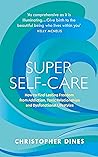
― Super Self Care: How to Find Lasting Freedom from Addiction, Toxic Relationships and Dysfunctional Lifestyles
― Super Self Care: How to Find Lasting Freedom from Addiction, Toxic Relationships and Dysfunctional Lifestyles
“People pleasing and putting others first literally diminished my mental, emotional, spiritual and physical well-being. Overwhelmingly, most emotionally wounded people demonstrate this trait. Many of us have been programmed to put others first; to be of service to others before we serve ourselves.”
― Drug Addiction Recovery: The Mindful Way
― Drug Addiction Recovery: The Mindful Way
“The human brain is incredible in its capacity to heal and rewire itself. The human brain can be shaped and trained to be more resilient, calm, compassionate and alert—we can condition ourselves to be successful. Through mindfulness meditation, we can literally re-wire our brains through new experiences, which modify our neural network and our neural chemistry. Mindfulness also enhances gamma synchrony and improves the function of the human brain.”
― Mindfulness Burnout Prevention: An 8-Week Course for Professionals
― Mindfulness Burnout Prevention: An 8-Week Course for Professionals
“Maybe (Taoist story)
A classic ancient story illustrates the importance of equanimity and emotional resilience beautifully. Once upon a time, there was a wise old farmer who had worked on the land for over 40 years. One morning, while walking to his stable, he noticed that his horse had run away. His neighbours came to visit and sympathetically said to the farmer, “Such bad luck”.
“Maybe,” the farmer replied. The following morning, however, the horse returned, bringing with it three other wild horses. “Such good luck,” the neighbours exclaimed.
“Maybe,” the farmer replied. The following afternoon, his son tried to ride one of the untamed horses and was thrown off, causing him to break his leg. The neighbours came to visit and tried to show sympathy and said to the farmer, “how unfortunate”.
“Maybe,” answered the farmer. The following morning military officials came to the farmer’s village to draft young men into the army to fight in a new war. Observing that the farmer’s son’s leg was broken, they did not draft him into the war.
The neighbours congratulated him on his good luck and the farmer calmly replied, “Maybe”.”
― Mindfulness Burnout Prevention: An 8-Week Course for Professionals
A classic ancient story illustrates the importance of equanimity and emotional resilience beautifully. Once upon a time, there was a wise old farmer who had worked on the land for over 40 years. One morning, while walking to his stable, he noticed that his horse had run away. His neighbours came to visit and sympathetically said to the farmer, “Such bad luck”.
“Maybe,” the farmer replied. The following morning, however, the horse returned, bringing with it three other wild horses. “Such good luck,” the neighbours exclaimed.
“Maybe,” the farmer replied. The following afternoon, his son tried to ride one of the untamed horses and was thrown off, causing him to break his leg. The neighbours came to visit and tried to show sympathy and said to the farmer, “how unfortunate”.
“Maybe,” answered the farmer. The following morning military officials came to the farmer’s village to draft young men into the army to fight in a new war. Observing that the farmer’s son’s leg was broken, they did not draft him into the war.
The neighbours congratulated him on his good luck and the farmer calmly replied, “Maybe”.”
― Mindfulness Burnout Prevention: An 8-Week Course for Professionals
“Love addicts often pick partners who are emotionally unavailable because deep down, they don’t feel worthy of having a healthy, loving relationship. A love addict craves and obsesses about becoming enmeshed or ‘one’ with another human being at all costs, even if it means putting themselves in potential danger.”
― The Kindness Habit: Transforming our Relationship to Addictive Behaviours
― The Kindness Habit: Transforming our Relationship to Addictive Behaviours
“It has been said that bereavement is a state of loss and grief is a response to loss. To grieve is a natural and healthy response to our losses. It is nature’s way of letting us heal and open ourselves up to a new chapter in our lives.”
― Drug Addiction Recovery: The Mindful Way
― Drug Addiction Recovery: The Mindful Way
“Understanding why we are afraid to grieve is a prelude to transforming our lives. Getting in touch with our deepest fears and airing them in a safe space can be incredibly liberating.”
― Drug Addiction Recovery: The Mindful Way
― Drug Addiction Recovery: The Mindful Way
“Meditation is a powerful practice which can help us to heal our emotional pain. To observe our thoughts and feelings requires willingness and gentleness. We cannot be rigid and harsh on ourselves and hope to feel serene. We have to be willing to go easy on ourselves. The only way to be present and gain the benefits of mindfulness is to love ourselves unconditionally. This is a gradual process.”
― Super Self Care: How to Find Lasting Freedom from Addiction, Toxic Relationships and Dysfunctional Lifestyles
― Super Self Care: How to Find Lasting Freedom from Addiction, Toxic Relationships and Dysfunctional Lifestyles
“To be gentle with ourselves requires a willingness to be exposed and perhaps be hurt. As I have already suggested, there is nothing weak or ‘cowardly’ about gentleness, especially when we are relearning to live in this world by minimizing our ‘numbing strategies’ so that we can practise super self-care. When we face our fears, we are acting courageously. Courage happens in the mundane. If we observe people in our local community, we can see courage being practised all around us. Just turning up for life every day requires courage, especially when we are prepared to be present.”
― Super Self Care: How to Find Lasting Freedom from Addiction, Toxic Relationships and Dysfunctional Lifestyles
― Super Self Care: How to Find Lasting Freedom from Addiction, Toxic Relationships and Dysfunctional Lifestyles
“Mental stories can literally spoil a human life. It took me a long time to become aware of my mental commentary, such as: “Everything always goes wrong”, “I won’t be accepted”, “I’m a failure” or “What’s the point?” Those fears were deep-rooted and triggered many upsetting addictive patterns of behaviour”
― The Kindness Habit: Transforming our Relationship to Addictive Behaviours
― The Kindness Habit: Transforming our Relationship to Addictive Behaviours
“Guilt is imperative if we are to create and sustain a decent code of ethics and a sound moral compass. Guilt can help us to listen to our conscience, enhance empathy, and therefore have fulfilling relationships. Without guilt, we would live in an extremely dark world. However, misplaced guilt often triggers us to be over-apologetic and people-please. Many people repeat the word ‘sorry’ without needing to, while still others feel guilty for their very own existence. Emotionally wounded, shame-based people often feel that they are constantly ‘getting in the way’. This stems from a sense of feeling unlovable. To ask for one’s own needs to be met often results in a feeling of guilt. I call this misplaced guilt. Similarly, a person may feel guilty even if they have been abused or harmed by others. Misplaced guilt or excessive guilt stifles people’s chances to live happily and peacefully.”
― Super Self Care: How to Find Lasting Freedom from Addiction, Toxic Relationships and Dysfunctional Lifestyles
― Super Self Care: How to Find Lasting Freedom from Addiction, Toxic Relationships and Dysfunctional Lifestyles
“Shame attacks can be triggered by the most unremarkable events. We might smell a scent that subconsciously reminds the body of a shameful or traumatic event.”
― Drug Addiction Recovery: The Mindful Way
― Drug Addiction Recovery: The Mindful Way
“My very best thinking led me to a therapist’s office weeping and pleading for help regarding my alcoholism at the age of 19. I thought I could ‘manage’ my alcohol addiction, and I failed miserably until I asked for help. My older friends in recovery remind me that I looked like ‘death’ when I started attending support groups. I was not able to give eye contact, and I covered my eyes with a baseball cap. I had lost significant weight and was frightened to talk to strangers. I was beset with what the programme of Alcoholics Anonymous describes as ‘the hideous Four Horseman – terror, bewilderment, frustration and despair’. Similarly, my very best thinking led me to have unhappy, co-dependent relationships. I can go on. The problem was I was dependent on my own counsel. I did not have a support system, let alone a group of sober people to brainstorm with. I just followed my own thinking without getting feedback. The first lesson I learned in recovery was that I needed to check in with sober and wiser people than me regarding my thinking. I still need to do this today. I need feedback from my support system.”
― Super Self Care: How to Find Lasting Freedom from Addiction, Toxic Relationships and Dysfunctional Lifestyles
― Super Self Care: How to Find Lasting Freedom from Addiction, Toxic Relationships and Dysfunctional Lifestyles
“When we practise self-compassion, we look after ourselves just as though we are nurturing a small child. In fact, a major part of grieving our original pain work (so that we can heal and be emotionally liberated) is to re-parent ourselves and reconnect with our inner child.
This is what the author, John Bradshaw, meant by ‘reclaiming our inner child’. In recovery, we can begin to nurture our inner child and connect deeply with our heart and spirit.”
― The Kindness Habit: Transforming our Relationship to Addictive Behaviours
This is what the author, John Bradshaw, meant by ‘reclaiming our inner child’. In recovery, we can begin to nurture our inner child and connect deeply with our heart and spirit.”
― The Kindness Habit: Transforming our Relationship to Addictive Behaviours
“Spiritual and emotional recovery are possible because the human brain is a living organ that we can transform by making new choices and being in non-shaming recovery-based environments.”
― Drug Addiction Recovery: The Mindful Way
― Drug Addiction Recovery: The Mindful Way
“The Karpman drama triangle is a classic model of codependent behaviour. First of all, a codependent will rescue someone. Then, when their ‘brave and charitable’ work hasn’t been acknowledged, they become very angry at the person they have attempted to rescue. And finally, they start to feel like a victim. They feel sorry for themselves and complain how the person they rescued never appreciated them. The important thing to learn here is that if a person wants to change, it’s because they have made a decision to do so.”
― The Kindness Habit: Transforming our Relationship to Addictive Behaviours
― The Kindness Habit: Transforming our Relationship to Addictive Behaviours
“Being able to be aware that we have thoughts, but that we are not our thoughts, is a major breakthrough for people seeking emotional health and spiritual wellbeing.”
― Drug Addiction Recovery: The Mindful Way
― Drug Addiction Recovery: The Mindful Way
“Jealousy and possessiveness in romantic relationships often destroy trust and mutual respect. Very often a jealous partner is re-enacting his pain from childhood. If he was emotionally and physically abandoned in childhood, he may be prone to jealousy in a romantic relationship. If a teenage girl was betrayed by her first love, and consequently was emotionally scarred, she may develop jealousy regarding future romantic relationships. Jealousy in a romantic relationship is based on control and possessiveness. A person suffering from jealousy unconsciously believes she is going to lose something or someone she does not own. The partner is afraid of losing her partner. She views him as an object, a possession. No one is a possession of another. The idea that we own or partly own our lovers, even if the sense of ‘ownership’ is purely emotional, is a delusion which brings suffering in its wake.”
― Super Self Care: How to Find Lasting Freedom from Addiction, Toxic Relationships and Dysfunctional Lifestyles
― Super Self Care: How to Find Lasting Freedom from Addiction, Toxic Relationships and Dysfunctional Lifestyles
“The more we uncover who we are not and discard our disempowering unconscious behaviours, the more closely we can be in sync with our true, authentic selves.”
― Super Self Care: How to Find Lasting Freedom from Addiction, Toxic Relationships and Dysfunctional Lifestyles
― Super Self Care: How to Find Lasting Freedom from Addiction, Toxic Relationships and Dysfunctional Lifestyles
“For many emotionally wounded addicts, the idea of grieving is a daunting prospect. To regularly grieve does require courage and a desire to heal - but rest assured; the resulting gains from these efforts are profound.”
― Drug Addiction Recovery: The Mindful Way
― Drug Addiction Recovery: The Mindful Way