
Which karma propels our next rebirth?
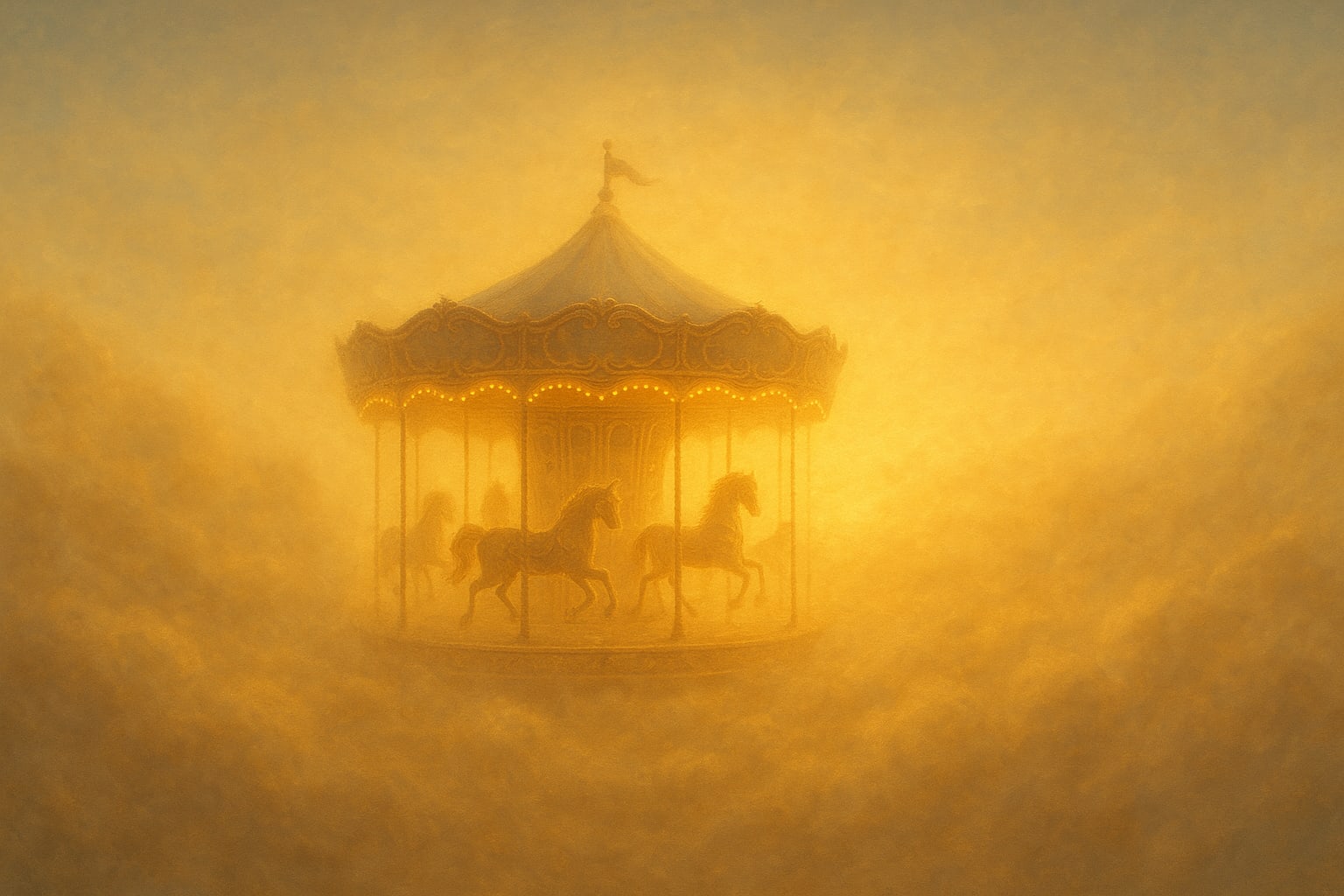
Most of us would probably like this lifetime to be our last round on the samsara carousel. I certainly am one! The idea of having to do it all over again, even if in more auspicious circumstances, isn’t an enticing prospect.
But what happens if we’re not quite there yet? If our efforts to accumulate limitless virtue and purify negativities aren’t enough to get us over the line?
What then?
Advanced meditators confirm what the Abhidharmakośa and subsequent texts say: that when we reach the final moment of the death process, the experience of clear light, whatever karma arises at that time sets up the framework for our next lifetime. It is an extraordinarily important point of transition. Which is one reason why Buddhists place such great emphasis on helping people have a peaceful death.
The experience of clear light is one that arises after all gross physical and mental systems have shut down. Our physical body is no longer functioning, nor are our senses or our brain. All that remains is very subtle mind and very subtle energy indicated by a slight warmth at the heart.
We are not experiencing anything like a normal wakened state and not capable of conscious decision making. That kind of ‘executive functioning’ is no longer possible. What arises is more at a level of habit and propensity.
With countless karmic seeds planted throughout our lives, which one will determine our next rebirth?
Four factors decide which karma takes precedence at the time of death. Understanding these offers not only insight into the workings of rebirth but also guidance on how to live in the here and now.
1. The weightiest karma
The first factor to decide what karma takes precedence is the heaviness or gravity of our actions. Some karmas are far more powerful than others because of such factors as the intensity and state of mind behind them or the object involved.
A single act of great compassion, performed with pure intention, can outweigh many smaller positive deeds. Likewise, an act of serious harm — such as taking a life or causing deep suffering through hatred or deceit — can overshadow many lighter misdeeds.
Our strongest actions leave the deepest imprint on the mind stream. At death, these heavy karmas rise first, like the most prominent stones in a riverbed revealed when the water runs low.
Reflection: The most powerful moments of our life — whether of kindness or cruelty — have enduring consequences. Each day offers us a chance to shape that legacy.
2. The karma most prominent at the time of death
If no weighty karma stands out, then the determining factor becomes what is present in the mind at the moment of death.
Whatever arises most vividly in our final moments — a memory, emotion, or mental habit — will direct the flow of consciousness, just as a breeze directs a feather.
If we ever find ourselves with someone who is dying, the most precious gift we can offer them is calm. If they are religious, reflect back to them whatever their tradition finds uplifting – for example, that God, or their loved ones, are waiting for them. If they are not religious, remind them of all they have done to help others, or all the happiness and love they have shared. In the case of pets or other animals, a calm, loving voice and perhaps the recitation of a favourite mantra may be helpful.
What we want to avoid is fear, anger, or grasping. That can only set up negative consequences.
Reflection: Training the mind now for our own time of death is the most reliable preparation for that moment.
3. The habitual karma
If no strong or death-proximate karma predominates, then the next deciding factor is habitual karma — the tendencies we’ve cultivated repeatedly through thought, speech, and action.
Each time we respond with patience instead of anger, generosity instead of self-centredness, we strengthen positive mental patterns. Over years, these become grooves — our mind’s ingrained, habitual routes.
When the stability of the body falls away at death, the mind naturally follows its most familiar patterns. We are propelled by subtle currents arising from our mental routines, our tendencies, our own personal ‘normal.’ A person for whom kindness or some other virtue has become a habit, will find that it arises spontaneously. Likewise, the opposite.
Reflection: Our rebirth arises from the mental habits we create. Every time we resist the urge to vent angrily at what seems outrageous, every time we focus compassionate support on those who we can help, we are not only benefiting in the here and now. We are creating the framework in which we will experience reality in our next life.
4. The first-created karma
Finally, when all else is equal — no karma is especially weighty, none arises vividly, none has become habitual — the karma that was created first among those of equal strength will ripen first.
This is a subtle point, sometimes called the priority of first-created karma. It underpins the continuity of cause and effect, just as the first seed planted among equals sprouts first when conditions are right.
Although this principle seldom decides our rebirth on its own, it reflects the precision of karmic principles: nothing is random. Even the order in which we act carries meaning.
Reflection: Every choice, even our earliest ones, leaves a karmic imprint. Nothing is lost or forgotten.
The Deeper Message
Together, these four factors reveal how every rebirth arises not by chance, but by mind and intention.
Karma is not fate, nor punishment. It’s not being done to us or happening ‘out there.’ It is is the natural unfolding of causes we ourselves set in motion. And because karma is created moment by moment, it can be transformed moment by moment. In particular we can take powerful and deliberate action to purify whatever negative karma we have accumulated and to cultivate extraordinary virtue and merit. I write frequently about just these practices.
At the time of death, our very subtle minds reach instinctively for what is familiar, strong, and emotionally charged. If we have spent a lifetime nurturing love, patience, and insight, those will be the companions that guide us on our journey through the bardo – necessarily a different experience for each one of us – and propel us into our next lifetime.
If agitation, resentment, or fear dominate our days, these too are likely to appear when everything else slips away.
This teaching invites us to live as if death matters now — not morbidly, but with luminous awareness that every thought and deed is the seed of future experience. Perhaps even a very important seed.
A Contemplation
We may pause for a quiet reflection:
If I were to die tonight, what mental state would most likely arise in me?
Which habits have I strengthened through daily repetition?
What weightiest actions might colour my final moments?
Such questions are not meant to cause anxiety but to awaken wisdom — the understanding that we are creating our future even as we read these words.
Living with Awareness
In the end, this teaching is profoundly hopeful. Each of us carries within our mind stream countless seeds — some bright, some shadowed — but we can choose which to water. With determination, we can let go of the negatives and cultivate the most extraordinary virtue and merit: why not? Where’s the downside?
We can try practicing gratitude when we wake: - ‘how lucky are we?’ - patience in traffic, generosity in our relationships, mindfulness as we fall asleep. Each one of these subtly shifts our consciousness and empowers a stronger momentum in who we are now and how our future unfolds.
It’s a time-honoured adage in the East that only when we face death do we truly know how to live. The time to prepare for our death is not in the hours, days or weeks before.
It is now.
Each moment of kindness, clarity, and wisdom is not only a source of joy in the moment. These are also the greatest gifts we can bestow on the future self who will inherit them.
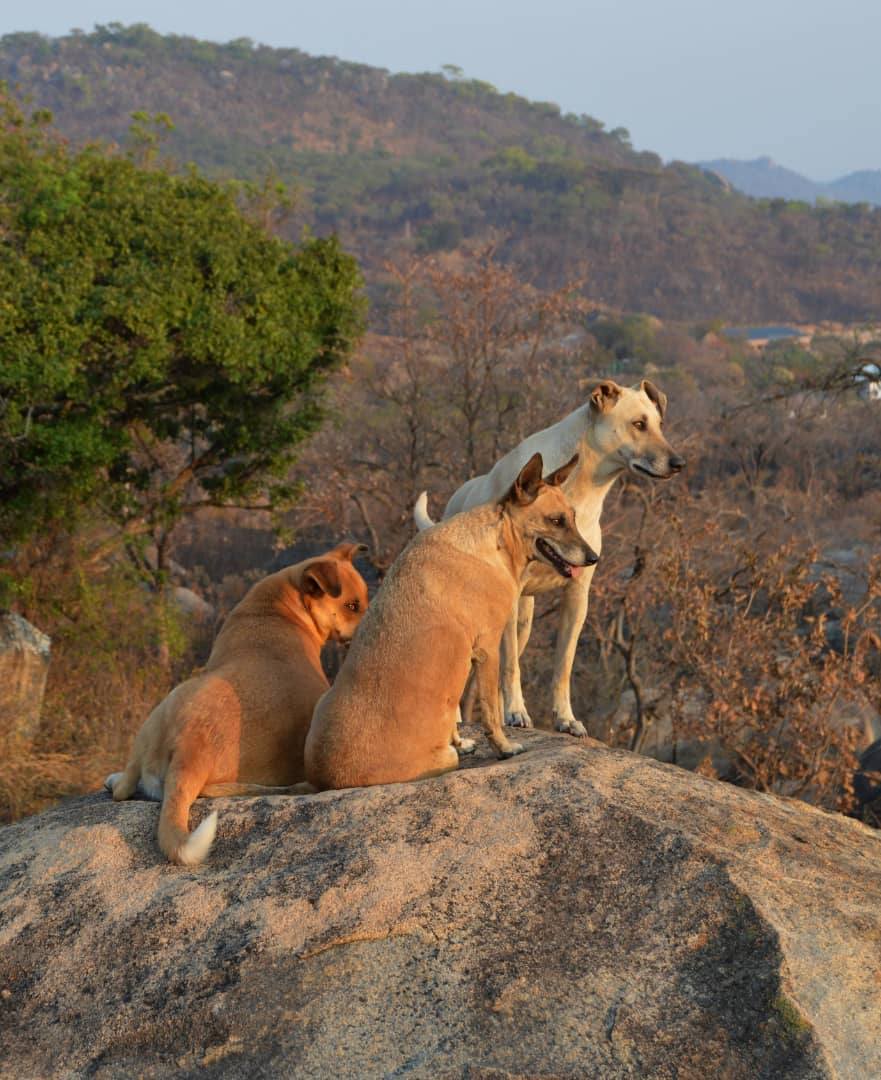
Today’s nonprofit update comes from Twala Trust Animal Sanctuary, one of the nonprofits we collectively donate to.
Among Twala’s many activities is its support for dogs belonging to very poor people in the rural Goromonzi community. Such a beautiful scene above, and the dogs are in such great condition!
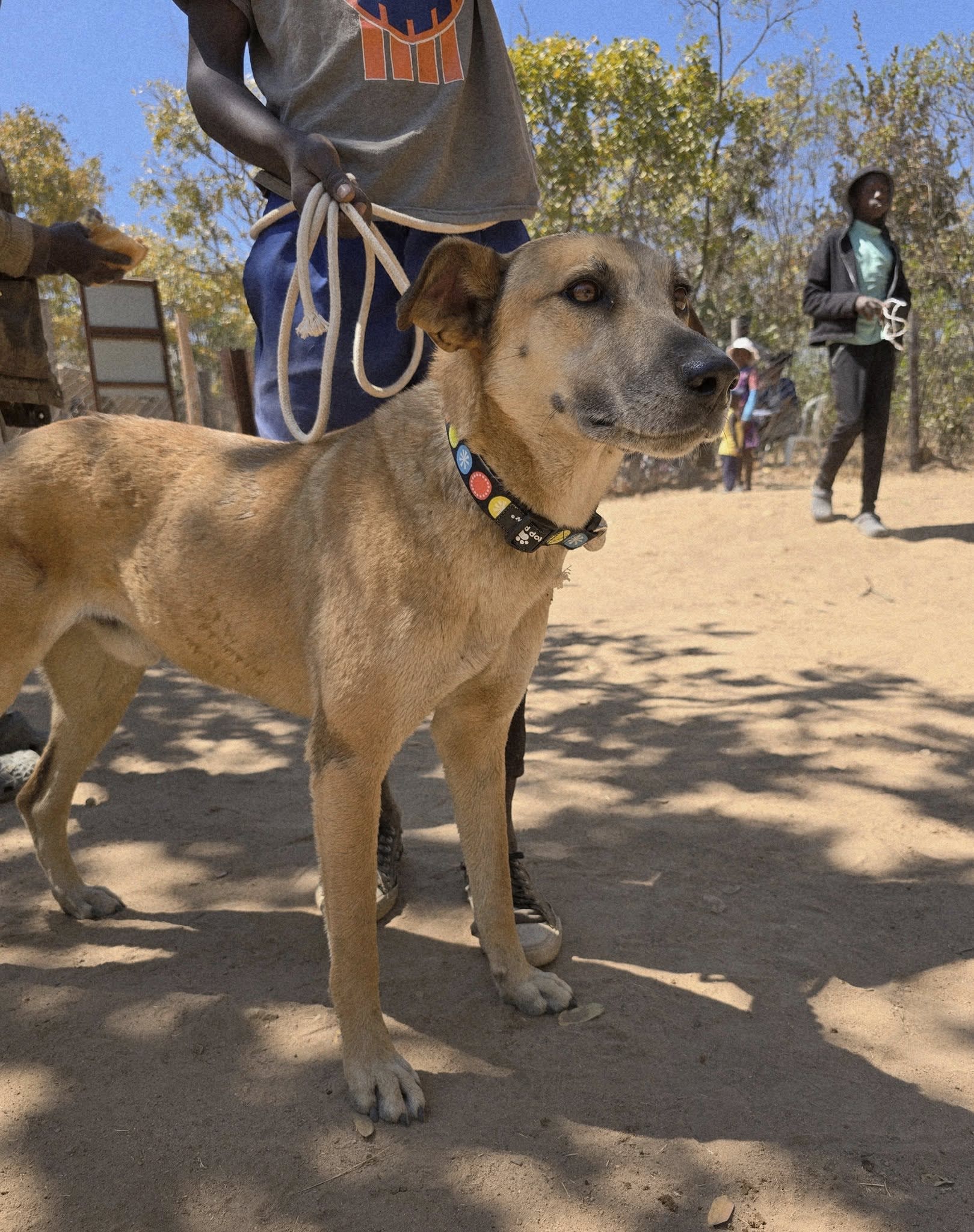
As Sarah explains: The care we provide is holistic - veterinary treatment, nutritious food, parasite control including fly control, comfortable collars and safe leashes and support and advice for the community dog owners.
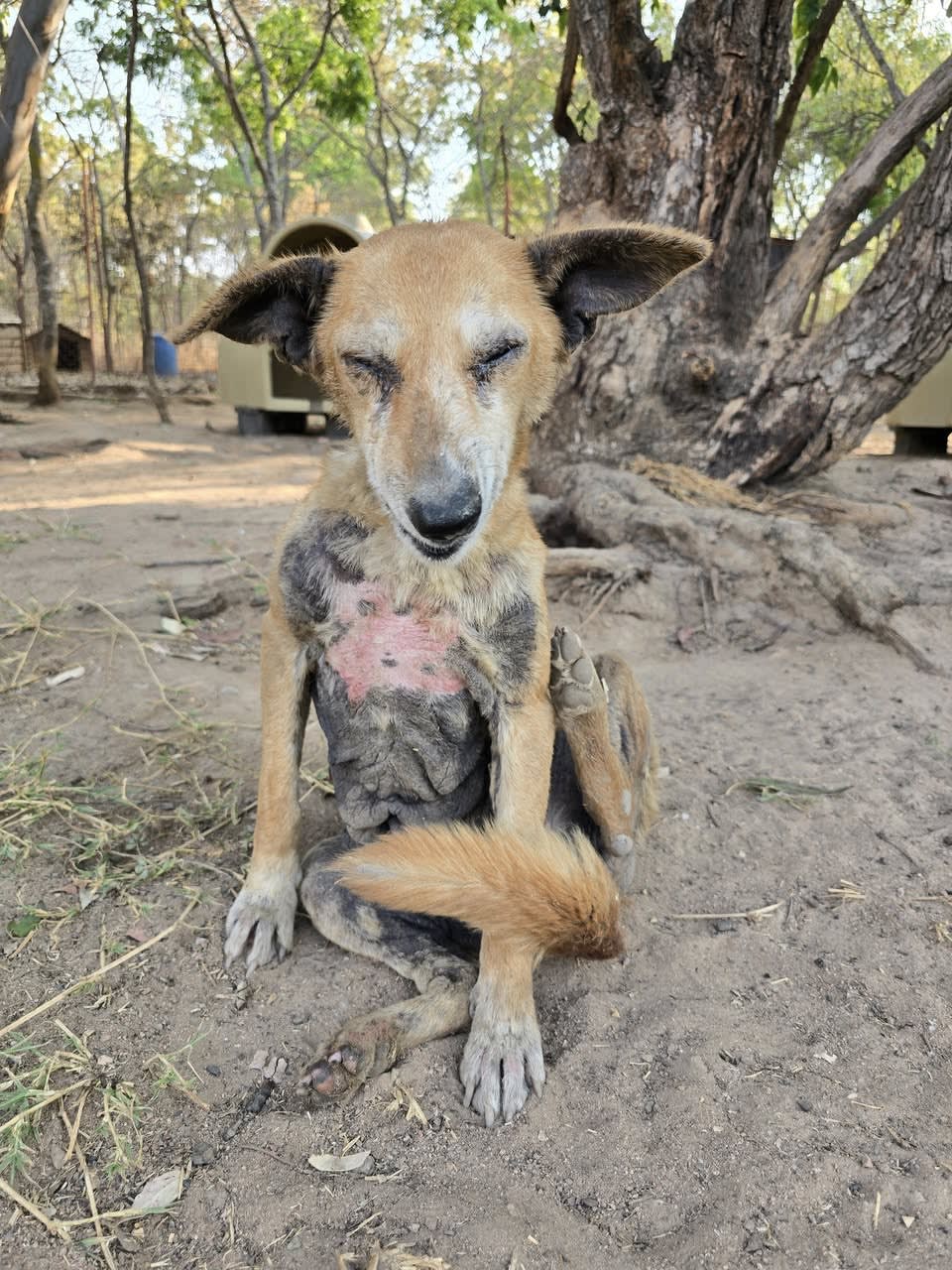
Sometimes, the stories are not so happy: This very old dog with only a few stumps left for teeth, one of the worst flea allergies we have ever seen, mammary tumours and an agonising eye infection arrived in desperate need of help today. She is so frail and broken, but she ate a delicious dinner of soft, nutritious food and she has begun various courses of medications. When I was cleaning her crusted eyes she let out one tiny whimper but otherwise she is completely shut down and resigned to the utter misery that must have been her life for a very long time.
That changes from today. She has been taken in by Twala and is not a member of the Waggley Tail Club. For as much time as she has left, we will do everything in our power to give her healing and kindness and gentle care.
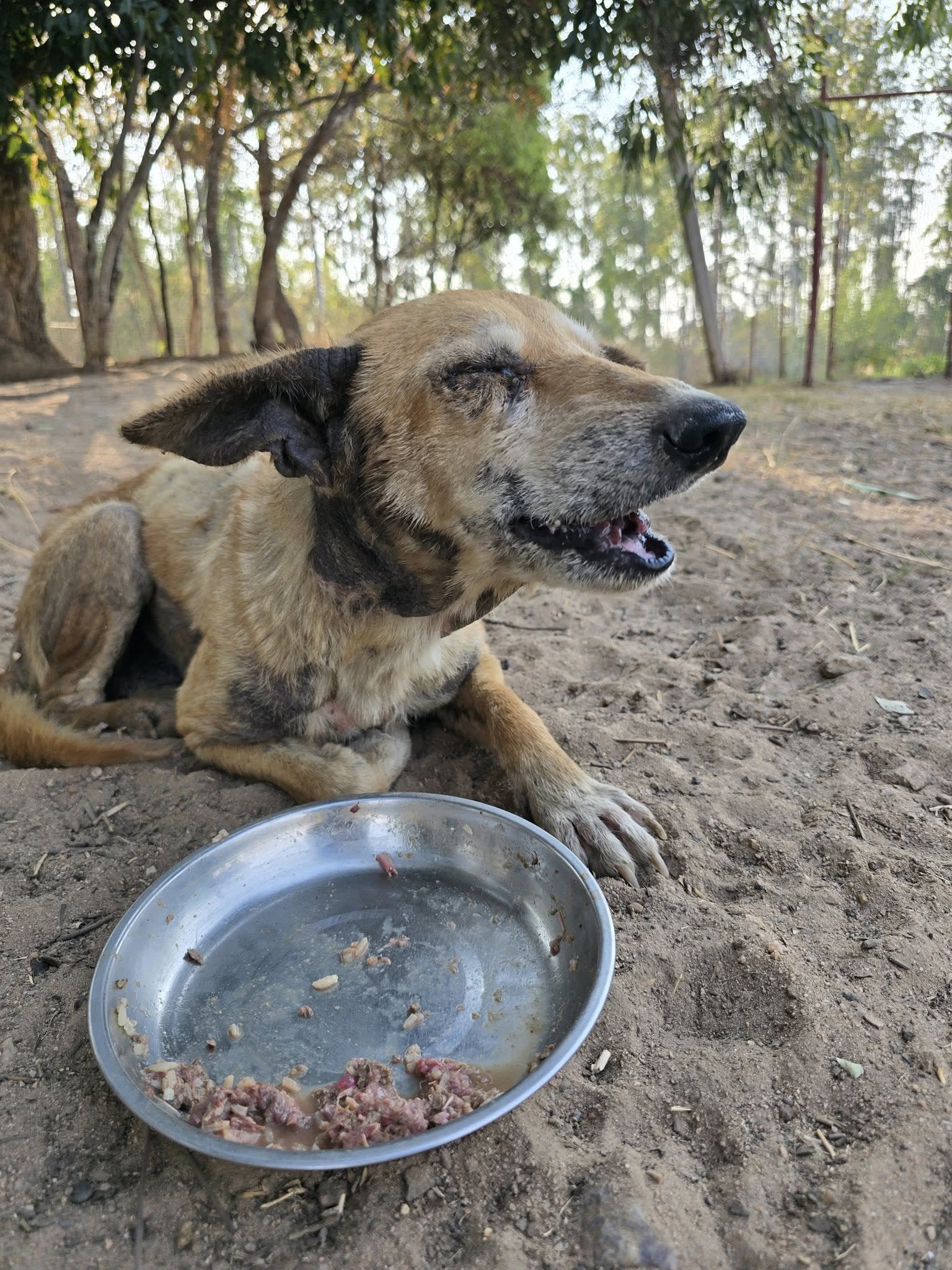
Photo: delicious and nutritrious food after a lifetime of neglect.
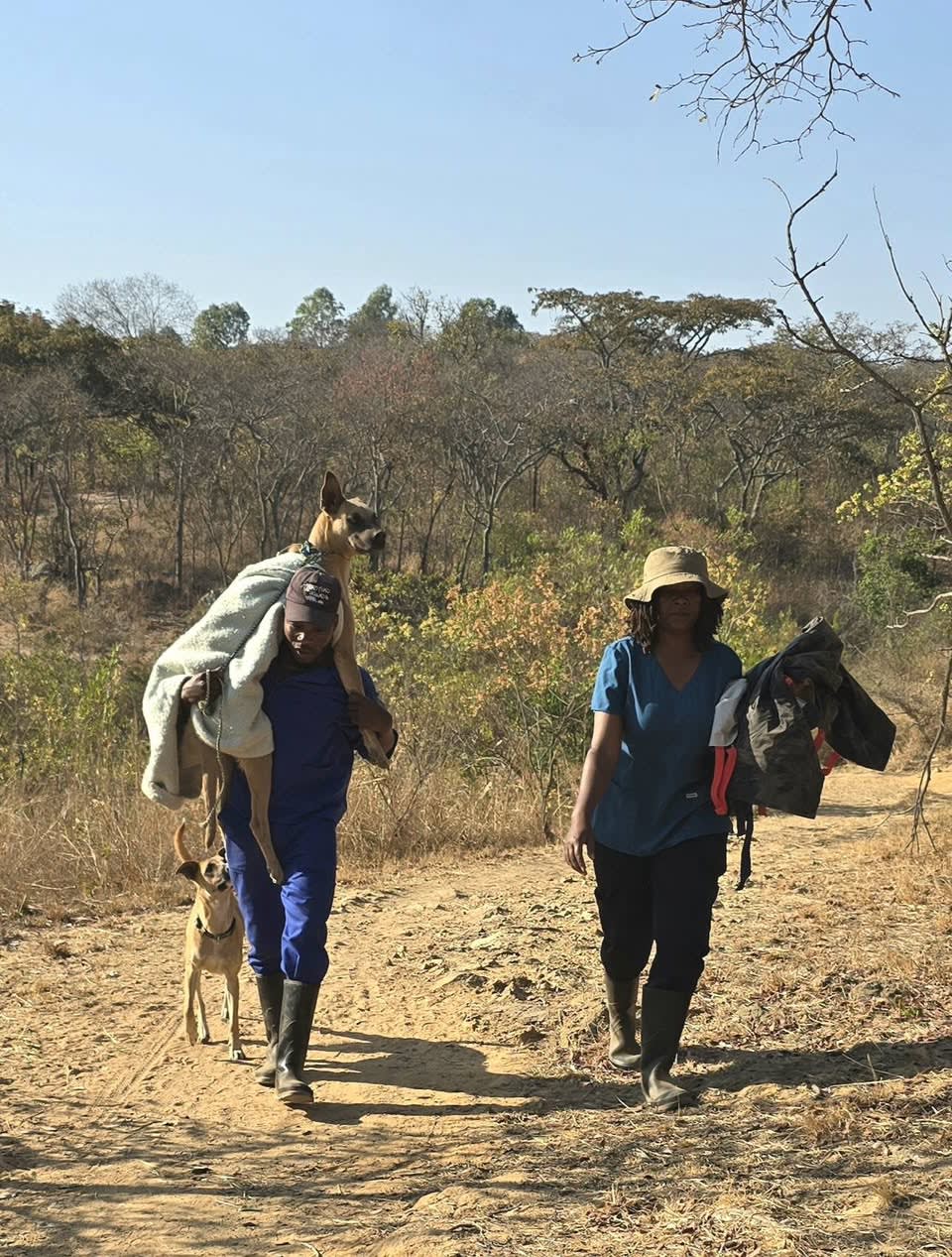
Photo: if they can’t walk, they will be carried
Sarah, Vinay and the team at Twala Trust do the work of bodhisattvas, caring more about the wellbeing of others than themselves. They are truly inspiring, and in supporting their work we are empowering loving kindness in a place where it is desperately needed.
Returning to the theme of this post, when we turn our hearts toward helping those who embody compassion in action, something profound happens within us. Each act of support strengthens the same virtuous qualities in our own minds. We begin to cultivate the reflex of goodness — to think, feel, and respond with kindness more naturally. Gradually, our experience of life itself starts to change. The world feels lighter, clearer, more connected. And in doing so, we plant the seeds of virtuous karma that may ripen at the most crucial moment of all — the threshold between this life and the next.
May all beings have happiness and the true causes of happiness!
May all beings be free from suffering and the true causes of suffering!
May all beings never be parted from the happiness that is beyond suffering!
And may all beings abide in equanimity, free from desire, hatred and free from ignorance!
Please feel free to share or restack this post if you know anyone who may find it helpful.




![[image error]](https://substackcdn.com/image/fetch/%24s_!tttr!,f_auto,q_auto:good,fl_progressive:steep/https%3A%2F%2Fsubstack-post-media.s3.amazonaws.com%2Fpublic%2Fimages%2F35cea01d-e047-493c-9ebd-4080e32815e4.png)
![[image error]](https://substackcdn.com/image/fetch/%24s_!uMQh!,f_auto,q_auto:good,fl_progressive:steep/https%3A%2F%2Fsubstack-post-media.s3.amazonaws.com%2Fpublic%2Fimages%2Ff0a05a3a-6cd3-416a-8ec2-05e0b5279c32.png)