
Character vs Plot: Why This Writing Debate Is Completely Wrong.
Alright, let’s gently but firmly kick this old debate in the shins.
“Are you a character-driven writer or a plot-driven writer?”
It sounds profound. It sounds like a real writer question. It is… mostly nonsense.
The character vs. plot debate refuses to die, partly because it feels intuitive. Some stories seem to thrive on intricate twists and high-concept premises. Others linger on people, emotions, and relationships. So we pick sides. We declare allegiance. We build entire writing identities around it.
But here’s the inconvenient truth: character vs. plot is the wrong question. Not incomplete. Not outdated. Wrong. And once you see why, a lot of storytelling confusion suddenly evaporates.
6 Reasons Character and Plot Need Each Other.
#1 – Great Stories Are Inseparable Ecosystems.
(
Fancy Talk for “They Go Together Like Netflix and Procrastination”).
The best stories from the last couple of decades prove that character and plot aren’t enemies, they’re besties who finish each other’s sentences.
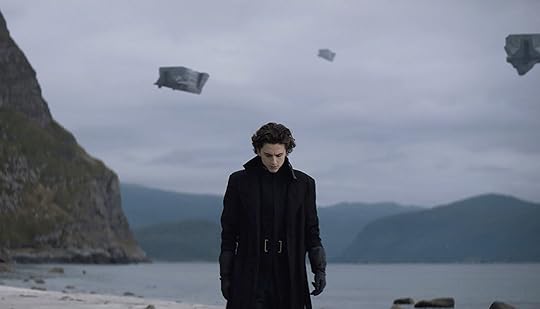
Take Denis Villeneuve’s Dune. Paul Atreides isn’t just standing around looking broody while cool space politics happen around him. His internal freakout about destiny IS the story, and the political scheming IS his character development. You can’t separate them without everything falling apart like a poorly constructed IKEA shelf.
Or how about Madeline Miller’s Circe? Sure, there’s mythology and gods and all that epic stuff happening, but the reason we care is that we’re watching Circe transform from the family disappointment into a total powerhouse. The plot shapes her, she shapes the plot, and honestly, trying to separate them is like trying to unscramble an egg.
And Knives Out? That delicious mystery only works because every single character has their own agenda, secrets, and spectacular capacity for making terrible decisions. Put different people in that mansion, and you’d have a completely different movie.
#2 – Character Is How We Experience Plot.
(AKA Why Wikipedia Summaries Are Boring).
Here’s a fun experiment: go read a Wikipedia plot summary of your favourite movie. Done?
Okay, did it make you cry? Did it make your heart race? Did it make you want to rewatch the whole thing right away?
Probably not, right? That’s because a plot without a character is just a list of stuff that happened. It’s like getting directions to a party versus actually going to the party and dancing badly in the kitchen.
The Hunger Games trilogy nails this. On paper, it’s another dystopian rebellion story, been there, done that, bought the faction T-shirt. But experiencing it through Katniss Everdeen’s traumatised, fiercely protective, emotionally confused brain? That’s what makes us want to volunteer as tribute alongside her. Suzanne Collins could’ve told the exact same rebellion story through a different character’s eyes and created something totally new.
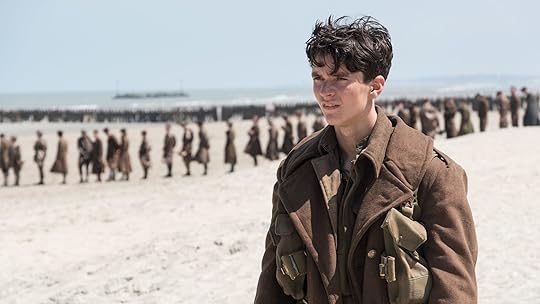
Even Christopher Nolan’s Dunkirk proves this point. We literally know how that evacuation ended, it’s history! But watching it unfold through the panicked perspectives of soldiers, sailors, and pilots makes our palms sweat anyway. Character transforms “facts we learned in school” into “OH GOD WILL THEY MAKE IT?!”

#3 -Plot Is How Character Becomes Visible.
(No Pressure, No Diamonds).
You can tell me someone is brave all day long, but until I see them actually do something brave, it’s just words. Plot is what puts characters in situations where they have to prove what they’re made of.
Andy Weir’s The Martian is basically a masterclass in this. Mark Watney could describe himself as optimistic and resourceful in his dating profile, but that’s boring.
Instead, we watch him science the heck out of Mars while cracking jokes about being a space pirate. The impossible survival challenges aren’t just obstacles, they’re the X-ray machine that lets us see his character down to the bones.
And Breaking Bad? Walter White doesn’t just wake up one day as a ruthless drug lord. Each plot twist, each impossible situation, each encounter with someone scarier than the last person peels back another layer until we see who he really is (and it’s not pretty, folks). The cancer, the meth lab, Gus Fring’s terrifying politeness, these aren’t decorations on a character study. They’re the whole mechanism that reveals Walter’s character like the world’s darkest onion.
#4 – The Question Ignores How We Actually Fall in Love with Stories.
Think about your favourite story moments.
Are you mentally categorising them as “character beats” versus “plot beats”? Of course not!
You remember when Katniss volunteered in place of Prim. When Tony Stark snapped his fingers. These moments are character and plot, having a beautiful baby together.
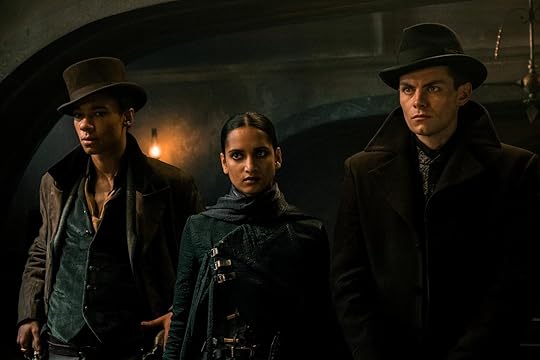
Six of Crows by Leigh Bardugo is basically a heist story that looks at each character’s trauma and says: “How can we make you face EXACTLY the thing you’re most afraid of?” Kaz’s plan forces Inej to infiltrate a pleasure house despite her trafficking trauma. Nina has to confront her addiction. The plot isn’t just randomly torturing these characters (okay, maybe a little), it’s specifically designed to make them grow in the ways they need to.
Jordan Peele’s Get Out works the same way. That horror plot is terrifying because it’s about Chris’s specific experience as a Black man in white spaces. Change the character, and even with the exact same events, you’d have a completely different movie.
#5 – Different Genres Need Different Recipes, Not Different Ingredients.
Some people claim certain genres are “plot-driven” (action! thrillers! explosions!) while others are “character-driven” (literary fiction where people think about trees for three pages).
But this still assumes they’re separate ingredients rather than, you know, the same recipe with different proportions.
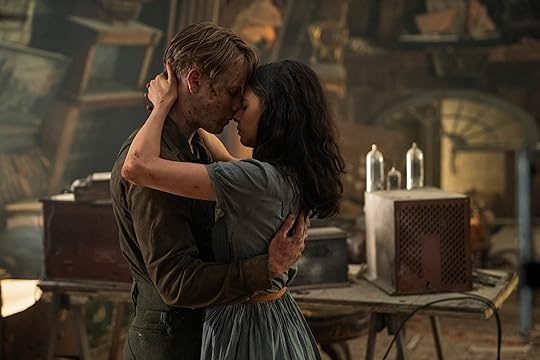
All the Light We Cannot See by Anthony Doerr is fancy literary fiction, right? Character-focused deep thoughts? Sure, but it also has dual timelines, converging paths, and a mystery diamond that creates tension. Meanwhile, Mad Max: Fury Road is two hours of cars going vroom and things exploding, but we care because Max and Furiosa are going through actual emotional journeys while driving really fast.
Your thriller needs characters we care about. Your literary novel needs something to actually happen. It’s not either/or…it’s BOTH, always, just mixed differently.
 #6 – The Debate Is Honestly Just Procrastination with Extra Steps.
Let’s be real: arguing about character versus plot often becomes an excuse to ignore whichever one you find harder.
“I’m a character writer,” you say, while your protagonist sits in a coffee shop thinking beautiful thoughts for 200 pages with zero forward momentum.
Or “I’m all about plot,” you declare, while interchangeable cardboard cutouts race through your action sequences.
Gillian Flynn said “nope” to this entire debate when she wrote Gone Girl. Those plot twists hit like a truck precisely because they make us rethink everything we thought we knew about Nick and Amy. The unreliable narration (character technique!) enables the plot surprises. The structure (plot device!) creates space for psychological depth. Flynn doesn’t choose between character and plot, she uses them to make each other more powerful, like the world’s most twisted power couple.
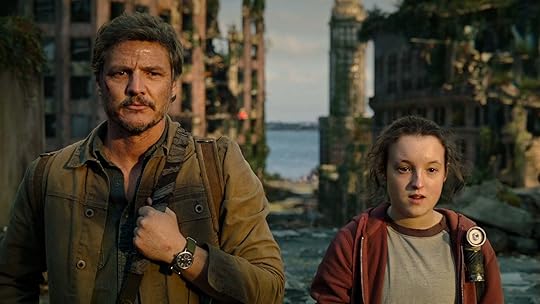
The Last of Us does this, too. Joel and Ellie’s relationship doesn’t develop during commercial breaks from the survival plot. It develops THROUGH the plot, in quiet moments while scavenging for supplies and crisis moments when impossible choices have to be made.
So What Should Writers Ask Instead?Try these questions instead:
What does my character want badly enough to make choices?What forces are making those choices difficult?How does each event change who this person is?What question is the story quietly asking again and again?If you answer those, the character and the plot will stop fighting for dominance. They’ll start collaborating. Because the truth is:
Character without plot is static.Plot without character is hollow.And stories that last refuse to choose between them.They don’t take sides. They move.
Now it’s YOUR turn – What’s a story that nails the character-plot combo?
Would love to get your input in the comment box below.
The post Character vs Plot: Why This Writing Debate Is Completely Wrong. appeared first on Vered Neta.


