Michelle Nelson-Schmidt's Blog
November 30, 2025
The Phoenix Lights: Mass UFO Sighting of 1997
In 1997, thousands of people across Arizona witnessed the famous Phoenix Lights, a massive V-shaped craft silently moving across the sky with synchronized lights. Many described it as enormous and awe-inspiring, with military jets scrambled to investigate. Witness accounts were consistent, yet official explanations such as flare emissions didn’t fit the silent, structured movement. If you’d like to learn more about this intriguing event and its mysterious details, you’ll find plenty more to explore.
Key TakeawaysThe Phoenix Lights were a mass UFO sighting in 1997 involving thousands of witnesses across Arizona.Witnesses described a massive V-shaped craft with synchronized, non-flickering lights.Military aircraft were scrambled, but official explanations, like flares, were contradicted by witnesses.The event lasted several minutes, leaving a lasting impact and fueling ongoing skepticism and curiosity.It remains one of the most well-documented and discussed UFO incidents in modern history.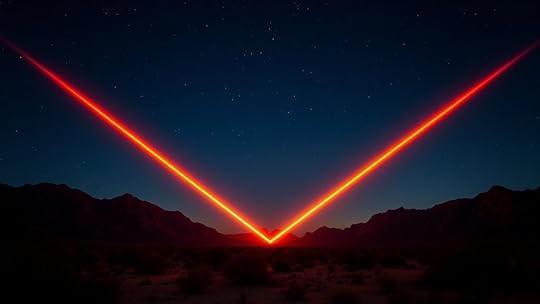
In 1997, a remarkable event unfolded that left many questioning what they had seen: a mass UFO sighting that involved dozens of witnesses across multiple locations. You might have been among those who looked up that night, stunned by the massive V-shaped formation gliding silently across the sky. Eyewitness testimonies poured in, describing a craft that was enormous, with lights that seemed to pulse in perfect synchronization. Many of those who observed the lights felt a mixture of awe and confusion, struggling to find a logical explanation for what they’d witnessed. The sighting wasn’t just a fleeting glimpse; it lasted for several minutes, giving witnesses enough time to process what they saw and to share their accounts with others.
The response from the military was swift and strategic. Military aircraft were scrambled to investigate the unusual lights, and you can imagine the tension as fighter jets flew over the Phoenix area, trying to intercept or identify the mysterious object. Official statements varied: some officials claimed the lights were flares from military exercises, but eyewitness testimonies contradicted that explanation. Many witnesses insist the lights moved silently and in formations that flares could not replicate. The military’s responses, however, were often dismissive or inconsistent, fueling further suspicion and speculation among the public. Some reports even suggest that military personnel attempted to downplay the incident, while others acknowledge that the objects defied conventional explanation.
As you explore the testimonies, you realize how consistent many accounts are despite the chaos of the moment. Witnesses describe seeing a massive, V-shaped craft with lights that never flickered or changed shape. Some recall how the lights appeared to hover and then suddenly accelerate out of sight, leaving behind a sense of wonder mixed with unease. These eyewitness testimonies create a compelling mosaic of a phenomenon that defies easy explanation, challenging even skeptics to dismiss it outright. It’s clear that the event left a profound impression on those who saw it, with many vowing never to forget the night they witnessed something extraordinary. The combination of military responses and eyewitness accounts makes the Phoenix Lights one of the most enigmatic and well-documented UFO sightings in history, leaving us to question what truly flew over Arizona that night.
Additionally, ongoing research into UFO phenomena continues to shed light on similar events, helping to contextualize the Phoenix Lights within a broader pattern of unexplained aerial encounters.
Frequently Asked QuestionsWere Any Government Officials Involved in the Investigation?You should know that government officials were involved in the investigation, but many believe there was a government cover-up. Official statements initially downplayed the sighting, claiming it was flares or aircraft. However, witnesses and researchers have questioned these explanations, fueling speculation that officials might have hidden the truth. While some officials publicly acknowledged the event, others kept quiet, leading to ongoing debates about transparency and possible secrecy surrounding the incident.
What Specific Radar Evidence Was Collected During the Sighting?Like a scene straight out of a sci-fi novel, radar anomalies and sensor data captured during the Phoenix Lights reveal unusual activity. You see, radar systems detected inconsistent blips and unexplainable movements, suggesting something beyond normal aircraft. This specific radar evidence points to anomalous readings that challenge conventional explanations, fueling curiosity and debate. Such data continues to intrigue investigators, hinting at a mysterious phenomenon hiding just beyond our understanding.
Have Any Similar Sightings Been Reported Worldwide?Yes, similar sightings have been reported worldwide, fueling extraterrestrial hypotheses and debates about aerial phenomena. You might notice reports from countries like Belgium, Mexico, and the UK, where witnesses describe unusual lights and craft in the sky. These events often share characteristics with the Phoenix Lights, suggesting a pattern of unexplained aerial phenomena that challenge conventional explanations and keep the mystery alive across different cultures and regions.
Did Any Military Aircraft Respond to the Lights?Yes, military aircraft did respond to the Phoenix Lights. Radar detection picked up unidentified objects, prompting a military response. Witnesses reported seeing fighter jets scramble to investigate the lights, although official explanations remain inconclusive. Your curiosity about military involvement highlights the significance of radar technology and response protocols during such unexplained sightings, emphasizing how authorities often react swiftly to guarantee airspace security when strange lights appear.
What Are the Leading Scientific Explanations for the Phenomenon?You’d find that the leading scientific explanations for the Phoenix Lights include atmospheric anomalies like temperature inversions or ball lightning, which can create unusual visual effects. Some experts consider the lights to be unidentified aerial objects caused by these natural phenomena or even flares from military exercises. While these explanations aim to account for the sighting, the true nature of the lights remains debated, leaving room for ongoing investigation and curiosity.
ConclusionYou witnessed the Phoenix Lights, a moment that challenged your understanding, ignited your curiosity, and sparked your wonder. You saw the unexplained, questioned the normal, and felt the possibility of something greater. You experienced a mass sighting that united people in awe, in mystery, in hope. And though questions remain, the memories persist, reminding you that sometimes, the universe reveals its secrets just enough to leave you longing, dreaming, and believing in the extraordinary.


Ancient Chinese Textiles Showing Phoenix Molting Cycles
Ancient Chinese textiles often depict phoenix molting cycles as symbols of renewal, transformation, and resilience. You’ll notice detailed embroidery and vibrant dyes capturing the phoenix’s shedding feathers and rebirth, reflecting cultural values of virtue and hope. These designs highlight the phoenix’s dynamic poses and flowing lines to symbolize change. Exploring further reveals how these motifs embody profound spiritual and societal meanings that have shaped Chinese textile art over centuries.
Key TakeawaysAncient Chinese textiles depict phoenix molting with flowing feathers shedding, symbolizing renewal and transformation.Textile designs often highlight the dynamic phases of a phoenix’s molt through stylized feathers and movement.Natural dye techniques emphasize color gradients to illustrate the shedding process and rebirth symbolism.Embroidered motifs include detailed representations of feathers falling, emphasizing the cycle of renewal.Preservation of these textiles reveals intricate depictions of phoenix molting, reflecting cultural beliefs in rebirth and resilience.The Symbolism Behind Phoenix Imagery in Ancient China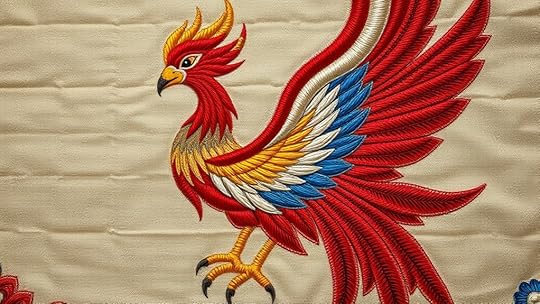
Have you ever wondered why the phoenix is such a prominent symbol in ancient Chinese textiles? The answer lies in its rich phoenix mythology and deep cultural symbolism. In Chinese tradition, the phoenix represents virtue, grace, and renewal, embodying the harmonious balance of yin and yang. It’s seen as a sign of imperial power and auspiciousness, often linked to the Empress and feminine energy. Artists and weavers incorporated phoenix imagery to convey messages of prosperity, longevity, and rebirth. The bird’s vibrant feathers and majestic posture made it an ideal motif for textiles meant to honor gods or royalty. When you see phoenix designs woven into ancient fabrics, you’re witnessing symbols that express hopes for harmony, renewal, and enduring virtue rooted in centuries-old cultural beliefs.
Techniques and Materials Used in Crafting Phoenix Textiles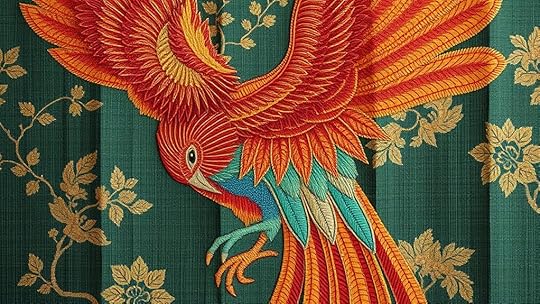
You’ll notice that traditional dyeing methods bring vibrant hues to phoenix textiles, highlighting their symbolic significance. Using silk and natural fibers guarantees the fabrics are both durable and luxurious, reflecting ancient craftsmanship. Exploring these techniques reveals the artistry behind creating these stunning, meaningful textiles.
Traditional Dyeing MethodsWhat ancient techniques did artisans use to achieve the vibrant hues seen in phoenix textiles? They relied on natural dyes extracted from plants, minerals, and insects, carefully selecting materials to obtain rich, lasting colors. Traditional dyeing methods involved multiple dye baths and mordants like alum or iron to enhance dye adherence and improve dye colorfastness. These techniques helped preserve textile quality over centuries, ensuring the colors remained vivid despite time and wear. Artisans also developed methods to control dye penetration, which contributed to textile preservation and consistent coloring. By mastering these dyeing processes, they created textiles that not only showcased striking, vibrant hues but also maintained their beauty, allowing phoenix motifs to symbolize renewal and energy across generations.
Silk and Natural FibersAncient artisans harnessed the luxurious qualities of silk and other natural fibers to craft phoenix textiles that radiate liveliness and elegance. Silk’s sheen and durability made it ideal for capturing intricate phoenix designs and molting cycles. They carefully selected fibers like ramie, hemp, and cotton to enhance texture and color vibrancy. To guarantee textile preservation, they used techniques that minimized deterioration over time, helping these fabrics survive centuries. Today, modern reproduction efforts aim to replicate these iconic textiles, combining traditional methods with advanced preservation techniques. By understanding the materials and craftsmanship, you can appreciate how these natural fibers contributed to the textiles’ resilience and beauty. This knowledge also helps in conserving existing pieces, ensuring their historical significance endures for future generations.
The Significance of Molting Cycles in Chinese Mythology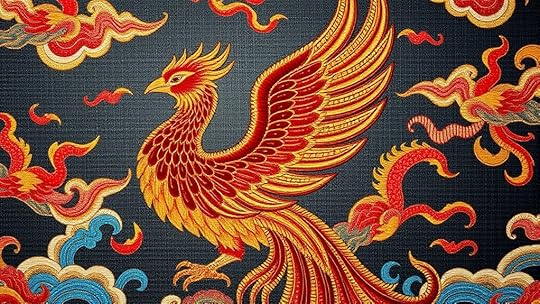
You might notice how molting cycles in Chinese mythology symbolize renewal and transformation. These cycles represent the shedding of old forms to embrace new beginnings. Exploring their mythological significance reveals deep cultural values about growth and rebirth.
Symbolism of RenewalIn Chinese mythology, molting cycles symbolize renewal and transformation, reflecting the natural process of shedding old layers to emerge refreshed. The phoenix symbolism often depicts this renewal, illustrating how the mythical bird undergoes molting to rise anew from ashes. These cycles represent hope, rebirth, and the continuous cycle of life, emphasizing that endings lead to new beginnings. When ancient textiles display phoenix imagery, they convey a message of resilience and renewal, reminding you that change is essential for growth. The concept of molting cycles reinforces the idea that transformation is a crucial part of life’s rhythm. By embracing these cycles, you recognize the power of rebirth and the importance of shedding the past to embrace future possibilities.
Mythological SignificanceMolting cycles in Chinese mythology symbolize profound themes of transformation and renewal that go beyond mere natural processes. The phoenix feather, associated with this cycle, represents rebirth, immortality, and divine power. When the phoenix sheds its old plumage, it signifies a spiritual renewal, emphasizing the importance of continual growth and resilience. This mythological symbolism underscores the belief that destruction precedes creation, inspiring individuals to embrace change as a path to enlightenment. In ancient texts, the phoenix’s molt is seen as a sacred event, reflecting the cycle of life, death, and rebirth. By understanding these mythological themes, you grasp how the phoenix’s molting cycle embodies the enduring human quest for renewal and the eternal hope for transformation.
Artistic Styles Depicting Phoenix Transformation Stages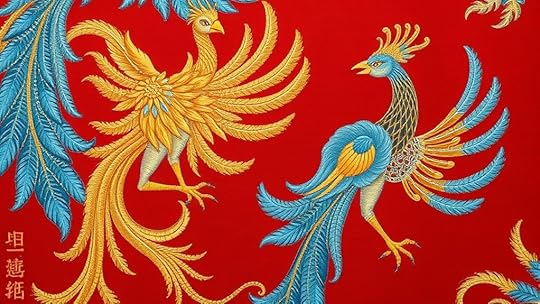
Artists have long captured the transformative stages of the phoenix through vibrant and symbolic imagery, blending mythological significance with refined craftsmanship. In ancient Chinese textiles, these depictions vividly portray the phoenix’s molt, emphasizing feathers shedding and rebirth. The intricate designs often highlight dynamic poses and flowing lines, illustrating different phases of transformation rooted in phoenix folklore. To preserve this delicate artistry, textile conservation efforts focus on maintaining the vivid dyes and detailed embroidery that depict these stages. You might notice how the use of color gradients and stylized feathers convey movement and renewal. These artistic styles serve not only as visual storytelling but also as a testament to the skill of ancient artisans, capturing the myth’s spiritual essence while ensuring the textiles’ longevity for future generations.
Cultural Context and Ritual Use of Phoenix Motifs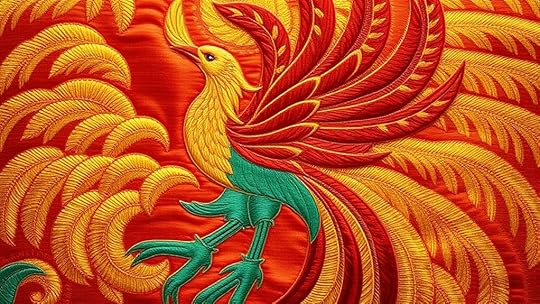
The phoenix motif holds deep symbolic significance in Chinese culture, representing virtues such as virtue, grace, and renewal. In phoenix mythologies, the bird embodies harmony, virtue, and resurrection, making it a powerful symbol in rituals and celebrations. Textile symbolism often reflects these values, with phoenix motifs used in royal garments and ceremonial textiles to convey authority and auspiciousness. During important events like weddings and imperial ceremonies, embroidered phoenix designs serve as protective symbols, believed to bring good fortune and harmony. The recurring presence of phoenix imagery emphasizes its role in affirming social status and spiritual beliefs. As a cultural emblem, the phoenix’s mythological background enriches textile traditions, linking craftsmanship with deeper spiritual and societal meanings.
Iconography and Patterns in Phoenix-Related Textiles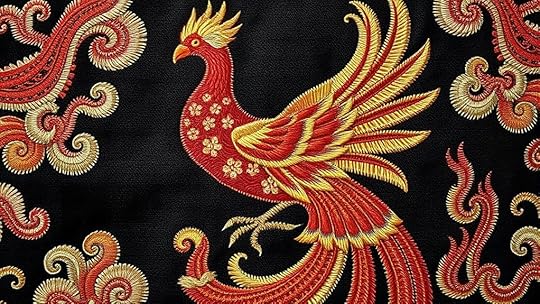
What makes the iconography and patterns of phoenix-related textiles so mesmerizing is their intricate symbolism and stylistic diversity. You notice the detailed imagery of phoenixes with flowing feathers, often intertwined with auspicious symbols like clouds and flames. These textiles showcase masterful tailoring techniques that emphasize the bird’s elegance and movement, highlighting skilled craftsmanship. The patterns often depict multiple phoenixes, symbolizing harmony and renewal, arranged in symmetrical or dynamic compositions. You also see motifs reflecting the phoenix’s molting cycle, representing rebirth. To guarantee these designs endure, textile preservation methods are carefully applied, safeguarding every fine detail. Collectors and artisans alike appreciate how these complex iconographies reveal cultural values while demonstrating the sophistication of ancient Chinese textile artistry.
Preservation and Discovery of Ancient Phoenix Textiles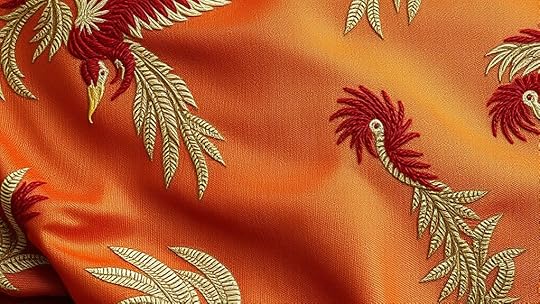
Preserving ancient phoenix textiles requires meticulous techniques to protect their delicate fibers and intricate designs from deterioration over time. Conservators often compare textile preservation to that of ceramic artifacts and calligraphy scrolls, employing specialized cleaning, controlled environments, and gentle handling. Discoveries usually occur during archaeological excavations, where textiles are carefully excavated and stabilized to prevent damage. Preservation efforts focus on maintaining humidity and temperature levels to slow decay, while modern technologies like infrared imaging help identify hidden details without risking harm. When textiles are uncovered, experts document their patterns and context, ensuring accurate historical interpretation. Ongoing research and advanced conservation methods are essential to safeguarding these fragile relics, providing insight into ancient Chinese artistry and the cultural significance of phoenix symbolism.
Comparing Phoenix Depictions Across Chinese Dynasties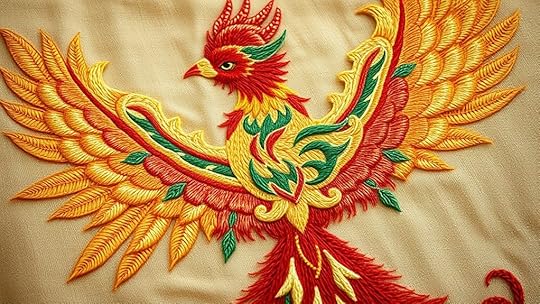
Across Chinese dynasties, phoenix depictions evolved to reflect changing aesthetic ideals, political symbolism, and spiritual beliefs. You’ll notice differences in style, from the intricate, detailed designs of the Han dynasty to the more stylized and simplified forms in later periods. To visualize this, consider:
The use of vibrant colors and elaborate feathers in early textiles, emphasizing phoenix mythology’s grandeur.The shift towards more abstract, symbolic representations during the Tang dynasty, aligning with spiritual beliefs.The increased emphasis on symmetry and formal patterns in Ming dynasty textiles, reflecting political ideals.The impact of textile preservation efforts that reveal how depictions varied while maintaining core symbolic meanings. These changes illustrate how cultural values influenced the artistic portrayal of phoenixes throughout Chinese history.Modern Interpretations and Inspirations From Ancient Phoenix TextilesPhoenix imagery in Chinese art evolved from intricate Han designs to simplified Ming patterns, reflecting shifting cultural values.
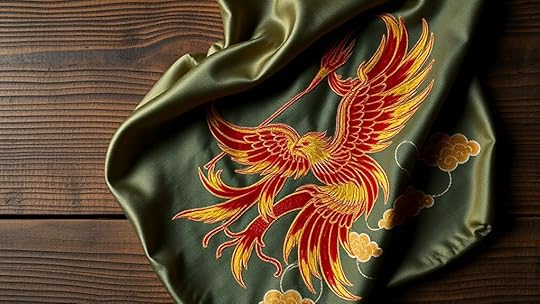
Modern designers draw inspiration from ancient Chinese phoenix textiles to create contemporary art, fashion, and home décor that celebrate cultural heritage. They incorporate phoenix motifs and vibrant colors into modern fashion pieces, blending tradition with innovation. This approach allows for unique, meaningful designs that honor historical craftsmanship while appealing to today’s aesthetic. Additionally, textile conservation efforts focus on preserving these ancient fabrics, ensuring their intricate phoenix representations are maintained for future generations. By studying techniques used in ancient times, designers and conservators find new ways to reinterpret and sustain these textiles. This synergy between modern creativity and historical preservation keeps the myth of the phoenix alive, inspiring fresh expressions rooted in centuries-old symbolism. Ultimately, these efforts bridge past and present, enriching contemporary culture with ancient wisdom.
Frequently Asked QuestionsHow Do Ancient Textiles Illustrate the Molting Cycle of the Phoenix?You see that ancient textiles illustrate the molting cycle of the phoenix through detailed imagery and symbolism. The craftsmanship highlights phoenix symbolism, often depicting the bird shedding feathers to represent renewal. Textile dyeing techniques bring these scenes to life with vibrant colors, emphasizing the cycle of rebirth. By studying these textiles, you can appreciate how ancient artisans captured the myth’s significance, blending artistry with spiritual meaning.
Are There Specific Regions Known for Elaborate Phoenix Textile Designs?You’ll find that regions like Jiangsu and Zhejiang are renowned for their intricate phoenix textile designs. These areas showcase elaborate embroidery that reflects rich cultural influences, often symbolizing rebirth and prosperity. Local artisans dedicate significant skill to capturing the phoenix’s grace and symbolism, making their textiles highly prized. If you explore these regions, you’ll see how regional embroidery traditions beautifully illustrate the cultural importance of the phoenix in local art and fabric.
What Symbols Accompany Phoenix Motifs in Ancient Chinese Textiles?Imagine a vibrant tapestry where phoenix symbolism rises like dawn’s first light. You’ll see textile motifs with dragons symbolizing power, peonies for beauty, and clouds representing celestial domains, all weaving a story of rebirth and harmony. These accompanying symbols enrich the phoenix motifs, creating a layered allegory of renewal. Together, they transform each textile into a vivid narrative, celebrating life’s cyclical nature through intricate, meaningful designs.
How Did the Symbolism of the Phoenix Evolve Over Different Chinese Dynasties?You see that the symbolism of the phoenix evolved considerably across Chinese dynasties. Initially, phoenix mythology represented virtue and harmony, but over time, it became more associated with imperial power and dynastic symbolism. During the Tang and Song periods, it symbolized renewal and rebirth, reflecting changing cultural values. This evolution highlights how the phoenix’s role as a symbol shifted, mirroring the political and spiritual ideals of each era.
Can Modern Techniques Replicate the Ancient Methods of Creating Phoenix Textiles?You can explore modern dyeing techniques and textile preservation methods to replicate ancient phoenix textiles. Advances in dyeing allow you to recreate traditional colors and patterns accurately, while preservation techniques help maintain the delicate fabrics. By combining these modern tools, you can produce textiles that honor the craftsmanship of ancient artisans, ensuring that the phoenix symbolism and artistry are preserved for future generations.
ConclusionSo, next time you spot a phoenix on ancient textiles, remember it’s not just about fiery rebirth but also about the ancient Chinese folks expertly illustrating a bird’s molting cycle. Who knew that a simple feather shed could symbolize so much? Maybe your next wardrobe upgrade should include some myth-inspired fabrics—after all, why settle for ordinary when you can wear centuries of symbolism and a splash of mythical flair?
Loveland’s Crop Circle Mystery: Bumpy Field Art
Loveland’s crop circle mystery transforms fields into intricate, bumpy artwork that sparks curiosity about their origin. Some believe these complex patterns are messages from extraterrestrials, while others think skilled humans craft them using simple tools and clever techniques. The debate continues, adding layers to this ongoing mystery. If you keep exploring, you’ll uncover more about the fascinating history, theories, and the cultural significance behind these mysterious field art forms.
Key TakeawaysLoveland’s crop circles are intricate, symmetrical patterns that appear mysteriously in fields, captivating locals and visitors.The “bumpy field art” refers to the uneven, textured appearance of some formations caused by terrain and crop conditions.The origins of Loveland’s crop circles are debated, with theories ranging from human artists to extraterrestrial messages.Researchers and enthusiasts analyze the designs to determine whether they are man-made or potentially otherworldly.These formations contribute to Loveland’s reputation for mysterious, temporary landscape art that sparks ongoing curiosity.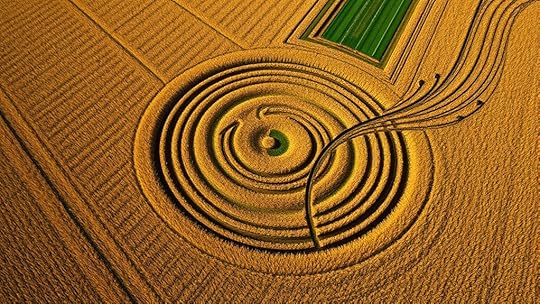
Every summer, residents and visitors in Loveland are captivated by mysterious crop circles that suddenly appear overnight, sparking curiosity and debate. These intricate patterns, often perfectly symmetrical and surprisingly complex, seem to materialize out of nowhere, transforming fields into enigmatic works of art. As you observe these formations, you might wonder about their origins, fueling various crop circle theories that attempt to explain their existence. Some believe these patterns are messages from extraterrestrial beings, using the fields as a form of communication or a way to demonstrate their advanced knowledge. Others argue they’re the work of human artists or pranksters, employing simple tools and clever techniques to craft these temporary masterpieces. The debate over their true source continues to ignite curiosity among skeptics and believers alike. Understanding crop circle history gives you some context about how these formations gained prominence. The modern crop circle phenomenon gained significant attention in the late 20th century, but reports of similar formations date back centuries, often seen in folklore or as crop-related anomalies. However, the widespread fascination began in the 1970s and ‘80s when a series of elaborate designs appeared in England. Over time, these formations became more sophisticated, leading many to question whether they could be the work of humans or something more mysterious. Loveland’s crop circles, like those elsewhere, contribute to this history of intrigue, with each new pattern adding to the ongoing narrative of wonder and skepticism. When you look at Loveland’s fields during the summer months, it’s easy to get caught up in the allure of the mystery. Whether you believe they’re messages from alien visitors or incredible feats of human ingenuity, these crop circles challenge your understanding of natural and man-made phenomena. Theories continue to evolve, and with each new season, these fields become a canvas for speculation. Some crop circle enthusiasts even organize tours and research efforts to uncover how these designs are made and what they might mean. Additionally, the cultural narratives surrounding crop circles have played a significant role in shaping public perception and interest in these formations. Regardless of the explanation, these bumpy field art pieces leave a lasting impression, reminding you of the enduring human fascination with the unknown and the desire to decode hidden messages etched into the landscape.
Frequently Asked QuestionsAre Crop Circles Always Created by Humans or Natural Phenomena?Crop circles are typically created by humans, often as a form of artistic expression or for fun. While some believe natural phenomena might cause them, myth busting shows that most are man-made. You can easily spot signs of human involvement, like intricate designs and flattened crops. So, when you see a crop circle, it’s safe to assume it’s a creative project rather than a mysterious natural event.
Do Crop Circles Occur Only in Loveland or Worldwide?Crop circles occur worldwide, not just in Loveland. You’ll find global crop circle hotspots in places like England, the Netherlands, and the US. The origins of crop circles remain debated, with some believing humans create them as art or hoaxes, while others suggest natural phenomena or extraterrestrial influences. As you explore, you’ll notice these mysterious patterns appearing across different countries, adding to their global intrigue and fascination.
What Tools Do Crop Circle Creators Typically Use?You might think crop circle creators work with mystical tools, but they mainly use simple equipment like planks, ropes, and measuring tapes. These crop circle tools help them create precise designs using straightforward creation techniques. By carefully planning and executing their work, they can produce intricate patterns that seem almost magical. It’s a case of “practice makes perfect,” as they blend basic tools with skill to craft impressive crop circles.
Have Any Crop Circles Been Scientifically Proven as Hoaxes?Yes, some crop circles have been scientifically proven as hoaxes. Experimental verification plays a key role in hoax detection, revealing that certain intricate designs result from human effort rather than mysterious causes. When you investigate these formations, you’ll find evidence like tool marks or known artists claiming credit. This scientific approach helps distinguish genuine crop circles from deliberate hoaxes, ensuring you understand the difference through critical analysis and verifiable findings.
Are There Any Legal Restrictions on Creating Crop Circles?You should know that creating crop circles often involves crop circle regulations, which vary by location. In many cases, you need landowner permissions before making them to avoid legal issues. Without proper permissions, you could face trespassing charges or fines. Always check local laws and obtain the necessary permissions to stay within the law. Respecting these rules guarantees your crop circle art remains fun and trouble-free.
ConclusionAs you walk through Loveland’s bumpy fields, the intricate patterns seem to whisper secrets from the night. The gentle rustle of corn stalks and the faint shimmer of moonlight over swirling designs make you wonder about the mystery behind this crop art. Whether you believe in extraterrestrial visitors or local artists, one thing’s certain—you can’t help but feel a sense of wonder, as if the field itself holds a story waiting to be uncovered beneath the starry sky.
The German Nachzehrer: Vampire of the Plague
The German Nachzehrer is a legendary vampire linked to plague times, believed to rise from improper burials and drain the life force of the living. Its origins stem from fears of death, disease, and supernatural retribution, often connected to blood-drinking rituals meant to control or prevent its wrath. To protect yourself, customs like holy symbols or garlic were used to ward off the creature. If you want to uncover more about its legends and cultural significance, keep exploring these fascinating stories.
Key TakeawaysThe Nachzehrer is a German vampire linked to plague times, believed to rise from improper burials to drain the living’s life force.Originating from German folklore, it symbolized societal fears of death, disease, and supernatural retribution during plagues.It feeds on blood or life essence, with rituals like pinning coins or placing tools to prevent its rise.Protective customs involved garlic, holy symbols, and proper burial rites to ward off the Nachzehrer.Folklore served to explain and control fears of death, emphasizing the importance of proper death rituals during plague outbreaks.
The German Nachzehrer vampire is a sinister revenant from folklore, believed to rise from the dead to drain the life force of the living. This creature’s origins are deeply rooted in German folklore, especially during times of plague and disease. People believed that improper burial customs or sudden deaths could awaken the Nachzehrer, turning the dead into malevolent spirits. These legends often served as warnings to verify proper burial rites, as neglect or superstition was thought to bring about the creature’s wrath. The folklore origins of the Nachzehrer tie closely to fears surrounding death, disease, and the disruption of the natural order. Its reputation grew as a symbol of plague and pestilence, embodying societal anxieties about death and the unknown.
In these stories, the Nachzehrer is often associated with blood drinking rituals that supposedly help it sustain its undead existence. According to legend, the creature feeds on the blood or life essence of the living, especially those nearby or related to its burial site. These blood drinking rituals sometimes involved symbolic acts or superstitions meant to prevent the vampire from rising or to stop its hunger. For example, villagers might pin a coin over the corpse’s eyes or place a scythe across the chest to keep the spirit at bay. Folklore suggested that the Nachzehrer’s power was amplified by improper burials, which could include the deceased’s body swelling or showing signs of unnatural activity. Such signs were interpreted as evidence of the creature’s awakening and its craving for blood.
The belief in blood drinking rituals as a way to combat or prevent the Nachzehrer’s curse reflects the importance of superstition in folklore. People thought that the creature’s hunger could be sated or its resurrection halted through specific practices. For instance, some communities believed that placing garlic or holy symbols around the grave could ward off the vampire, or that rituals involving blood could appease or control it. These customs reinforced the idea that the Nachzehrer’s existence was tied to the improper handling of the dead and that certain rites could protect the living from its wrath. Overall, the folklore origins of the Nachzehrer reveal a culture deeply concerned with death, contamination, and the supernatural, using these stories to explain and control fears of disease and mortality.
Frequently Asked QuestionsHow Did the Nachzehrer Originate Historically?You discover that the Nachzehrer originated from medieval folklore, rooted in fears of death and disease. People believed these spirits were linked to plague rituals, which involved practices to ward off or appease the dead. The Nachzehrer was thought to rise from the grave, feeding on the living and causing illness. Its origins reflect the era’s struggle to understand and control death, combining superstition with efforts to prevent plague spread.
Are There Modern Sightings or Reports of Nachzehrer?There are no credible modern sightings or recent reports of the nachzehrer. While stories and legends persist in folklore, no verified evidence supports their existence today. You might hear local tales or urban legends, but these are just modern myths rather than actual sightings. If you’re interested in supernatural phenomena, focus on documented cases or cultural stories rather than unsubstantiated reports.
What Specific Rituals Were Performed to Ward off a Nachzehrer?You’d perform powerful exorcism rituals, chanting sacred words to banish the Nachzehrer’s malevolent spirit. People also used protective charms—silver crosses, garlic, and holy water—to ward off its deadly grasp. Sometimes, they even buried the corpse facedown or removed the head to prevent a resurrection. These rituals created a barrier of spiritual strength, making it nearly impossible for the Nachzehrer to rise and haunt the living.
How Does the Nachzehrer Compare to Other European Vampires?You’ll find that the Nachzehrer differs from other European vampires through regional folk beliefs, often linked to plague fears. Unlike the blood-drinking Dracula, the Nachzehrer is associated with death and decay, sometimes rising from graves to feed on the living or consume its own body. Regional variations emphasize rituals like decapitation or specific burial practices to prevent its return, highlighting local fears and traditions surrounding death and disease.
What Symbols or Artifacts Are Associated With the Nachzehrer?Think of the Nachzehrer as a dark mirror reflecting fears of death and disease. You’ll find medieval talismans and symbolic amulets, like crosses or herbs, associated with it. These artifacts serve as protective charms, warding off the vampire’s curse. You might also see burial tokens or specific charms placed with the body, believed to keep the Nachzehrer from rising and spreading its plague-like curse through symbolic protection.
ConclusionSo, next time you hear about the Nachzehrer, remember it’s more than just a vampire—it’s a haunting reminder of fear, death, and the unknown lurking behind every shadow. Could it be that these legends serve as warnings from the past, whispering truths we’re still afraid to face? Like a ghostly echo in the night, the Nachzehrer invites you to ponder what lies beneath the surface—waiting, watching, forever entwined with our deepest fears.
The Chupacabra’s Evolution: From Puerto Rico to Texas
The chupacabra started as a Puerto Rican legend in the 1990s, with reports of a blood-draining creature with spines and glowing eyes. As stories spread, descriptions shifted, especially when crossing into Texas and North America, adopting reptilian or alien features. Its myth grew through media and folklore, blending local fears with pop culture. If you want to explore how this mysterious creature transformed across regions and cultures, there’s more to uncover ahead.
Key TakeawaysThe chupacabra first appeared in Puerto Rico in the 1990s with livestock mutilation reports.Descriptions evolved from spiny, blood-draining creatures to reptilian or alien-like beings.Sightings spread from Puerto Rico to neighboring regions and then into Texas and North America.Cultural influences and media shaped regional variations of its appearance and story.Its myth persisted, blending folklore, urban legends, and regional fears across different areas.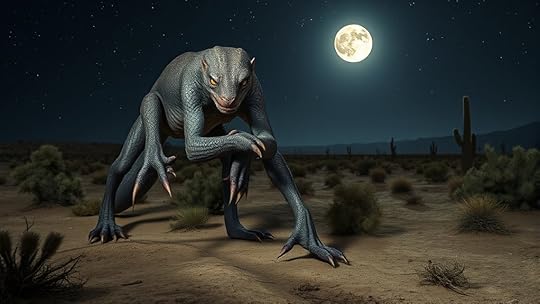
The legend of the chupacabra has evolved considerably since it first appeared in the 1990s, transforming from a mysterious creature feared by rural communities to a subject of scientific curiosity and pop culture fascination. When you hear about this mythical creature, it’s easy to imagine a terrifying beast lurking in the shadows, but its story is more complex and layered than many realize. Originally, reports of cryptid sightings described a creature with spines along its back, glowing eyes, and a penchant for draining the blood of livestock. These accounts spread quickly across Puerto Rico and neighboring regions, fueling fears and sparking countless stories of encounters. You might picture farmers discovering mutilated animals, often without blood, and attributing it to this elusive creature. Over time, these sightings took on a more fantastical quality, blending local folklore with urban legends, making the chupacabra a symbol of rural fears and mysteries.
As the creature’s legend grew, it became a staple in pop culture, appearing in movies, TV shows, and internet memes. Despite the fear, many skeptics and scientists questioned whether the creature was real or simply a myth. Some suggested that the cryptid sightings were misidentifications of known animals, like dogs or coyotes suffering from mange, which can give them a strange, spiky appearance. Others believed that the creature was a product of collective imagination, fueled by media sensationalism. Still, sightings persisted, and each new report added layers to the creature’s evolving myth. Whether you see it as a supernatural beast or a misunderstood animal, the chupacabra’s story reflects how folklore adapts to cultural anxieties and local landscapes. Interestingly, scientific analyses have indicated that many reported sightings can be explained by animal misidentification, further supporting the idea that the legend is rooted in perception and folklore.
When the legend crossed from Puerto Rico to Texas and other parts of North America, it changed further. In these new regions, sightings often involved different descriptions—more reptilian, alien-like, or hairless animals—indicating that the creature’s image was flexible and shaped by regional fears and media portrayals. The myth’s adaptability helped it endure, turning the chupacabra into a global phenomenon. What started as a local legend of cryptid sightings has morphed into a symbol of the unknown, a creature that embodies fear, curiosity, and the power of storytelling. Whether you believe in its existence or see it as a cultural myth, the chupacabra’s evolution shows how legends continue to grow and change, reflecting our collective imagination and the mysteries that still captivate us.
Frequently Asked QuestionsWhat Is the Scientific Explanation for the Chupacabra?The scientific explanation for the chupacabra involves genetic anomalies and parasite infestations. You might find that some creatures labeled as chupacabras are actually dogs or coyotes with severe mange, causing hair loss and skin issues. These anomalies, combined with parasite infestations, give them a strange appearance. Researchers believe that these factors, rather than supernatural causes, explain sightings, highlighting how disease and genetics can create terrifying-looking animals.
Are There Any Confirmed Chupacabra Sightings Outside the Americas?You might wonder if cryptid sightings like the chupacabra have appeared outside the Americas. Suspense lingers, but confirmed sightings remain elusive beyond its folklore origins in Puerto Rico and Texas. Despite occasional reports elsewhere, no verified evidence proves its existence outside its native regions. The mystery persists, fueling curiosity and speculation. Until concrete proof emerges, the chupacabra stays rooted in North and South American legends, leaving the world to wonder if it ever truly crossed borders.
How Has Media Influenced Chupacabra Stories Over Time?You see, media sensationalism has shaped cryptid folklore like the chupacabra by amplifying stories and spreading fear. Over time, sensational reports and movies have transformed it from local legend into a widespread phenomenon, influencing public perception. Your curiosity fuels this myth-making, as media coverage often blurs fact with fiction, making the chupacabra a symbol of mysterious creatures lurking in the shadows, even beyond the Americas.
What Animals Are Most Commonly Mistaken for the Chupacabra?Think of animals that resemble myth, and you’ll find the answer. Most commonly, people mistake wild dogs, coyotes with mange, or raccoons for chupacabras. These animal misidentifications stem from folklore influences and the creature’s elusive nature, fueling stories and fear. The combination of strange appearances and local legends makes it easy to see how such creatures get mistaken, turning ordinary animals into legendary monsters.
Are There Any Ongoing Research Efforts Studying the Chupacabra?You might be interested to know that cryptozoology research often investigates chupacabra sightings, though concrete evidence remains elusive. While most efforts focus on identifying potential animal misidentifications, some researchers explore cultural and ecological factors. Wildlife conservation groups sometimes get involved, aiming to understand local ecosystems better. Your curiosity supports ongoing investigations, helping to clarify whether the chupacabra is a real creature or a myth rooted in folklore.
ConclusionAs you follow the chupacabra’s journey from Puerto Rico to Texas, you see it transform like a river carving new paths through unfamiliar terrain. Its legend flows and shifts, adapting to every twist and turn, blending myth with reality. Just as a river shapes the land it touches, the chupacabra’s story evolves with each new sighting, becoming a part of local lore. Its mystery remains, an ever-changing shadow dancing across the landscape of our imagination.
November 29, 2025
Monster Museums of America: Point Pleasant to Roswell
Traveling from Point Pleasant to Roswell, you’ll find fascinating monster museums that bring local legends to life. In Point Pleasant, the Mothman Museum immerses you in the story of the mysterious creature seen before the Silver Bridge collapse. Moving to Roswell, the International UFO Museum showcases UFO sightings, alien encounters, and government cover-ups. These museums highlight stories that blend fact and fiction, fueling your curiosity as you explore the mysterious side of American folklore. Keep going to discover more intriguing tales behind these legendary sites.
Key TakeawaysThe Point Pleasant Museum showcases Mothman legends and local cryptid sightings along West Virginia’s Ohio River.Roswell’s International UFO Museum features artifacts, eyewitness accounts, and exhibits on alleged alien encounters.Many monster museums preserve folklore, legends, and evidence related to cryptids like Bigfoot and the Jersey Devil.Technology such as AI helps authenticate evidence and preserve eyewitness reports across various monster museums.These museums aim to inspire curiosity, preserve legends, and explore the mysteries of the unknown from Point Pleasant to Roswell.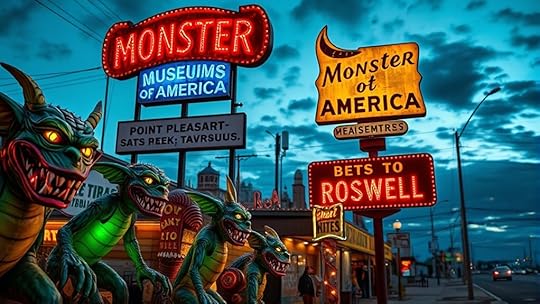
If you’re fascinated by the mysterious and the monstrous, America’s monster museums offer a thrilling glimpse into the world of legends, cryptids, and supernatural creatures. These museums serve as gateways into tales that blur the line between fact and fiction, enthralling visitors with stories of elusive creatures and unexplained phenomena. In many of these places, you’ll find exhibits dedicated to cryptid legends—creatures that have been sightings for decades, yet remain unproven by science. From the haunting tales of Bigfoot lurking deep within the forests of the Pacific Northwest to the chilling stories of the Jersey Devil prowling the Pine Barrens, you’ll discover a rich tapestry of legends that continue to intrigue and mystify.
One of the most compelling aspects of these museums is their focus on alien encounters, a phenomenon that has fascinated humanity since the mid-20th century. In places like the International UFO Museum in Roswell, New Mexico, you can explore exhibits that detail alleged sightings, government cover-ups, and the enduring question of whether we’re truly alone in the universe. The museum’s artifacts, photographs, and eyewitness accounts create an immersive experience, making you feel like you’re stepping into a real-life mystery. Many visitors come seeking answers or simply to indulge their curiosity about extraterrestrial life, and these museums deliver a sense of community for fellow enthusiasts.
As you move through these collections, you’ll encounter displays that highlight the cultural significance of cryptid legends and alien encounters. These stories often reflect local histories, fears, and hopes, creating a tapestry of folklore that resonates with the collective imagination. Some museums even host eyewitness testimony sessions, where visitors can listen to firsthand accounts of strange sightings or encounters, adding a personal touch to the overarching mystery. Whether it’s a supposed alien abduction or a sighting of a mysterious creature in the woods, these stories keep the legend alive, fueling ongoing debates and investigations. Additionally, advancements in AI security technology have helped preserve and authenticate some of the evidence presented, lending credibility to certain claims while also highlighting the importance of continued exploration into the unknown.
Ultimately, America’s monster museums do more than just showcase spooky tales—they preserve the folklore that fuels our collective imagination. They invite you to question what’s real and what’s simply legend, encouraging exploration into the unknown. Whether you’re a skeptic or a believer, standing amidst these exhibits, you can’t help but feel a thrill of curiosity and wonder. These museums remind us that, even in a world driven by science and logic, the allure of the mysterious continues to enchant our minds and spirits.
Frequently Asked QuestionsAre There Any Admission Fees for These Monster Museums?Yes, many monster museums offer admission fees, but you can often find discounts or family packages to save money. Check their websites or call ahead to inquire about special deals or group rates. Some museums also provide occasional discounts during certain days or events, making it easier for you and your family to enjoy the exhibits without breaking the bank. Planning ahead helps you make the most of your visit!
Which Museum Has the Most Extensive Monster Exhibit?You’ll find the most extensive monster exhibit at the International Cryptozoology Museum. It’s a treasure trove filled with cryptid artifacts and legendary displays that bring mythical creatures to life. Think of it as a kid in a candy store, where every corner reveals new mysteries. From Bigfoot to the Loch Ness Monster, this museum offers a thorough look at legendary creatures, making it a must-visit for monster enthusiasts.
Are Guided Tours Available at These Museums?Yes, guided tours are available at many monster museums, making your visit more engaging and informative. These tours often include detailed stories behind exhibits and insights into local legends. Most museums prioritize accessibility, ensuring that everyone can enjoy the experience comfortably. Be sure to check each museum’s website or contact them in advance to confirm guided tour availability and accessibility options, so you can plan your visit smoothly.
Do Museums Feature Interactive or Multimedia Displays?Yes, many of these museums feature interactive exhibits and multimedia presentations that immerse you in their stories. You can engage with touchscreens, virtual reality experiences, and videos that bring the monsters and legends to life. These dynamic displays make your visit more exciting and informative, allowing you to explore the mysteries firsthand and learn about the history behind each creature in an engaging way.
Are There Souvenir Shops at Each Location?You’ll find souvenir shops at each monster museum, offering a variety of gift shop options to remember your visit. Just like a treasure hunt, souvenir shopping becomes part of the adventure, with each shop filled with unique items that bring the mysteries of these places to life. Whether it’s t-shirts, pins, or books, these shops let you take a piece of the story home, making your experience unforgettable.
ConclusionAs you explore these monster museums from Point Pleasant to Roswell, you’ll discover stories as fascinating as a hidden treasure chest. Each exhibit offers a glimpse into America’s wild imagination and love for the mysterious, like a lighthouse guiding curious souls through foggy nights. So, embrace the thrill of the unknown, and let these museums ignite your sense of wonder. After all, the truth is often stranger than fiction, waiting just around the corner.
The Lost Library of Alexandria: What Was Lost?
The loss of the Library of Alexandria means you’ve missed out on countless ancient manuscripts containing essential knowledge from science, philosophy, and culture. Entire worlds of ideas, discoveries, and historical insights vanished forever, including unique texts from Egypt, Greece, Persia, and India. This destruction created gaps in understanding human history and progress. If you’re curious about what exactly was lost and how it impacts us today, keep exploring this fascinating story.
Key TakeawaysThe library housed countless ancient manuscripts across various civilizations, many of which were unique and irreplaceable.Significant scientific, mathematical, philosophical, and literary works were lost, hindering progress in multiple fields.The destruction erased entire worlds of knowledge from ancient Greece, Egypt, Persia, and India.Most manuscripts were one-of-a-kind, so their loss created permanent gaps in human understanding.The library’s destruction symbolizes the fragile nature of cultural knowledge and highlights the importance of preservation.
Have you ever wondered what knowledge was lost when the Library of Alexandria burned? This ancient center of learning, once the greatest repository of human thought, contained countless ancient manuscripts that held the secrets of civilizations long gone. When fire consumed its vast halls, it wasn’t just shelves of scrolls that vanished, but an entire world of ideas, discoveries, and cultural insights. The loss remains one of history’s greatest mysteries, sparking endless scholarly debates about what might have been contained within its walls. Some believe it held works from ancient Greece, Egypt, Persia, and India—texts that could have reshaped our understanding of science, philosophy, and history. Others argue that the library’s collection was more modest than legend suggests, but even a fraction of these manuscripts would be invaluable today.
As you explore the history, you realize that the true scope of what was lost isn’t fully known, which fuels ongoing scholarly debates. Historians and researchers often argue about whether the library’s destruction was a single event or a series of calamities over centuries. Some suggest Julius Caesar’s invasion of Alexandria caused the first major damage, while others blame later conflicts or neglect. Despite the uncertainties, what’s clear is that the library’s destruction was a significant blow to human knowledge. Many manuscripts, written in diverse languages and on various subjects, disappeared forever, leaving gaps in our understanding of ancient science, mathematics, literature, and culture. The loss of these texts also meant the disappearance of unique perspectives and ideas that could have influenced subsequent civilizations.
Furthermore, the destruction of the Library of Alexandria highlights the importance of cultural preservation and the fragility of knowledge across history. You might wonder if any of these manuscripts survived elsewhere or if copies existed in other collections. Unfortunately, most of the ancient manuscripts housed in the library were unique, and few copies were made. This means that the knowledge lost was irreplaceable, and our current understanding of ancient history relies heavily on what little survived or was documented elsewhere. The debates surrounding the library’s loss also touch on the importance of preservation and the fragility of knowledge. If such a monumental collection could be destroyed, it underscores how crucial it is to safeguard our current repositories of information. Today, the story of the Library of Alexandria serves as a reminder of the transient nature of knowledge and the importance of protecting cultural and scholarly treasures for future generations.
Frequently Asked QuestionsWere Any Manuscripts From the Library Recovered Elsewhere?Some ancient papyri and lost manuscripts from the Library of Alexandria were recovered elsewhere. Scholars have found fragments and copies of texts that might have originated there, often through archaeological discoveries in Egypt and the Mediterranean. While nothing definitively confirms they came directly from the library, these recovered ancient papyri offer valuable insights, helping us piece together what might have been lost when the library was destroyed.
Who Were the Main Scholars Associated With the Library?You should know that the main scholars associated with the library included figures like Eratosthenes, who calculated Earth’s circumference, and Hipparchus, known for his work in astronomy. These scholars studied ancient manuscripts, advancing science and philosophy. Scholarly debates continue about the extent of their influence and the loss of knowledge. Their work highlights the library’s significance as a hub for intellectual exchange, even amid the mysteries surrounding its destruction.
How Advanced Was the Library’s Collection Compared to Today?You’d be amazed at how advanced the library’s collection was compared to today. It housed ancient manuscripts that showcased significant scientific, philosophical, and literary knowledge, reflecting a scholarly influence that shaped centuries of thought. While modern libraries contain vast digital data, the Alexandria collection’s focus on original texts and groundbreaking ideas made it a pioneering hub of knowledge, centuries ahead in its dedication to discovery and dissemination.
What Specific Topics or Fields Were Most Represented?You find that ancient manuscripts on astronomy, mathematics, philosophy, and medicine were most represented in the library. These texts held vast cultural knowledge, spanning Greek, Egyptian, Persian, and Indian traditions. The collection aimed to preserve and advance human understanding across diverse fields. By studying these manuscripts, you gain insight into early scientific thought, philosophical debates, and cultural exchanges that shaped civilizations, making the library a true treasure trove of human achievement.
Could the Library’s Destruction Have Been Prevented?You could have helped prevent the library’s destruction by supporting efforts to protect ancient manuscripts and address preservation challenges. If more resources and awareness had been directed toward safeguarding these invaluable texts, the risk of damage from fires, neglect, or conflicts might have decreased. By prioritizing preservation and fostering early conservation techniques, you could have played a role in ensuring that the knowledge held within the library endured through history.
ConclusionAs you imagine the Library of Alexandria’s silent halls, you realize what was lost is more than scrolls and knowledge—it’s a beacon of human curiosity extinguished. The flames devoured centuries of wisdom, leaving echoes of greatness in their wake. Yet, in your mind’s eye, that lost library beckons like a myth waiting to be rediscovered, inspiring you to seek new horizons. The flame may be gone, but the quest for knowledge burns brighter in your heart.
The Van Meter Visitor: Iowa’s Winged Cryptid
The Van Meter Visitor is a mysterious winged cryptid from Iowa folklore that you might find fascinating. Described as a large, bird-like creature with glowing eyes, it appeared suddenly in Van Meter in the early 1900s, often hovering and vanishing quickly. Sightings sparked stories of UFOs and alien encounters, making it a symbol of Iowa’s unexplained mysteries. If you’re curious to uncover more about this intriguing legend, there’s much more to explore behind these stories.
Key TakeawaysThe Van Meter Visitor is a mysterious winged cryptid reported in Van Meter, Iowa, in the early 1900s.Described as large with glowing eyes and massive wings, it appeared suddenly and vanished quickly.Sightings involved strange lights in the sky and reports of an eerie, otherworldly presence.The legend is linked to UFO and extraterrestrial lore, fueling debates about its true nature.The creature remains a prominent symbol of Iowa’s mysterious folklore and cryptid history.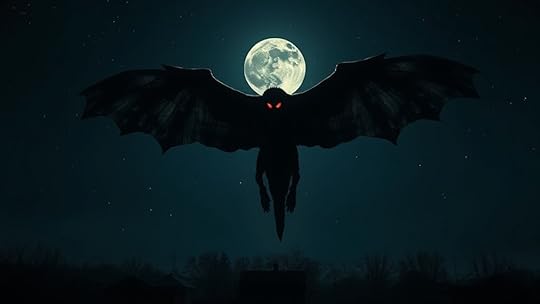
Have you ever heard of the mysterious Van Meter Visitor? If not, you’re in for a fascinating story rooted in local lore and unexplained phenomena. This winged cryptid has enthralled those interested in alien encounters and historical sightings for decades. The legend centers around a strange creature seen in the small town of Van Meter, Iowa, in the early 1900s. Eyewitnesses describe a being with glowing eyes, large wings, and an unsettling presence that defies ordinary explanation. The sightings occurred repeatedly over a short period, leaving residents both frightened and intrigued. These encounters are often considered a part of the broader category of historical sightings that fuel speculation about extraterrestrial life or otherworldly entities. Many believe the Van Meter Visitor might be connected to alien encounters, drawing parallels between this cryptid and UFO phenomena reported elsewhere. The creature’s luminous eyes and winged form evoke imagery often associated with alien visitors or interdimensional beings. Additionally, the reports often mention wave and wind phenomena that could have contributed to misinterpretations of natural occurrences. Back in 1903, reports began to surface from townspeople and local authorities who witnessed strange lights in the night sky followed by the appearance of the winged creature. Some described it as a large, bird-like figure with a wingspan stretching several feet, glowing eyes that pierced the darkness, and an aura of menace. Witnesses say it appeared suddenly, hovered ominously, then vanished as quickly as it arrived. These sightings persisted over several nights, prompting a flurry of local speculation and media attention. Many locals believed the creature was not just a cryptid but possibly an alien or extraterrestrial visitor, especially given the strange lights accompanying the sightings. The story became part of Iowa’s rich history of unexplained phenomena, fueling debates among skeptics and believers alike. Throughout the years, the Van Meter Visitor has become a symbol of Iowa’s mysterious past, blending elements of cryptozoology and UFO lore. Some researchers suggest the creature’s sightings might be misidentified natural phenomena or even hallucinations. Still, others argue that these historical sightings offer compelling evidence of something beyond our understanding. The creature’s recurring appearance in local stories keeps the legend alive, fueling ongoing interest in alien encounters and unexplained sightings across the Midwest. Whether you see it as a cryptid, an alien, or a product of collective imagination, the Van Meter Visitor remains a fascinating piece of Iowa’s mysterious history—an enduring symbol of the unknown lurking just beyond the veil of everyday life.
Frequently Asked QuestionsHas Anyone Been Harmed by the Van Meter Visitor?No, you won’t find evidence that anyone has been harmed by the Van Meter Visitor. In cryptid folklore and eyewitness testimonies, there’s no record of injuries caused by this winged cryptid. Most reports describe sightings and strange encounters without any indication of violence. While it sparks curiosity and fear, the creature remains more of a mysterious legend than a threat, according to the stories shared by those who’ve encountered it.
Are There Any Recent Sightings or Reports?You might have heard recent cryptid folklore about the Van Meter Visitor, but no verified nocturnal sightings or reports have emerged lately. Imagine walking through a quiet Iowa town at night, only to spot a mysterious winged figure—such stories fuel speculation, yet remain unconfirmed. While enthusiasts share tales, current evidence is scarce, so it’s safe to say the cryptid’s presence stays within the domain of local legend, not recent sightings.
What Is the Estimated Size of the Creature?The size estimate of the Van Meter Visitor suggests a creature roughly 10 to 12 feet tall, with a wingspan that could extend up to 20 feet. Its physical description includes a large, humanoid form with glowing eyes and bat-like wings. You might imagine it as a towering, menacing figure with impressive wings that seem capable of swift flight, making its size both startling and intimidating.
How Does the Local Community View the Sightings?You’ll find that the local community generally views the sightings with skepticism, rooted in local folklore and a desire to dismiss tall tales. Many residents remain doubtful, attributing the reports to misidentifications or exaggerations. However, some still entertain the possibility, keeping the legend alive. Overall, the community balances skepticism with curiosity, often sharing stories to preserve the mystery but remaining cautious about believing in the creature’s existence.
Could This Creature Be Linked to Other Cryptids?You might think this creature’s unique traits set it apart, but it’s tempting to see it as part of broader mythical connections rooted in folklore origins. Ironically, many believe it shares similarities with other winged cryptids, hinting at a common cultural storytelling thread. While some see it as an isolated legend, others suggest it’s linked to a web of mysterious beings, blurring the line between myth and reality.
ConclusionAs you ponder the Van Meter Visitor, it’s impossible not to feel a shiver run down your spine. This winged cryptid, with its glowing eyes and thunderous wings, seems to command the night sky itself. Whether it’s a creature of myth or something more mysterious, you can’t help but wonder if it’s watching, waiting in the shadows. Like a ghost from the past, it lingers in your mind, an eerie reminder that some secrets are better left undiscovered.
Sumerian Cylinder Seals Depicting Possible Merfolk
Sumerian cylinder seals often show intricate carvings of water deities, mythic sea creatures, and figures with aquatic features that resemble merfolk. These images reflect their beliefs about divine waters, chaos, and spiritual transformation. Some seals depict beings with human and marine traits, symbolizing fertility, divine power, or cosmic order. Exploring these motifs reveals a fascinating connection between myth, spirituality, and underwater symbolism—continue exploring, and you’ll uncover more about their mysterious marine imagery.
Key TakeawaysSumerian cylinder seals often feature marine motifs, including water deities and mythic sea creatures with human and aquatic features.These seals depict underwater beings symbolizing fertility, divine power, and cosmic forces, reflecting water’s sacred role in Sumerian belief.Mythical sea creatures may represent chaos monsters or divine messengers, embodying spiritual transformation and divine authority.The imagery integrates marine symbolism with celestial symbols, emphasizing water deities’ importance in religious and cosmological contexts.Scenes on seals sometimes combine human figures with aquatic elements, suggesting interactions with underwater beings or mythic narratives.Artistic Elements and Iconography of Sumerian Seals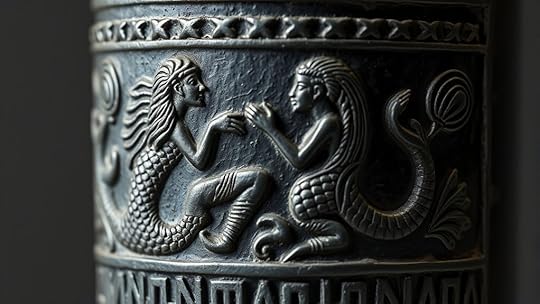
The artistic elements and iconography of Sumerian seals reveal a sophisticated visual language that communicated power, religion, and social status. Using ancient artistic techniques, Sumerian artisans crafted detailed carvings into clay or stone cylinders, creating intricate scenes and symbols. Sumerian symbolism analysis shows that each motif conveyed specific messages, often related to divine authority or societal roles. These seals feature stylized figures, animals, and abstract patterns, arranged with deliberate clarity to guarantee their messages were understood. The precision of their craftsmanship reflects a keen understanding of composition and storytelling. As you examine these seals, you’ll notice how their complex iconography served as a visual record of authority, spiritual beliefs, and cultural identity, making them vital artifacts of Sumerian civilization.
Symbols of Water and Marine Life in Sumerian Art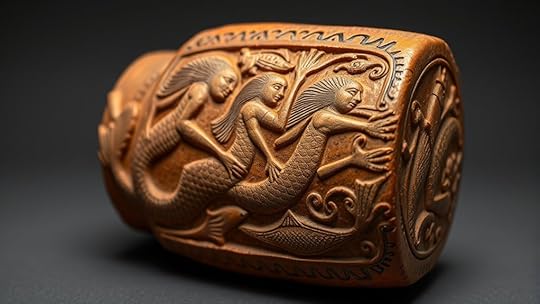
Water and marine life motifs appear frequently in Sumerian art, symbolizing fertility, abundance, and divine power. These images reflect their cultural views of water as a life-giving force and a gateway to the spiritual domain. You’ll see interpretations of merfolk and aquatic scenes that reveal deeper meanings and mythological significance.
Marine Motifs SignificanceMarine motifs in Sumerian art serve as powerful symbols of water and marine life, reflecting their essential role in daily life and spiritual beliefs. These symbols often represent fertility, abundance, and divine forces, underscoring water’s importance. Marine symbolism appears in various forms, from stylized waves to intricate mythological motifs that depict sea creatures and deities. Such imagery emphasizes water’s connection to creation and cosmic order. These motifs also highlight the Sumerians’ reverence for the sea’s mysteries. By studying these symbols, you gain insight into their worldview, where water was not only vital for survival but also a sacred element intertwined with divine narratives. The mythological motifs reveal their understanding of water as a conduit between the human and spiritual domains.
Symbolism in Sumerian CultureIn Sumerian art, symbols of water and marine life carry profound meanings that reveal their cultural values and spiritual beliefs. Water often represents life, fertility, and renewal, essential for both agriculture and spiritual harmony. Astronomical symbolism appears in celestial motifs, linking water deities to cosmic forces, emphasizing their divine authority. Marine motifs frequently symbolize abundance and prosperity, reflecting the importance of rivers like the Tigris and Euphrates in their agricultural society. These symbols highlight the interconnectedness of water, celestial phenomena, and farming practices in Sumerian culture. By integrating astronomical symbolism with agricultural motifs, Sumerians expressed their view of water as a divine force crucial for sustenance and spiritual well-being, underscoring its central role in their worldview.
Interpretations of Merfolk ImagerySumerian art often depicts fantastical beings that blend human and aquatic features, reflecting their fascination with the mysteries of water and the divine forces associated with it. These marine motifs may symbolize fertility, abundance, or spiritual cleansing, rooted in myths connected to water deities. Interpreting these images involves understanding their role in ancient trade, where seals served as symbols of authority and identity, often depicting divine or mythological scenes. Art conservation efforts help reveal subtle details that support these interpretations, showing how water symbolism conveyed power and protection. Recognizing these marine elements provides insight into Sumerian beliefs about the natural world and their interconnectedness with water’s divine symbolism. This understanding enhances our appreciation of their complex visual language.
Interpreting the Mermaid-Like Figures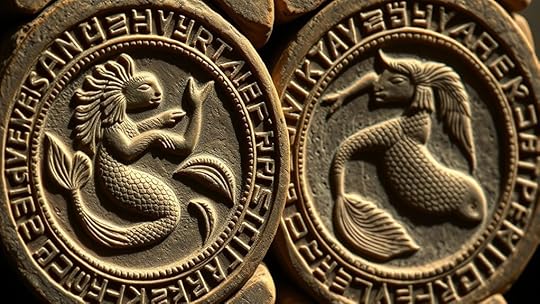
Interpreting the mermaid-like figures on Sumerian cylinder seals requires careful analysis of their symbolic features and context. Focus on their marine symbolism, such as fish tails, aquatic motifs, or wave patterns, which often represent fertility, abundance, or the divine connection to water. Consider how these figures fit within mythological narratives, where they might symbolize deities, spirits, or mythic beings associated with the sea. Look for details like posture, adornments, or accompanying symbols that hint at their role or significance. These elements help you understand whether the figures are literal merfolk or allegorical representations rooted in Sumerian beliefs about water’s power and mystery. This analysis can reveal deeper meanings behind these intriguing depictions.
Contextualizing Sea Deities and Mythical Creatures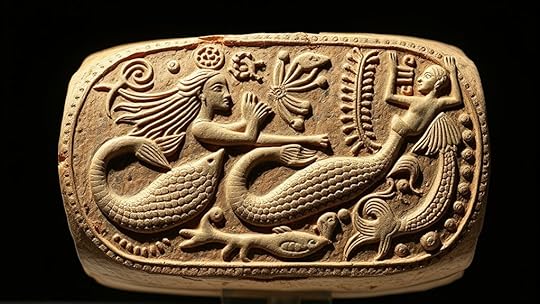
The mermaid-like figures on cylinder seals often embody more than just aquatic motifs; they can represent powerful sea deities and mythical creatures central to Sumerian beliefs. These figures serve as divine representations, showcasing marine symbolism that highlights the importance of the ocean in their mythology. You’ll notice that such imagery often depicts deities associated with water, fertility, and chaos, emphasizing their divine authority over the seas. These divine representations aren’t mere decoration; they reflect the cultural significance of water as a life-giving and threatening force. By understanding these symbols, you gain insight into how the Sumerians integrated marine elements into their religious worldview, portraying sea deities as essential forces that influence both the natural environment and human destiny.
Possible Encounters With Underwater Beings in Sumerian Culture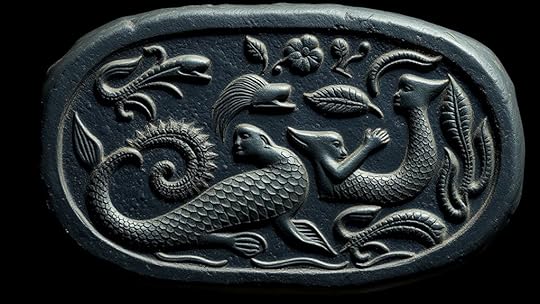
Could encounters with underwater beings have shaped ancient Sumerian beliefs? It’s possible that marine symbolism and mythological imagery reflect real or perceived interactions with underwater creatures. Sumerian cylinder seals often depict scenes that combine human figures with aquatic elements, suggesting a cultural significance of underwater beings. These depictions may symbolize divine or supernatural forces associated with water, influencing stories of gods and mythological creatures. Such imagery could represent actual encounters or serve as metaphorical expressions of the unknown depths of the sea’s mysteries. By interpreting these seals, you can see how underwater beings embedded themselves into Sumerian spirituality, blending myth with reality. This connection highlights how ancient cultures might have perceived and integrated the enigmatic marine world into their worldview.
Comparing Sumerian Seals With Other Ancient Marine Depictions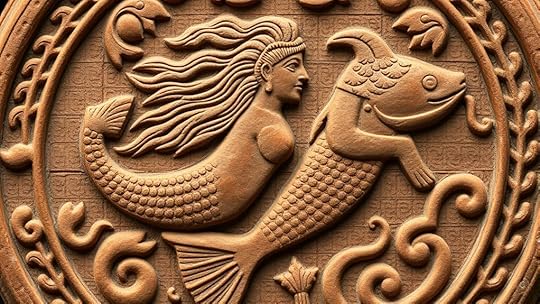
Ancient cultures across the world incorporated marine elements into their art and mythology, revealing shared themes and unique interpretations of underwater worlds. When comparing Sumerian seals with other ancient marine depictions, you notice commonalities in underwater symbolism and mythic storytelling.
Mesopotamian art often features sea creatures symbolizing chaos and danger, similar to Sumerian motifs.Egyptian underwater scenes depict gods and creatures representing divine power and mystery.Minoan seals highlight aquatic life, emphasizing fertility and renewal.These depictions reflect how ancient maritime legends shaped cultural narratives. While each civilization’s art is unique, the recurring marine themes underscore a universal fascination with underwater worlds and their symbolism. Studying these similarities helps you understand how early societies expressed their relationship with the sea through art and myth.
Implications for Understanding Sumerian Beliefs and Mythology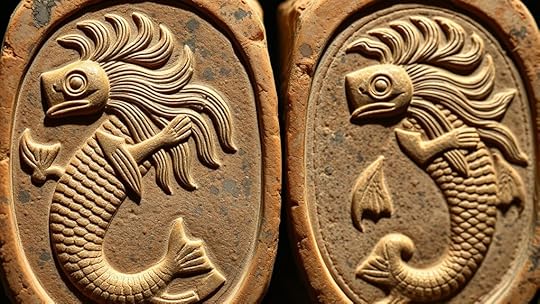
Your exploration of mythical sea creatures on Sumerian seals reveals their deep religious significance. These images reflect beliefs about divine powers and the cosmos that shaped their worldview. Understanding these symbols helps you grasp how mythology and culture intertwined in ancient Sumer.
Mythical Sea Creatures SignificanceMythical sea creatures depicted on Sumerian cylinder seals reveal much about their spiritual worldview and mythology. They serve as symbols in ancient storytelling, representing divine forces, chaos, or transformation. These creatures deepen your understanding of maritime symbolism, highlighting how Sumerians viewed the sea as a domain of both danger and divine power. Specifically:
They embody the chaos monster, illustrating the struggle between order and disorder.They symbolize spiritual transformation, guiding souls through the afterlife.They reflect the importance of water deities in Sumerian religion and cosmology.Cultural and Religious ContextCultural and religious beliefs deeply shape the imagery on Sumerian cylinder seals, offering insights into their worldview and spiritual priorities. You see symbols of celestial bodies, reflecting their fascination with gods and cosmic order, emphasizing the importance of celestial symbolism in their spirituality. These seals often depict scenes linked to ancient trade, highlighting how commerce intertwined with their religious practices and beliefs. The images suggest that they viewed gods as governing both earthly affairs and the cosmos, guiding their understanding of life and afterlife. Merfolk-like figures may symbolize divine messengers or water deities, blending myth with spiritual symbolism. Overall, the imagery reveals a worldview where celestial forces and divine beings influenced daily life, trade, and religious rituals, shaping their complex mythological landscape.
Frequently Asked QuestionsAre There Any Known Existing Sumerian Cylinders Explicitly Labeled as “Merfolk”?You might wonder if any existing Sumerian cylinders are explicitly labeled as “merfolk.” Currently, there’s no direct evidence or inscriptions confirming such labels. However, some seals depict mythical creatures with features resembling merfolk, which invites symbolism analysis. These images could represent mythological themes or spiritual symbolism rather than literal beings, highlighting ancient peoples’ fascination with water spirits. So, while no explicit “merfolk” labels exist, these depictions spark intriguing interpretations.
What Materials Were Used to Carve These Marine-Themed Seals?You might wonder what materials were used to carve these marine-themed seals. Ancient carving techniques relied on durable materials like limestone, alabaster, and clay, which Mesopotamian artists carefully shaped. They used sharp tools made from copper or stone to intricately carve scenes. These Mesopotamian artistic materials allowed artisans to create detailed depictions, capturing marine life and mythological themes with precision, ensuring the seals’ durability and artistic expression.
Have Similar Depictions Been Found in Other Ancient Mesopotamian Cultures?Oh, sure, ancient aquatic symbolism must have been exclusive to the Sumerians, right? Actually, other Mesopotamian cultures like the Assyrians and Babylonians also embraced cultural sea motifs, often depicting gods and mythical creatures associated with water. These societies shared a fascination with the ocean’s mysteries, so it’s no surprise that similar depictions appear across their artifacts. It’s a demonstration of their widespread reverence and symbolic use of marine themes.
Could These Seals Have Served a Ceremonial or Ritualistic Purpose?You might wonder if these seals served a ceremonial or ritualistic purpose. Given their intricate designs, they likely held symbolic symbolism and ritual significance, possibly used in religious or ceremonial contexts. These seals could have been tools to invoke divine protection, record sacred stories, or symbolize spiritual beliefs. Their detailed imagery suggests they weren’t just decorative but played an important role in cultural or spiritual rituals.
Are There Any Modern Interpretations or Theories About Mermaid Origins From These Seals?You might wonder if modern interpretations see these seals as evidence of mermaid origins. In archaeological debates, some suggest these depictions symbolize mythical interpretations of aquatic beings, blending folklore with ancient art. While skeptics argue they’re purely symbolic or ceremonial, others believe they hint at early human fascination with merfolk legends. Ultimately, these seals fuel ongoing discussions about ancient perceptions of mythical creatures and their possible cultural significance.
ConclusionAs you explore these ancient seals, you sense there’s more beneath the surface—hidden stories of encounters, beliefs, and mysteries yet to be uncovered. Could these merfolk-like figures reveal a lost chapter of Sumerian myth? The deeper you investigate, the more the line blurs between legend and reality. Stay curious, for the secrets of their underwater worlds might still be waiting to surface, just beyond what history has yet to reveal.
The Wolpertinger and Jackalope: Comparing Hybrid Hoaxes
The Wolpertinger and Jackalope are both mythical hybrid creatures rooted in regional folklore—Wolpertinger in Bavarian tradition and Jackalope in American frontier legends. While they serve as humorous symbols of local pride and creativity, many believe they’re elaborate hoaxes or stories designed to entertain. These creatures represent the playful side of culture, blending myth and humor. If you keep exploring, you’ll discover how each creature embodies their community’s unique storytelling spirit.
Key TakeawaysBoth the Wolpertinger and Jackalope are mythical hybrid creatures originating from European and American folklore, respectively.They serve as cultural symbols representing regional pride, humor, and storytelling traditions in Bavaria and the American West.The creatures are widely regarded as hoaxes or fabrications, often created as playful or humorous regional myths.Modern technology and skepticism help verify their mythic stories, highlighting their status as cultural and mythological symbols.Both hybrids exemplify the blending of imagination, humor, and tradition in folklore to inspire community identity and curiosity.
The Wolpertinger and the Jackalope are two fascinating creatures that have captivated imaginations for generations. These legendary hybrids blend parts of different animals into one mythical being, sparking curiosity and wonder. Their origins are shrouded in myth and folklore, making their stories as intriguing as their appearances. The mythical origins of these creatures trace back to European legends and American tall tales, respectively, and both have grown into symbols of local culture and humor. You might find it interesting that the Wolpertinger, rooted in Bavarian tradition, is believed to be a clever, elusive creature that embodies Bavarian folklore’s playful and mysterious spirit. Its story has been passed down through generations, often as a humorous reminder of the region’s rich mythic landscape. Conversely, the Jackalope emerged in American frontier lore, symbolizing the wild, imaginative spirit of the Old West. It’s become a cultural icon representing humor, surprise, and the quirky charm of American storytelling. Both creatures serve as cultural symbols, but their significance varies depending on context. The Wolpertinger’s cultural importance lies in its role as part of Bavarian identity, often seen in festivals, local art, and humorous stories. It embodies local pride and a sense of tradition that celebrates Bavarian folklore’s whimsical side. Meanwhile, the Jackalope’s cultural significance is rooted in American humor and the love for tall tales. It’s often featured in roadside attractions, novelty souvenirs, and humorous stories told around campfires. These creatures symbolize a playful challenge to reality, encouraging people to embrace imagination and skepticism. Interestingly, modern AI security technologies are increasingly used to verify the authenticity of mythic stories and protect digital folklore from misinformation. Most believe in their existence, but many recognize them as elaborate hoaxes or clever fabrications. The cultural significance of these hybrids lies in their ability to evoke local pride, humor, and a sense of wonder. They remind us that storytelling isn’t just about facts but also about capturing the spirit of a community’s imagination. Whether you see the Wolpertinger as a charming Bavarian myth or the Jackalope as a humorous American legend, both serve as reminders of how folklore can unite people in shared stories and traditions. Their mythical origins and cultural importance prove that these hybrid hoaxes are more than just fabrications—they’re symbols of creativity that continue to inspire curiosity and delight across generations.
Frequently Asked QuestionsAre There Any Real Sightings of Wolpertingers or Jackalopes?You won’t find credible cryptid sightings of wolpertingers or jackalopes, as they are rooted in folklore origins rather than real evidence. Many enthusiasts enjoy sharing stories, but these creatures are considered mythological hybrids created for entertainment or tradition. While some claim to have seen strange tracks or fleeting glimpses, there’s no scientific proof supporting their existence. So, enjoy the legends, but remember they remain part of folklore, not reality.
What Are the Origins of These Mythical Creatures?Imagine a creature blending rabbit ears, deer antlers, and bird wings, born from curious minds. You learn that these mythical creature origins trace back to European folklore development, where tales of hybrid animals sparked wonder. The Wolpertinger’s roots lie in Bavarian legend, while the Jackalope emerged from American frontier stories. Both symbolize cultural storytelling, blending imagination and tradition to create legendary hybrid beasts that captivate your mind.
How Have These Hoaxes Influenced Local Cultures?You see, these hoaxes shape local cultures by becoming symbols within regional folklore and cultural symbolism. They often embody humor, creativity, and local identity, strengthening community bonds. When you encounter stories of these mythical creatures, you’re participating in a tradition that highlights regional pride and shared history. Their presence in festivals, art, and storytelling influences how people perceive their unique heritage, making these hoaxes more than just jokes—they’re cultural icons.
Are There Any Scientific Explanations for Sightings?You might wonder if there are scientific explanations for sightings of these creatures. While cryptozoology theories suggest they could be real, most experts agree that biological plausibility is low due to the difficulty in combining such diverse features. Sightings are often misidentifications or hoaxes, and without concrete evidence, it’s unlikely these hybrids have a scientific basis. Still, they remain intriguing cultural symbols with fascinating stories behind them.
How Do Collectors Differentiate Between Hoaxes and Genuine Artifacts?You differentiate between hoaxes and genuine artifacts through fakery detection and authenticity verification. You examine craftsmanship details, material consistency, and provenance records. Using tools like ultraviolet light or X-ray scans, you spot signs of fakery. Cross-referencing historical documentation and consulting experts also help confirm authenticity. This thorough process guarantees you accurately identify real artifacts, avoiding deception and preserving the integrity of your collection.
ConclusionSo, whether you’re captivated by the Wolpertinger’s whimsical wings or drawn to the Jackalope’s enchanting antlers, these creatures remind you of the magic in myth and the power of belief. They inspire wonder, spark curiosity, and invite imagination to soar. In their stories, you find a shared spirit of adventure, a celebration of creativity, and a reminder that sometimes, the most incredible things are simply born from the desire to dream.